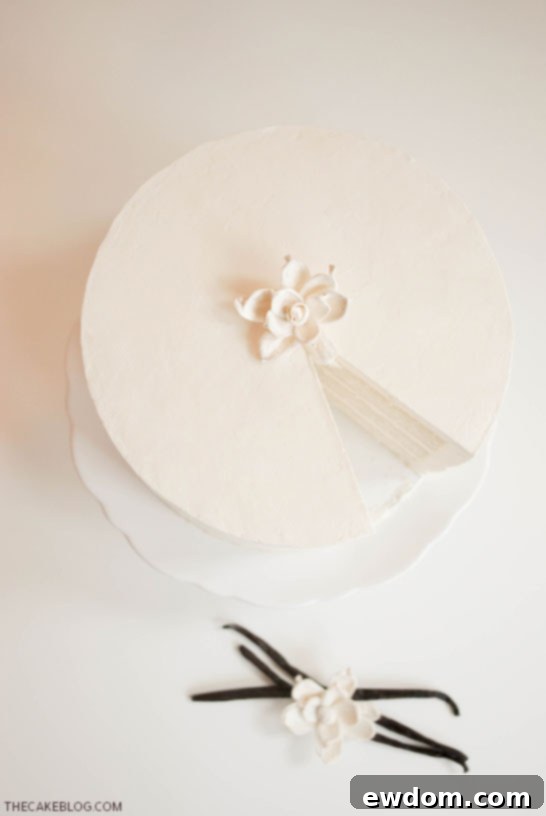
Rediscovering the Magic: My Classic Vanilla Cake Love Story & The Ultimate Recipe
Every baker, amateur or expert, often has that one foundational flavor, that quintessential recipe that first ignited their passion for the craft. For me, that undeniable spark has always been vanilla. Not just any vanilla, mind you, but the truly perfect, incredibly moist, and wonderfully fluffy classic vanilla cake. Today’s post is much more than a mere collection of ingredients and instructions; it’s a heartfelt narrative, a two-part journey blending a deeply personal love story with the intricate art of baking. It’s a culinary romance that blossomed years ago, a somewhat clandestine affair that began right in the midst of my high school days.
You see, my family belonged to a strict culinary dynasty: the chocolate cake family. Birthdays, anniversaries, graduations—every single celebration, big or small, unequivocally mandated the rich, dark, comforting, and utterly non-negotiable presence of chocolate cake. It was a tradition deeply etched into our family’s fabric, a delicious rite of passage, a testament to what we believed was the timeless, undisputed king of desserts. Chocolate cake, always and forever, a symbol of consistent joy. But deep within, a quiet, sweet rebellion began to stir. I met vanilla, and my perception of what a perfect dessert could be was irrevocably transformed.
The Sweet Genesis of a Lifelong Culinary Affair
I vividly recall one particular birthday, mustering every ounce of my youthful courage to suggest, rather than demand, a vanilla cake. To this day, I’m not entirely sure if my mother genuinely didn’t hear my subtle request or simply dismissed it as a fleeting whim, a playful, youthful jest. But when it came time to blow out the candles, and the first ceremonial slice was cut, the familiar, dark, and utterly predictable interior of our traditional chocolate cake greeted us. My vanilla dream remained just that—a dream, a whispered desire yet to be realized. It wasn’t until I truly took the reins, stepping into the kitchen to bake my own birthday cakes, that I was finally, gloriously united with my true culinary love. Ah, the sheer, unadulterated joy of biting into a perfectly baked homemade vanilla cake!
For countless years that followed, vanilla reigned supreme as my undisputed favorite flavor. Simple, elegant, and unfailingly delightful, it served as the pristine canvas upon which countless baking adventures were painted. We navigated the entire spectrum of the baking world together: from those tentative, slightly embarrassing early days where a humble box mix (gasp!) was my trusty sidekick, through hundreds of bespoke cakes meticulously crafted for cherished customers, and now, into the vibrant and dynamic world of food blogging. Vanilla has been my steadfast companion through fleeting fads, through unfortunate “cake wrecks” and triumphant “cake crushes,” through the trials of new ovens, and even the strictures of occasional diets. It has proven itself a reliable comfort, a source of consistent pleasure, and an unwavering presence in my baking journey.
When Even True Love Needs a Spark: The Rut of Routine
Yet, as with any enduring relationship, even the sweetest and most profound love affair can, at times, experience a period of staleness. Perhaps it’s the inevitable consequence of having too much of a good thing, or perhaps I’ve simply, and regretfully, started to take my beloved vanilla cake for granted after all these years of shared history. What once felt exhilarating, creatively stimulating, and profoundly satisfying now, occasionally, seems… routine. Just another vanilla cake. The initial thrill, the exciting novelty, the sheer anticipation of its creation, has subtly diminished, leaving behind a comfortable, yet sometimes uninspired, familiarity. It has, for lack of a more nuanced term, become very vanilla.
This sentiment, I’ve come to realize, isn’t unique to my personal baking journey. Many passionate bakers, much like myself, eventually find themselves in a similar rut with their go-to, perfected recipes. We master a dish, recreate it countless times for friends, family, and clients, and then, without warning, that initial creative spark begins to dim. The exhilarating joy of culinary discovery gradually gives way to the comfortable, albeit less exciting, ease of execution. It’s a perfectly natural progression, a common phase in any creative pursuit. However, it absolutely does not signify that the love is lost; it merely suggests that the passion requires a little intentional nurturing, a gentle nudge, a conscious effort to guide it back to its former, glorious brilliance. The pressing question then emerges: what’s a devoted baker to do when her cherished culinary muse feels dormant and uninspired?
Rekindling the Flame: A Week Dedicated to Vanilla’s Versatility
Turning my back on vanilla cake, my first true baking love, is simply not an option. Not after all the shared memories, the countless baking triumphs, the lessons learned from minor mishaps, and the sheer, consistent deliciousness we’ve created together over the years. At its very core, it remains as delightfully comforting and profoundly satisfying as the day we first met. Much like any cherished relationship navigating a rough patch, I firmly believe we simply need to inject a little excitement, to consciously “spice things up” a bit. And so, with a renewed sense of purpose, I’ve officially declared the remainder of my week a dedicated, immersive ode to vanilla cake. This isn’t merely about following a recipe; it’s about intentional quality time, a deep and thoughtful dive into vanilla’s boundless potential. It’s just me and my beloved vanilla cake, exploring new dimensions, mixing up techniques, and adding a whole lot of creative heat!
My ultimate hope is to fully rekindle that original, intoxicating magic, to rediscover the subtle nuances and profound depths that made me fall head over heels for this timeless flavor in the first place. Beyond that, I aim to forge entirely new, exciting connections with vanilla, pushing its boundaries and celebrating its incredible versatility. In the spirit of both celebration and eager anticipation, I am thrilled to share with you today the foundational recipe that truly started it all: my absolute favorite Classic Vanilla Cake recipe. This is the bedrock, the perfect starting point for any vanilla enthusiast seeking to bake the best, most fluffy vanilla cake. And mark your calendars, because with a little experimentation, a lot of passion, and perhaps a dash of unexpected flair, I’m hoping to unveil a spicier, zestier, and utterly captivating new vanilla cake version for you all next week!
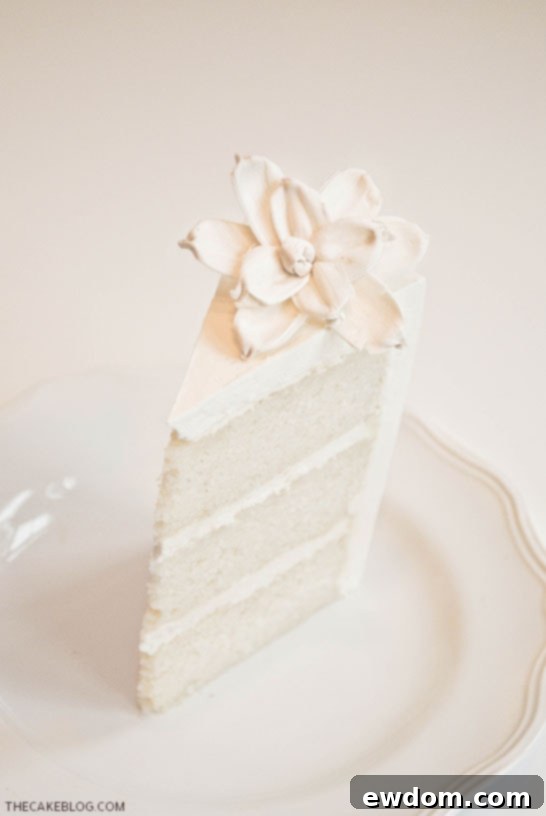
Mastering the Classic Vanilla Cake: A Recipe for Unforgettable Perfection
This classic vanilla cake recipe is far more than just a list of ingredients; it’s a meticulous guide to crafting a truly memorable and exceptional dessert. Revered for its incredibly moist crumb, its delicately tender texture, and its perfectly balanced, rich vanilla flavor, it serves as the quintessential foundation for virtually any celebration, big or small. When expertly paired with a luscious, ethereal Swiss Meringue Buttercream, this simple cake transforms into an elegant, show-stopping masterpiece that, surprisingly, remains wonderfully approachable for passionate home bakers. So, roll up your sleeves, gather your tools, and let’s embark on this delicious baking adventure!
CLASSIC VANILLA CAKE
A timeless recipe meticulously perfected by Carrie Sellman
Essential Ingredients for the Perfect Classic Vanilla Cake:
- 1 1/2 cups (3 sticks or 340g) unsalted butter, softened to true room temperature (This is critical for proper creaming and emulsification, ensuring a light texture.)
- 2 3/4 cups (550g) granulated sugar (Provides essential sweetness and contributes significantly to the cake’s desirable moistness.)
- 9 large egg whites, separated and brought to room temperature (Key for achieving that characteristic light, fluffy, and beautifully white cake crumb.)
- 4 1/2 cups (540g) cake flour, meticulously sifted twice then carefully measured (Absolutely essential for a tender, delicate crumb; resist the urge to substitute with all-purpose flour without proper adjustments.)
- 2 tablespoons baking powder (The primary leavening agent responsible for giving the cake a magnificent and even rise.)
- 1 1/2 teaspoons fine salt (Crucial for balancing the sweetness and profoundly enhancing the overall flavor profile of the cake.)
- 2 1/4 cups (540ml) buttermilk (Adds unparalleled moisture, enhances tenderness, and introduces a subtle tang that reacts perfectly with the baking powder.)
- 1 1/2 tablespoons vanilla bean paste (For an intense, aromatic vanilla flavor and beautiful visible specks; high-quality pure vanilla extract is an acceptable, though less visually striking, substitute.)
Step-by-Step Instructions for Baking the Best Vanilla Cake:
- Pan Preparation Perfection: Begin by preheating your oven precisely to 350°F (175°C). Meticulously prepare three 8-inch round cake pans by generously greasing them with butter, lining the bottoms with perfectly cut circles of parchment paper, and then lightly flouring the sides. This diligent preparation is paramount for ensuring easy release and beautifully shaped, intact cake layers.
- Harmonize Dry Ingredients: In a medium-sized mixing bowl, meticulously sift together the cake flour, baking powder, and salt. Sifting twice before measuring the flour, and then once more at this stage, guarantees all dry ingredients are uniformly distributed and thoroughly aerated, which is vital for a light and tender cake structure. Set this perfectly combined mixture aside.
- Infuse Buttermilk with Vanilla: In a separate small bowl or liquid measuring cup, thoroughly stir the vanilla bean paste into the buttermilk. This simple step ensures that the rich vanilla flavor is evenly dispersed throughout the liquid before it’s incorporated into the batter. Set this fragrant mixture aside.
- Cream Butter and Sugar to Fluffy Perfection: In the spacious bowl of a stand mixer fitted with the paddle attachment, beat the softened unsalted butter and granulated sugar on a medium-high speed. Continue to cream this mixture until it becomes visibly pale, incredibly light, and remarkably fluffy, a process that typically requires about 5 to 7 minutes. This crucial step is essential for incorporating sufficient air, which contributes significantly to the cake’s tender crumb and structure.
- Gentle Incorporation of Egg Whites: With the mixer speed reduced to low, gradually add the egg whites, introducing them one at a time. Ensure you mix thoroughly after each individual egg white addition, taking care to scrape down the sides of the bowl as needed to ensure everything is well combined. The mixture might appear slightly curdled or separated at this stage, but rest assured, this is perfectly normal and it will come together as you proceed.
- First Dry Addition: Begin the alternation process by adding precisely one-third of your prepared dry flour mixture to the butter-sugar-egg white mixture. Mix on low speed just until the dry ingredients are barely combined and no longer visible. It is imperative not to overmix at this stage.
- First Wet Addition & Continued Alternation: Next, add one-half of your buttermilk-vanilla mixture, mixing gently until it is just incorporated. Continue this alternating pattern: add another third of the dry ingredients, mix briefly, then the remaining half of the wet ingredients, mix, and finally, the last third of the dry ingredients. Mix very gently and sparingly, just until no streaks of flour remain visible. The absolute key here is to avoid overmixing at all costs, as excessive mixing develops gluten, which can lead to a tough and chewy cake texture.
- Bake to Golden Perfection: Evenly divide the perfectly mixed batter between your three meticulously prepared 8-inch cake pans. Bake for 30-33 minutes. For even browning and consistent baking, rotate the pans once halfway through the baking process. The cake is perfectly done when a wooden toothpick inserted into the center emerges clean or with only a few moist crumbs clinging to it.
- Cooling & Optimal Storage: Allow the baked cakes to cool in their pans on a wire rack for 10-20 minutes. This essential resting period allows the cake structure to firm up slightly before being handled. Carefully invert the cakes onto the wire rack to cool completely. It is crucial that the cake layers are entirely cool before you attempt to frost or wrap them. If you are not assembling the cake immediately, wrap the cooled cake layers tightly in plastic wrap to prevent them from drying out, and refrigerate overnight, or freeze for longer-term storage.
For the Silky, Stable Swiss Meringue Buttercream:
This exquisite frosting is an absolute dream to work with: unbelievably silky smooth, significantly less sweet than traditional American buttercream, and remarkably stable. Its elegant texture and balanced flavor make it the quintessential complement to our rich and tender moist vanilla cake.
- 2 cups (4 sticks or 450g) unsalted butter, softened to true room temperature, and cut into individual tablespoons (Ensures smooth incorporation).
- 5 large egg whites, separated and brought to room temperature (Essential for proper meringue formation).
- 1 1/4 cups (250g) granulated sugar (Provides structure and sweetness to the meringue).
- 1/4 teaspoon fine salt (Balances sweetness and enhances flavor).
- 2 teaspoons pure vanilla extract (Or an equal amount of vanilla bean paste for an even richer flavor and visual appeal).
Instructions for Crafting Swiss Meringue Buttercream:
- Prepare the Meringue Base: In the meticulously clean and dry bowl of your stand mixer (any trace of grease can prevent the meringue from whipping correctly!), combine the egg whites, granulated sugar, and salt. Place this bowl directly over a saucepan of simmering water (creating a double boiler setup), ensuring that the bottom of the mixer bowl does not make contact with the simmering water. Whisk this mixture continuously and vigorously until it registers 160°F (71°C) on a reliable candy thermometer, and all the sugar crystals have completely dissolved. The mixture should feel perfectly smooth and free of grittiness when rubbed between your fingers. This crucial pasteurization step ensures both safety and the optimal texture for your meringue.
- Whip the Meringue to Stiff Peaks: Immediately remove the bowl from the heat and attach it to your stand mixer, fitted with the whisk attachment. Starting on low speed, gradually increase the speed to medium-high. Whisk continuously until stiff, glossy peaks form and the meringue is thick, incredibly fluffy, and has cooled completely. This vigorous whisking process typically takes approximately 10-15 minutes. It is vital that the bowl no longer feels warm to the touch before proceeding to the next step. Patience here is absolutely key to achieving a stable meringue.
- Expertly Incorporate Butter: Switch from the whisk attachment to the paddle attachment. With the mixer set to medium speed, begin adding the room temperature unsalted butter, one tablespoon at a time. Only add a new tablespoon after the previous one has been fully and completely incorporated into the meringue. The mixture might initially appear to curdle, look soupy, or even separate—do not panic! This is a completely normal phase in the process. Continue mixing with unwavering patience. It will eventually, almost miraculously, transform into a perfectly smooth, silky, and unbelievably luscious buttercream. This emulsification process can take anywhere from 10 to 15 minutes of continuous mixing.
- Final Flavor & Polish: Once the buttercream has achieved its smooth, cohesive, and luxurious texture, add the pure vanilla extract (or vanilla bean paste) and mix until it is just well combined throughout. Finally, scrape down the sides and bottom of the bowl and mix one last time on low speed for a minute or two to eliminate any lingering air bubbles, resulting in an impeccably smooth finish.
Expert Troubleshooting Tips for Swiss Meringue Buttercream:
- If Your Icing Looks Curdled or Broken: This is a very common occurrence and rarely a cause for alarm. If your buttercream appears curdled, lumpy, or broken, simply continue mixing it! The butter and meringue just require more time and agitation to properly emulsify. Keep beating on medium speed, and with a little patience, it will miraculously transform back into that desired silky smooth texture.
- If Your Buttercream is Too Runny or Soupy: This issue often arises if the butter was too warm, or if the meringue itself wasn’t cooled sufficiently before the butter was added. To remedy this, simply place the entire mixer bowl (with the buttercream still inside) into the refrigerator for approximately 10-15 minutes to chill slightly. Afterwards, return it to the mixer and beat again on medium speed until it firms up and achieves its characteristic smooth, stable consistency.
Now that you possess the knowledge and the perfect recipes for this incredible best vanilla cake and a dreamy Swiss Meringue Buttercream, you are more than ready to assemble a masterpiece. This cake is absolutely divine served as is, but you can also elevate it further by adding fresh fruit fillings, tangy lemon curd, or a rich chocolate ganache between the layers for an extra touch of indulgence.
The Culinary Journey Continues: What’s Next for Vanilla?
As I dedicate the next few days to intentionally rekindling my profound passion for vanilla, diving deep into its potential and exploring new dimensions of flavor, I wholeheartedly invite you to embark on your own delightful baking adventure with this truly outstanding homemade vanilla cake recipe. Wish me abundant cake luck over the next few days as I experiment with exciting new twists, unexpected pairings, and inspiring flavor profiles. Here’s hoping I’ll have a truly zesty, innovatively inspiring, and utterly delectable new vanilla cake recipe to enthusiastically share with you all next week!
Kraft Italian Dressing is meticulously crafted with one primary goal in mind: to tantalize your tastebuds with its vibrant, refreshing, and exquisitely balanced flavor. At Kraft, we are perpetually on the lookout for innovative and delightful ways to help you elevate your culinary creations and amplify your inherent zest appeal, both in the kitchen and throughout your everyday life. Are you intrigued by what you see and eager to discover more? We encourage you to visit getmezesty.com, where our charming ‘Zesty Guy’ is ready to inspire you with even more creative ideas and ingenious tips to effortlessly infuse a little extra zest into your every meal and moment.
Disclosure: Compensation was generously provided by Kraft via Glam Media. It is important to note that the opinions and culinary experiences expressed herein are exclusively those of the author and are not necessarily indicative of the opinions or positions held by Kraft.