Welcome to a truly enchanting journey into the world of edible cake decorations! This detailed tutorial will guide you through crafting exquisite chocolate poinsettia flowers using simple candy melts and a common kitchen knife. Prepare to elevate your holiday baking and impress with these stunning, delicious adornments. This masterful technique is brought to you by our talented contributor, Erin Gardner.
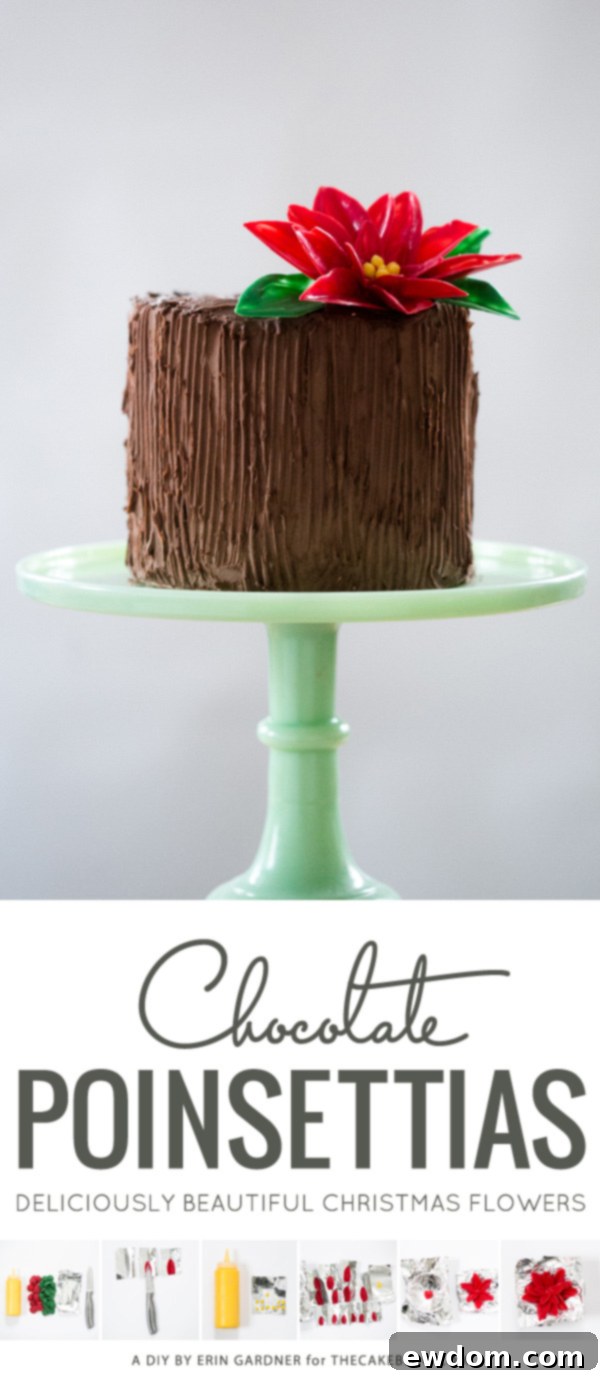
Mastering Edible Chocolate Poinsettias: A Step-by-Step Guide for Stunning Cake Decorations
For many bakers and decorators, the creation of beautiful flowers is the ultimate joy in cake decorating. Whether fashioned from fondant, sugar paste, or chocolate, edible blooms add an unparalleled touch of elegance and personalization. Lately, the art of crafting chocolate flowers has captured my particular interest. These delightful creations are not only visually captivating but are also entirely edible and incredibly delicious! Unlike their gum paste counterparts, which are often admired but left uneaten, chocolate flowers offer a truly delightful experience from first glance to last bite. This makes them perfectly suited for enhancing buttercream-finished cakes, adorning cupcakes, or adding a festive flourish to any dessert centerpiece.
The Classic Technique Reimagined: Crafting Poinsettias with Chocolate
The method we’ll be exploring to create these festive chocolate poinsettias is rooted in a very classic pastry technique, though it’s surprisingly underutilized in general cake decorating circles. For this specific tutorial, we’ve opted to use candy melts due to their remarkable ease of use and the vibrant, consistent colors they provide. However, for those who prefer working with real chocolate, the exact same technique can be achieved with expertly tempered white chocolate. Simply tint your white chocolate with colored cocoa butters or oil-based candy colors to achieve the desired hues. The choice ultimately rests on your personal comfort level with the tempering process and the availability of ingredients in your area. Both options yield stunning results, allowing you to create impressive edible poinsettias with confidence.
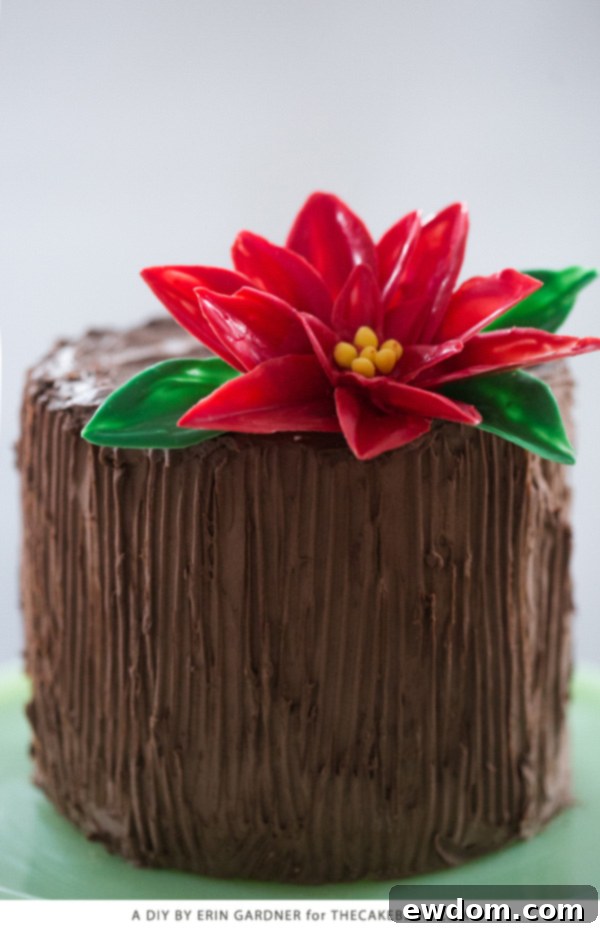
Understanding the Poinsettia: Bracts, Flowers, and Leaves
Before we dive into the creative process, let’s take a quick moment to understand the unique anatomy of the poinsettia flower. This will help prevent any confusion as we proceed with our chocolate crafting. What you might intuitively identify as the red “petals” are, botanically speaking, not petals at all. These striking red structures are actually called bracts—modified leaves that surround the plant’s true flowers. The actual flowers are the small, often inconspicuous, yellow centers you’ll find nestled within these brilliant bracts. Thankfully, the green parts are simply called leaves, keeping at least one element straightforward! Now that our brief botany lesson is complete, let’s get ready to play with chocolate and bring these beautiful holiday blooms to life.
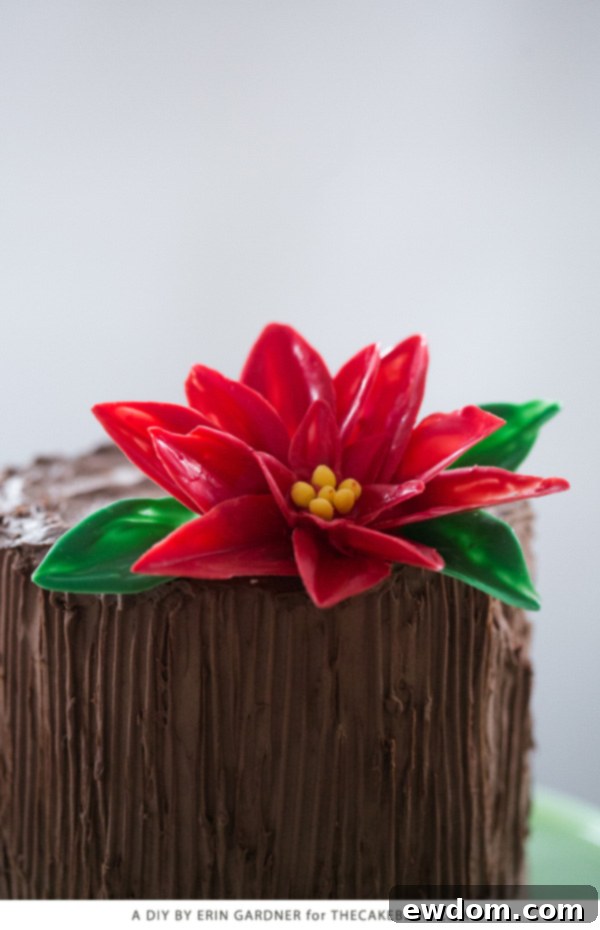
CHOCOLATE POINSETTIAS: A Comprehensive Tutorial
By Erin Gardner
Essential Supplies for Your Chocolate Poinsettia Project
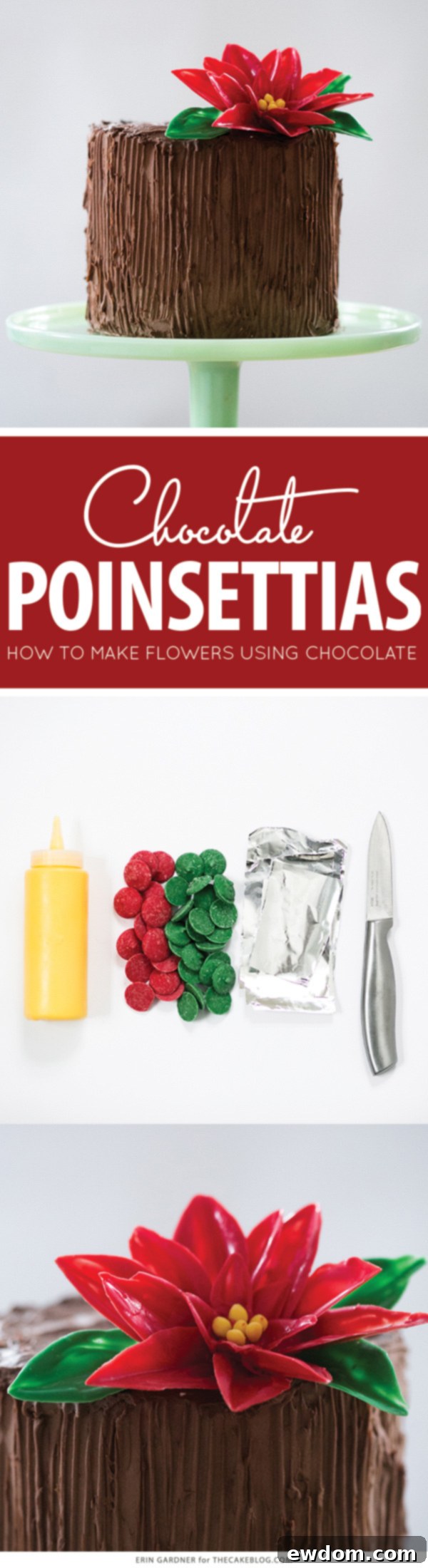
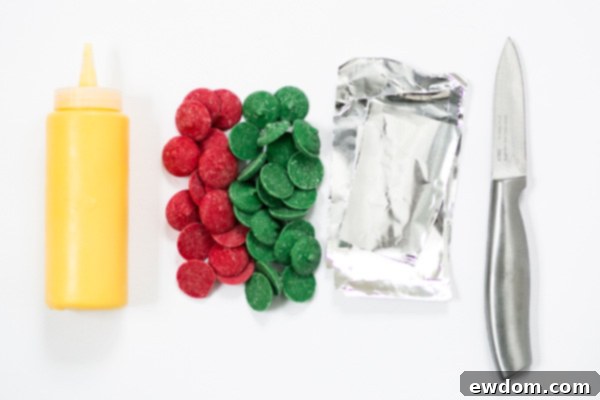
Gathering all your supplies before you begin will ensure a smooth and enjoyable decorating experience. Here’s everything you’ll need to create your stunning edible poinsettias:
- Small, Sharp Knife: A paring knife or a small offset spatula with a flat blade works best for shaping the petals.
- Heavy Duty Aluminum Foil: Essential for creating your chocolate components and assembly structure.
- Scissors: For cutting the foil into manageable strips and pieces.
- Candy Melts or Coating Chocolate:
- Red (approximately 1 cup) – for the vibrant bracts.
- Green (approximately 1 cup) – for the leaves.
- Yellow (approximately 1 cup) – for the delicate flower centers.
- We recommend high-quality candy melts for ease of use and vibrant color. If using real chocolate, ensure it is properly tempered and tinted with oil-based colors or cocoa butters.
- Small Plastic Bowls: Several small, microwave-safe bowls for melting and holding different colors of chocolate.
- Spoons: For stirring your melted chocolate and helping with placement.
- Squeeze Bottle or Piping Bag: With a small round tip, for piping precise dots for the flower centers and for dispensing melted chocolate during assembly.
Step-by-Step Guide: Crafting Your Chocolate Poinsettia Elements
Part 1: Preparing the Bracts, Leaves & Flowers
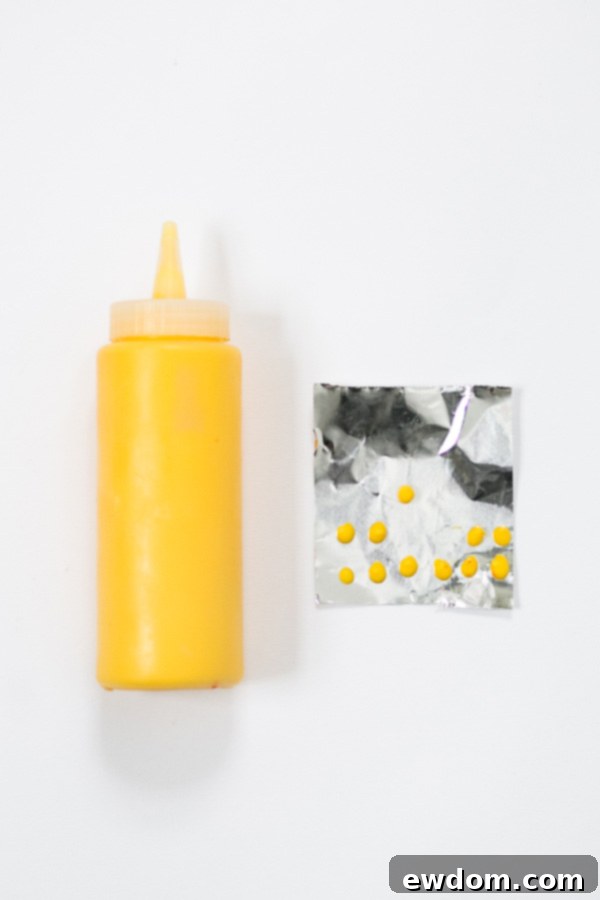
1. Creating the Delicate Yellow Flower Centers
- Begin by tearing off a small piece of aluminum foil, roughly 4×4 inches, to use as a non-stick surface.
- Melt your yellow candy melts in a small plastic bowl. For candy melts or coating chocolate, melt according to package directions until smooth and fluid. If you are using real chocolate, it is crucial to temper it correctly before proceeding to ensure a stable, glossy finish that snaps cleanly. Once melted, transfer the chocolate into a squeeze bottle or a piping bag fitted with a small round tip.
- Carefully pipe approximately 10 pea-sized dots onto the prepared aluminum foil. Aim for uniformity in size.
- Set these dots aside and allow them to dry completely. This might take 10-15 minutes depending on your chocolate and room temperature.
- Once fully dry and firm, take two dots and sandwich them together with a tiny dab of additional melted yellow chocolate. Repeat this process until you have 5 completed flower centers, each composed of two fused dots. These will add a beautiful, realistic touch to your poinsettias.
2. Forming the Vibrant Red Bracts and Lush Green Leaves
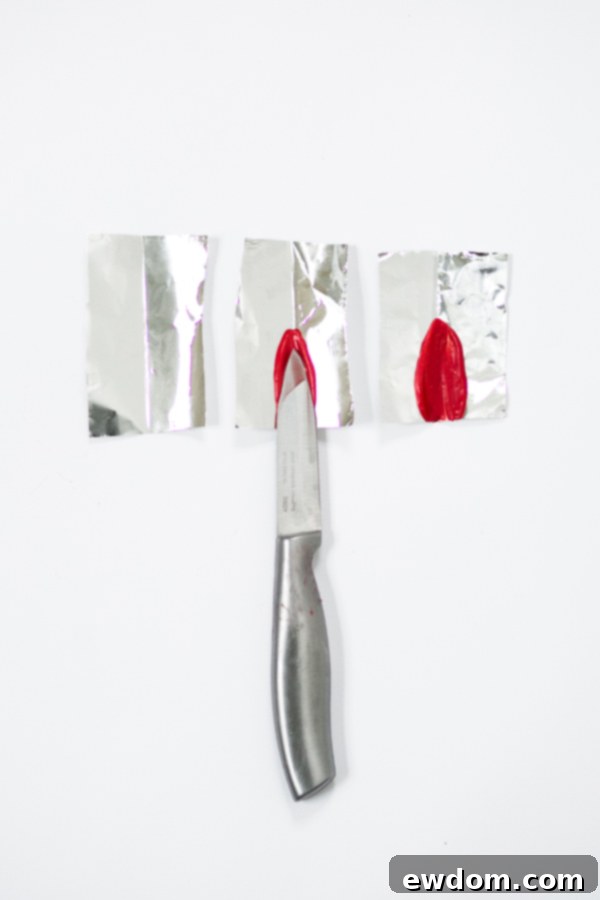
- Prepare your foil pieces: Tear off several strips of aluminum foil, each approximately 2 to 3 inches wide. Cut these strips into individual pieces, roughly 3 inches long. For each piece, fold it in half lengthwise and then gently open it back up. This crease will serve as a guide for shaping your bracts.
- Melt the red candy melts in a separate small plastic bowl until smooth and liquid.
- Take your small knife or offset spatula. Dip the flat side of the knife into the melted red chocolate, ensuring about 2 1/2 inches of the blade is evenly coated.
- Carefully lay the coated side of the knife against one of your prepared foil pieces. Position the tip of the knife directly over the folded line you created earlier.
- With a smooth, deliberate motion, pull the knife away, smearing the chocolate onto the foil. The goal is to create a distinct, petal-like shape. Don’t hesitate to go back in to add a bit more chocolate, or gently rock the knife back and forth to refine the shape and achieve the characteristic poinsettia bract form.
- Once satisfied with the shape, gently set the bract aside on a flat surface to dry completely. Continue this process, making enough bracts for your desired poinsettias.
- For the smaller, inner bracts, repeat the same technique, but only dip about an inch of your knife blade into the chocolate. This will result in daintier, more delicate shapes perfect for the center of the flower.
- To create the green leaves, follow the exact same process as for the larger red bracts, but use your melted green chocolate.
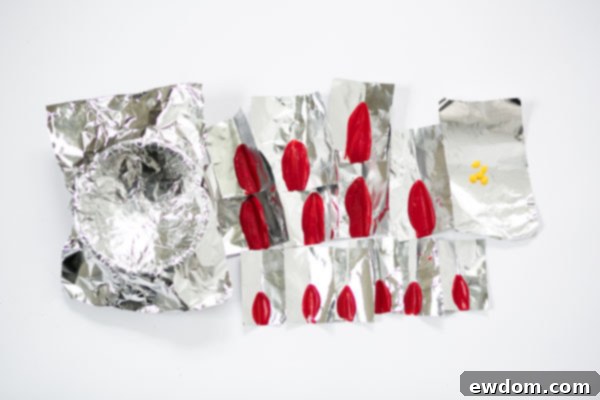
Pro Tip: I found that using a total of 11 large red bracts, 5 smaller red bracts, three green leaves, and 5 yellow flower centers creates a beautifully full and balanced poinsettia. Feel free to adjust these quantities based on the size and fullness you desire for your individual flowers.
Step-by-Step Guide: Assembling Your Stunning Chocolate Poinsettia
Part 2: Assembling Your Poinsettia Masterpiece
1. Preparing Your Assembly Station
- Tear off a piece of aluminum foil approximately 6 inches wide.
- Gently lay this piece of foil over the top of a small bowl, pressing it down slightly to create a shallow cup shape. This foil cup will be your temporary mold for assembling the poinsettia, helping it hold its three-dimensional form as it dries.
- Consider the depth of your cup: a shallower cup will result in a more open, flattened poinsettia, while a deeper cup will yield a more closed, bud-like flower. Adjust based on your desired final look.
2. Building the Outer Layer of Bracts
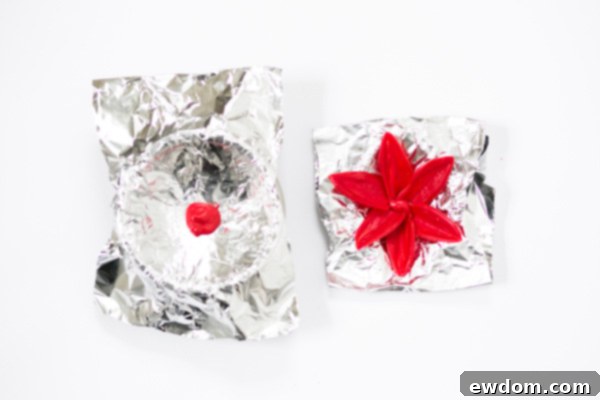
- Pipe or spoon a small puddle of melted red chocolate into the very center of your foil cup. This will act as the “glue” for your initial layer of bracts.
- Carefully take one of your large, dried red bracts. Dip the flat, wider end into the puddle of melted chocolate.
- Place this bract into the chocolate puddle in the foil cup. Repeat this with five more large bracts, arranging them evenly around the center puddle. Slightly overlap the edges of each bract as you place them to create a natural, full appearance. Ensure that each bract makes good contact with the melted chocolate to secure it firmly.
3. Adding Inner Bracts and Achieving Fullness
- Once the first layer of large bracts is in place, pipe or spoon another small puddle of melted red chocolate onto the very center of your newly formed flower base. This will secure the next layer.
- Now, arrange your smaller red bracts on top of the larger bracts, following the same overlapping pattern. Place them slightly inward to create depth and a layered effect.
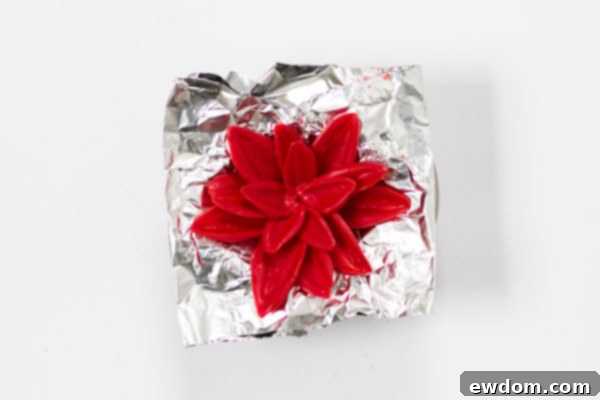
- If you desire an even fuller, more lush flower, you can add additional bracts at this stage. Simply dip the flat end of a dried bract into some melted red chocolate and carefully slide it into place among the existing layers, ensuring the melted chocolate makes good contact to “glue” it securely.
4. Placing the Yellow Flower Centers
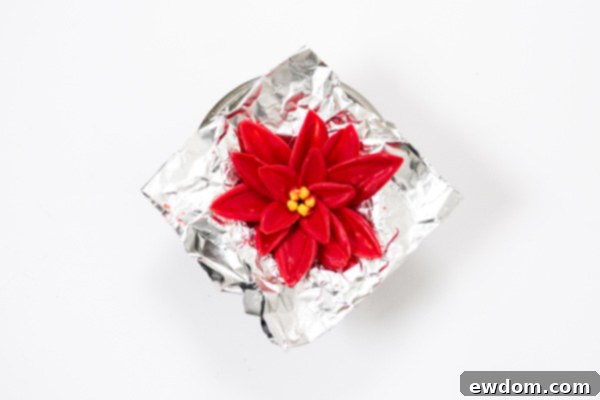
- To complete the realistic look of your poinsettia, pipe or pour a dime-sized amount of melted red chocolate (or even yellow, if preferred) into the very center of the assembled bracts. This will serve as the base for the tiny flower centers.
- Carefully drop your prepared yellow flower centers into this melted chocolate puddle, arranging them attractively in the very middle of the poinsettia.
5. Drying and Demolding Your Chocolate Poinsettia
- Set your finished chocolate poinsettia aside in the foil cup until it is completely dry and firm. This is crucial for easy removal and to maintain its shape. Depending on humidity and chocolate type, this could take 30 minutes to a couple of hours.
- Once fully dry, carefully lift the foil cup from the small bowl.
- Place one hand gently under the flower to steady it, providing support.
- With your other hand, carefully and slowly peel back the aluminum foil from around the chocolate poinsettia. The foil should release easily from the dried chocolate.
Displaying and Storing Your Edible Chocolate Poinsettias
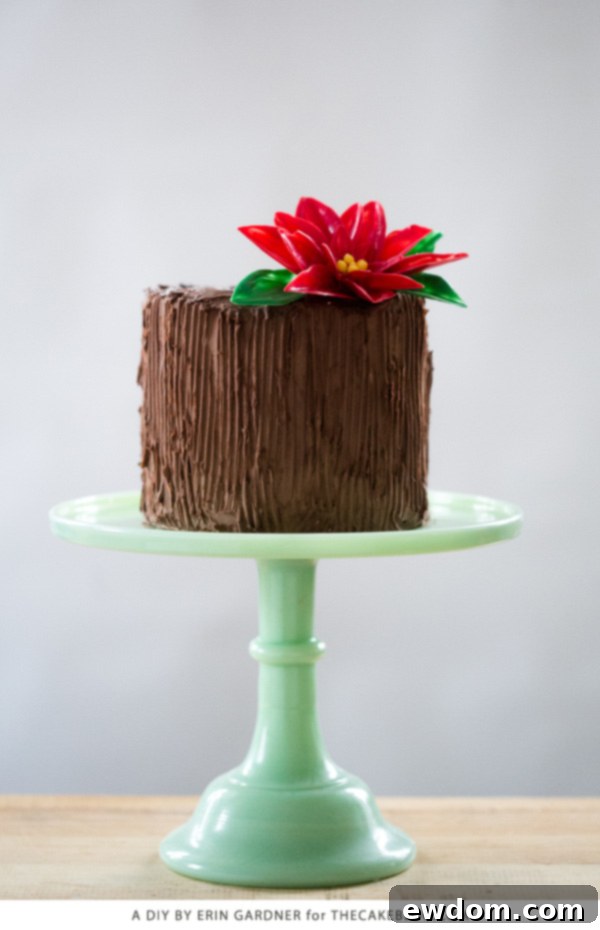
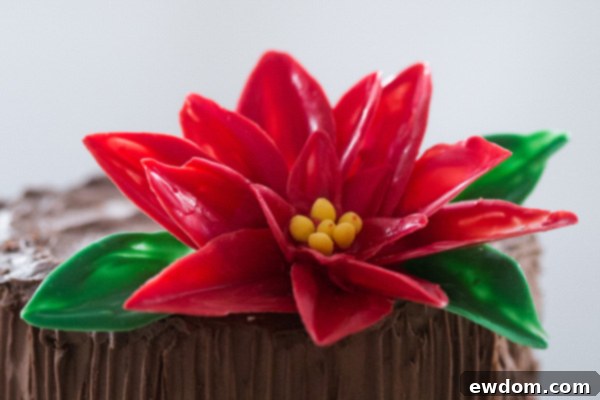
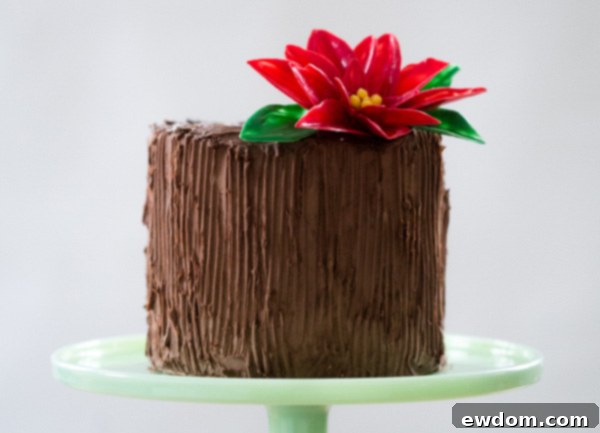
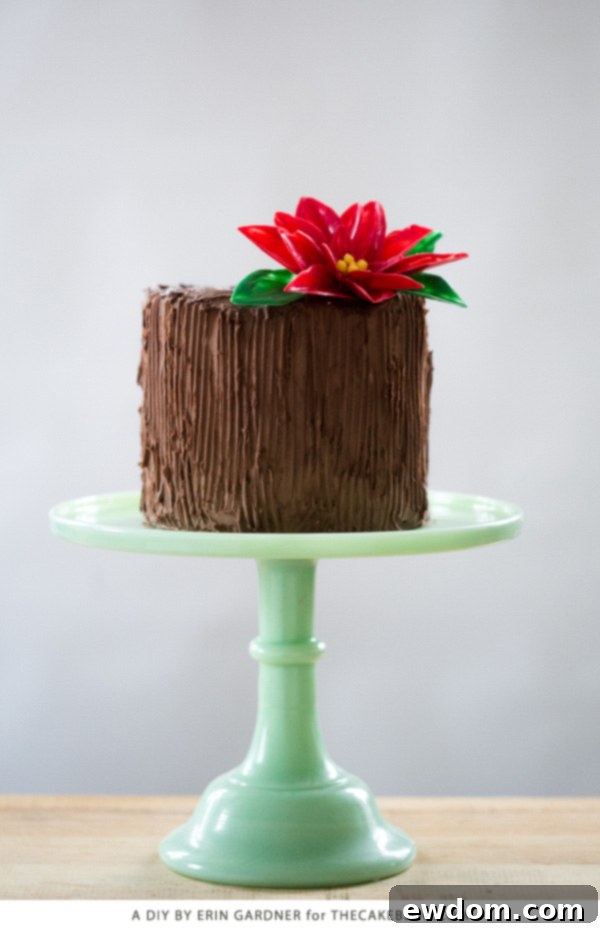
Once your exquisite chocolate poinsettia is complete and fully set, it’s ready to adorn your desserts! Place your beautiful flower onto a freshly iced cake, arrangement of cupcakes, or any other sweet treat you wish to embellish. Arrange your green leaves around the base of the flower as desired, securing them with a tiny dot of melted chocolate if necessary.
If you are decorating a fondant-finished cake, use a small amount of melted chocolate as an edible adhesive to securely attach your flower. The melted chocolate will bond perfectly with both the chocolate flower and the fondant surface.
One of the many advantages of chocolate flowers is their impressive durability and ease of storage. Chocolate poinsettias can be made well in advance of your event, reducing last-minute stress. They are best stored in an airtight container at room temperature, away from direct sunlight or extreme temperature fluctuations. Proper storage will ensure they remain fresh, firm, and ready to dazzle on your holiday table.
Tips for Success and Troubleshooting Your Chocolate Flowers
- Chocolate Consistency is Key: Ensure your chocolate is melted smoothly and is free of lumps. If using candy melts, overheating can make them seize; microwave in short bursts, stirring frequently.
- Working with Tempered Chocolate: If using real chocolate, accurate tempering is vital. Improperly tempered chocolate will result in dull, streaky, or soft flowers. Invest in a good thermometer and understand your tempering method.
- Drying Time: Patience is a virtue! Allow each component to dry completely before handling or assembling. Rushing this step can lead to breakage or smudged details.
- Handling: Chocolate flowers can be delicate. Handle them gently, especially when demolding and placing them on your cake.
- Variations: Experiment with different color combinations to create unique poinsettias. You could even use white chocolate tinted with food-safe glitter or luster dust for an extra festive sparkle. Consider using the same knife technique to create other types of “petals” for different chocolate flowers!
- Temperature Control: Work in a cool, dry environment if possible. High humidity or warm room temperatures can make chocolate sticky and difficult to work with.
Elevate Your Holiday Baking with Edible Art
Creating these chocolate poinsettias is more than just a cake decorating technique; it’s an opportunity to create edible art that brings joy and beauty to any celebration. The satisfaction of crafting these delicate, delicious flowers and seeing them adorn your holiday desserts is truly rewarding. Whether you’re a seasoned baker or just starting out, this tutorial provides all the guidance you need to create stunning, professional-looking decorations. We encourage you to try this delightful technique and add a touch of handcrafted elegance to your next holiday gathering. Happy decorating!
More Holiday Inspiration from The Cake Blog:
If you loved creating these chocolate poinsettias, be sure to explore more festive ideas from The Cake Blog. These tutorials and recipes are perfect for expanding your holiday baking repertoire:
- Candy Snowflakes: Create delicate, shimmering snowflakes to add winter magic to your cakes.
- Gift Box Cake: Learn how to transform a simple cake into an elegant, wrapped gift.
- Birch Log Cake: A rustic yet refined dessert, perfect for a cozy winter celebration.
- Winter Hat Cake: Design an adorable edible winter hat, complete with cozy textures.
- Christmas Cupcake Wreath: A creative and delicious way to display your holiday cupcakes.
Discover all our festive holiday recipes and captivating tutorials in our comprehensive Christmas Gallery!