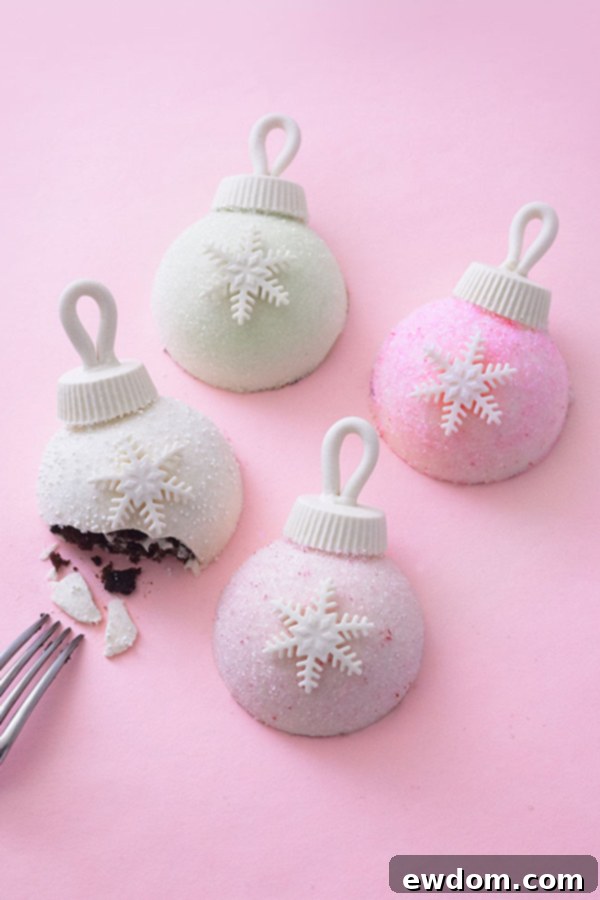
Sparkling Christmas Ornament Cakes: A Dazzling Holiday Dessert Tutorial by Cakegirls
Prepare to infuse your holiday celebrations with an extra touch of sparkle and charm! This comprehensive, step-by-step tutorial, brought to you by our incredibly talented contributors, Mary and Brenda Maher of Cakegirls, will guide you through creating these absolutely enchanting mini ornament cakes. Perfect for festive gatherings, these individual desserts are not just visually stunning but also surprisingly simple to master, making them an ideal project for bakers of all skill levels looking to add a unique, edible decoration to their Christmas spread.
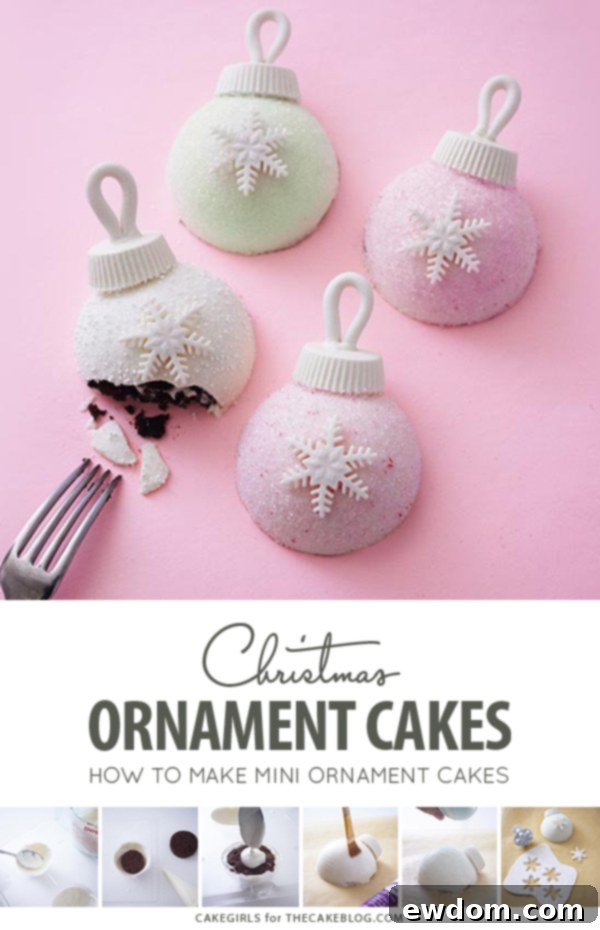
The Allure of Individual Christmas Cakes
The holiday season calls for something truly special, a time when every detail counts and a little extra effort goes a long way. When it comes to desserts, individual portions elevate the experience, making each guest feel incredibly cherished. These gorgeous sparkly Christmas Ornament Cakes epitomize this philosophy. While their intricate appearance might suggest a complex baking endeavor, they are, in fact, remarkably straightforward to create, offering a delightful surprise to those who think they require advanced pastry skills.
One of the most appealing aspects of these festive treats is their immense versatility. Whether you prefer a classic Christmas palette of vibrant reds and deep greens or a modern, whimsical pastel collection, these mini ornament cakes can be customized to perfectly match your holiday theme. Beyond color, the decorative possibilities are endless. Imagine piping each guest’s initial or name, adding intricate edible glitter patterns, or incorporating various sprinkles for a truly personalized touch. This adaptability ensures that your Christmas Ornament Cakes will be a unique reflection of your personal style and holiday spirit.
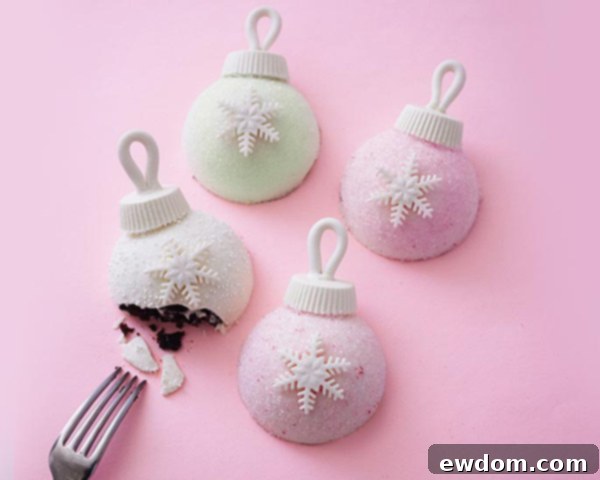
Beyond their charming exterior, the quality of the cake within is paramount. For an unparalleled taste experience, we highly recommend opting for a homemade cake. A rich, decadent chocolate truffle cake, for instance, provides a luxurious foundation that beautifully contrasts with the sweetness of the outer candy coating. To achieve a balanced flavor profile, pair such an indulgent cake with a buttercream that offers a subtle sweetness. A smooth, silky Swiss meringue buttercream is an excellent choice, providing a light, complementary creaminess that enhances, rather than overwhelms, the overall dessert.
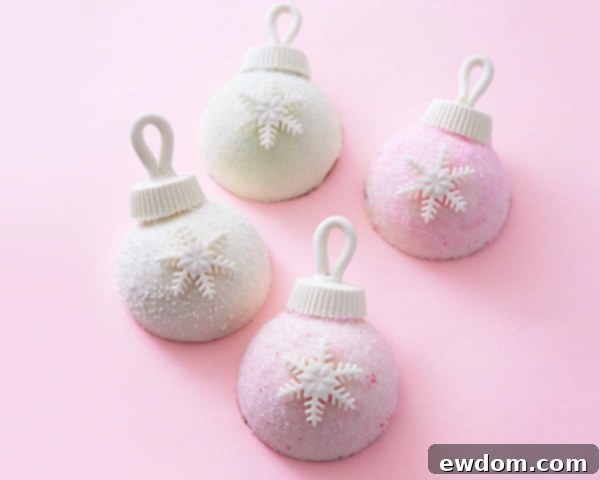
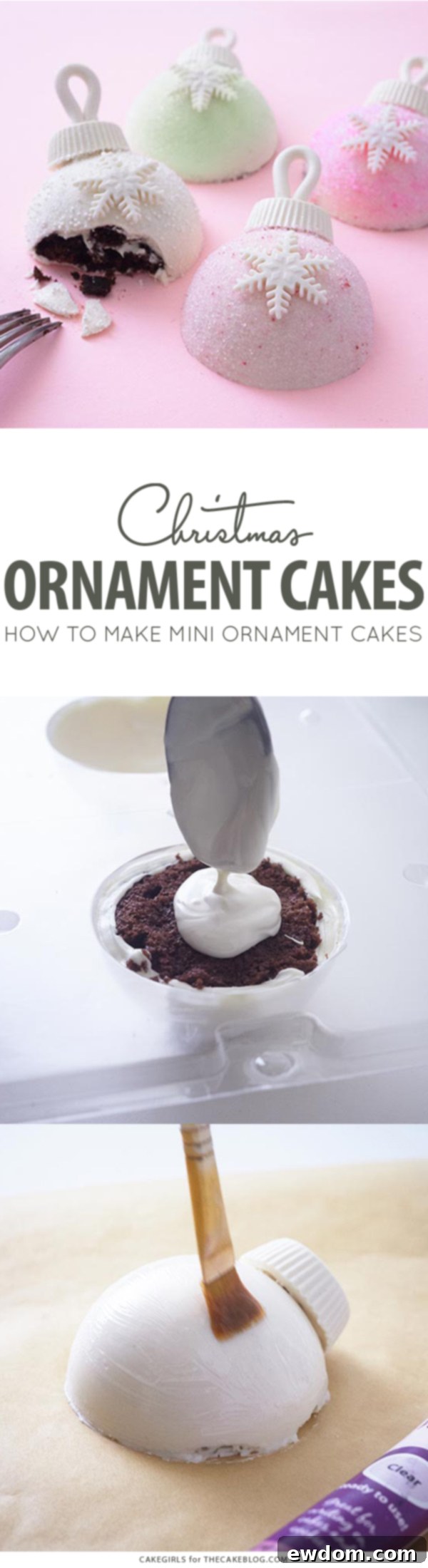
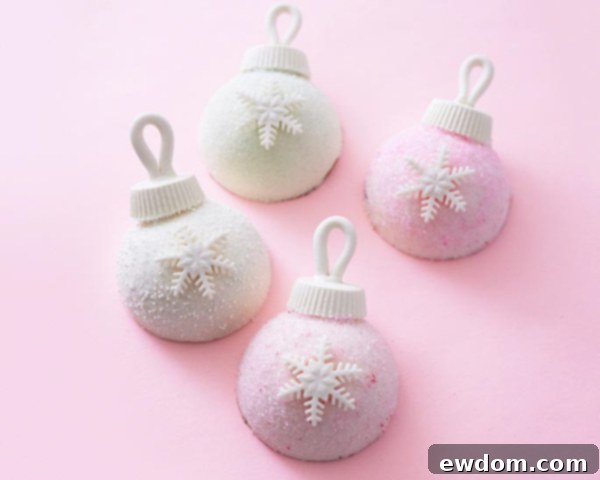
The magic begins with an accessible and inexpensive ball-shaped chocolate mold, eliminating the need for any complicated carving. This ingenious method allows you to easily form the perfect spherical shape. Once the mold is meticulously lined with a crisp chocolate shell, layers of moist cake and creamy buttercream are carefully assembled inside. A quick chill solidifies the structure, allowing you to effortlessly pop out perfectly formed individual cakes, ready for their dazzling transformation. A thin, even layer of piping gel acts as the adhesive for the vibrant sanding sugar, allowing you to blanket the entire cake in shimmer or apply it with more intricate, decorative flair. To complete the festive look, we incorporate delicate fondant snowflakes using a convenient plunger cutter – a tool we find indispensable for holiday baking – and attach a charming fondant loop, mimicking the hanger of a real ornament. The result? Absolutely adorable, show-stopping Christmas dessert ornaments that are sure to be the highlight of your holiday dinner.
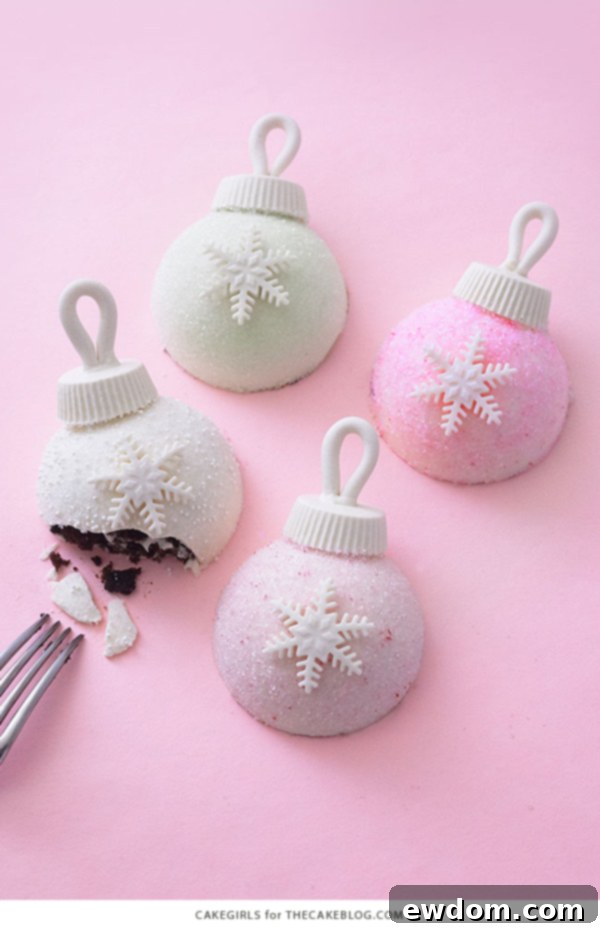
Craft Your Own Sparkling Christmas Ornament Cakes
This detailed guide by Cakegirls will walk you through every step of creating these delightful holiday treats.
Essential Supplies for Your Ornament Cakes:
Gathering all your ingredients and tools before you begin will ensure a smooth and enjoyable baking process. Many of these items are readily available at baking supply stores or online.
- Cake of Choice: A small, sturdy sheet cake works best for cutting uniform layers. Consider a rich chocolate cake or a classic vanilla for versatility.
- Buttercream of Choice: A stable buttercream like Swiss meringue, American, or even cream cheese frosting will work well between cake layers.
- White Candy Coating: Essential for creating the sturdy outer shell of your ornaments. Ensure it’s good quality for a smooth finish.
- Ball Mold: A 3D half-sphere or full ball chocolate mold is crucial for forming the ornament shape without carving.
- Peanut Butter Cup Mold: Used specifically for crafting the small, flat tops of the ornaments.
- White Fondant: For creating the decorative loops and snowflakes. Its pliability makes intricate details easy.
- Round Cookie Cutters (2″ and 2.5″): These varying sizes are perfect for cutting the cake layers that fit snugly into your ball mold.
- Snowflake Plunger Cutter: A fantastic tool for quickly and consistently cutting out delicate snowflake shapes from fondant.
- Piping Gel: Acts as an edible adhesive for the sanding sugar, allowing it to sparkle brilliantly on your cakes.
- Food Safe Paint Brush: Ideal for spreading candy coating evenly in molds and applying piping gel.
- Light Pink Sanding Sugar: For a soft, elegant shimmer.
- White Sanding Sugar: Creates a beautiful, snowy effect.
- Light Green Sanding Sugar: Adds a festive pop of color. Feel free to choose other colors to match your theme!
- Optional: Parchment or wax paper, a small offset spatula or knife, a microwave-safe bowl, and a sturdy flat surface for drying fondant pieces.
Step-by-Step Tutorial:
1. Prepare the Ornament Tops
Begin by melting some of your white candy coating. Use a microwave on half power, stirring frequently every 20-30 seconds to prevent scorching. Overheating can cause the coating to seize, so patience is key. Once perfectly smooth and fluid, spoon the melted coating into the cavities of your peanut butter cup mold. Aim for an even fill that reaches just below the rim. Place the mold in the freezer for about 10 minutes, or until completely firm. Once chilled, gently pop out these solid candy discs – they will form the base of your ornament caps.
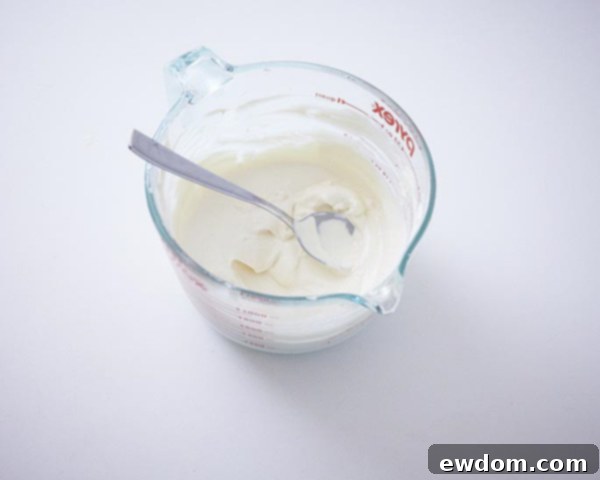
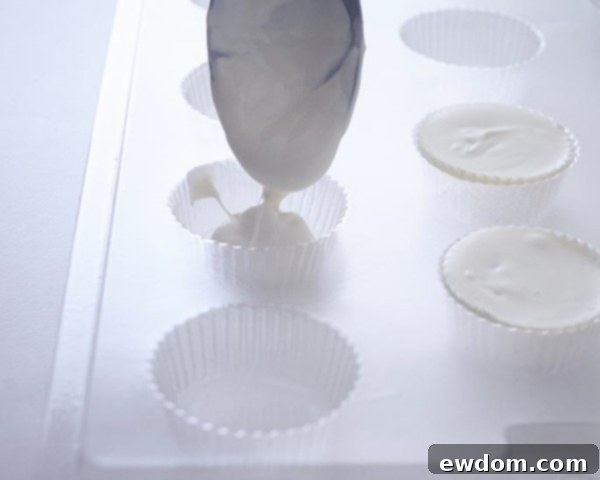
2. Create Fondant Loops
Take a small piece of white fondant and roll it between your palms or on a clean, lightly dusted surface to form a thin, uniform “worm” shape. The thickness should be appropriate for the hanger of a mini ornament. Gently bend this rolled fondant in half to create a loop. Using a sharp knife or a clean cutter, carefully flatten the bottom ends of the loop to create a neat, stable base. These loops need to firm up, so set them aside on a piece of parchment paper or a cutting board to dry completely. Drying allows them to maintain their shape when handled and attached later.
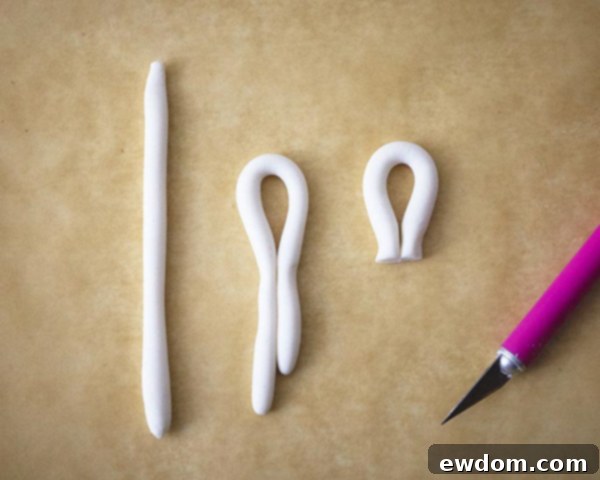
3. Craft Fondant Snowflakes
Roll out another piece of white fondant thinly and evenly. The thinner the fondant, the more delicate and realistic your snowflakes will appear. Use your snowflake plunger cutter to press out several beautiful snowflake shapes. The plunger mechanism helps to release the delicate shapes cleanly without distortion. Carefully transfer these cutouts to a clean, flat surface and allow them to dry completely. This will ensure they retain their shape and don’t bend or tear when you attach them to your finished cakes.
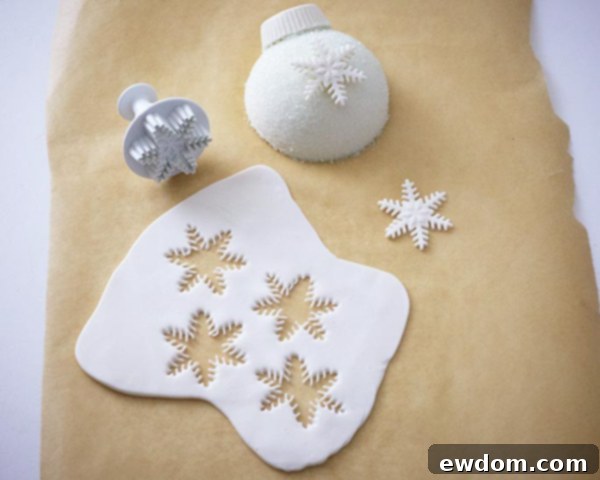
4. Prepare the Ball Molds
Remelt any remaining candy coating or melt a fresh batch, ensuring it’s smooth and pourable. Spoon approximately one tablespoon of melted coating into each cavity of your ball mold. Using the back of a spoon or a clean, food-safe paintbrush, spread the coating evenly across the entire inner surface of each cavity. Aim for a consistent, thin layer that fully coats the mold. If any coating spills onto the outside of the mold, wipe it away immediately with a paper towel to ensure a clean, sharp edge for your final ornament. Place the prepared mold in the freezer for about 10 minutes to allow the candy coating shell to set firmly.
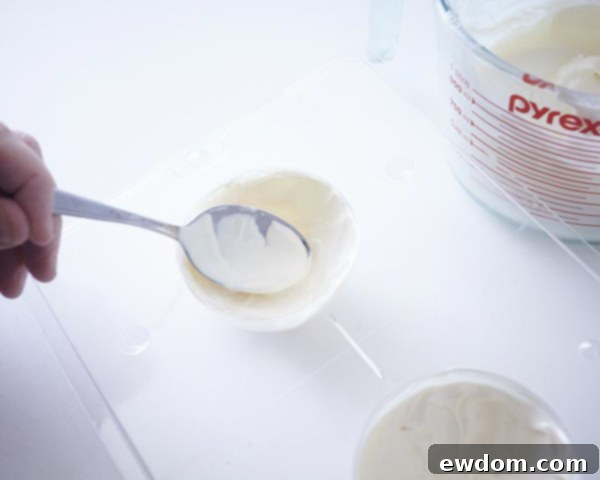
5. Assemble the Cake Cores
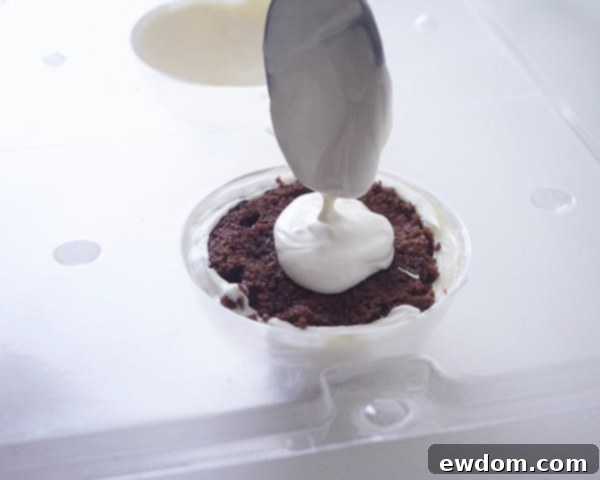
While your mold is chilling, cut your pre-baked cake into 1-inch thick layers. Then, using your 2-inch and 2.5-inch round cookie cutters (or a knife for precision), cut out small, uniform circles of cake. Each ornament will typically use one 2-inch and one 2.5-inch cake circle, creating a stable, tiered base within the mold. Remove the chilled mold from the freezer. Begin layering the tiny cake circles into each candy-coated cavity, alternating with generous dollops of buttercream between each layer. Gently press down on the cake layers as you go, ensuring they are snug and do not extend past the top edge of the mold. Trim any excess cake if necessary to maintain a flat surface for sealing.
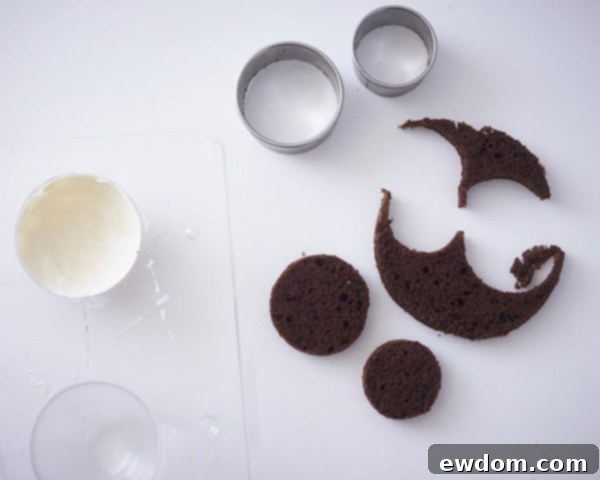
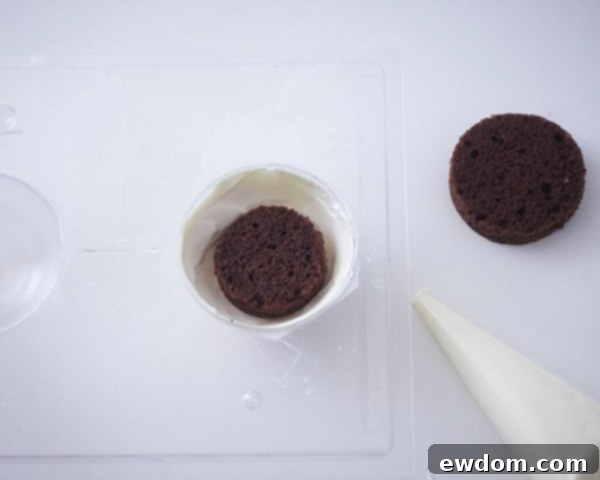
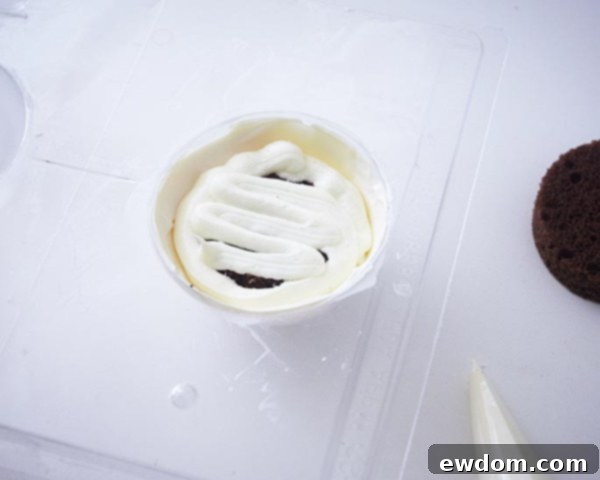
6. Seal the Ornaments
Once your cake and buttercream layers are neatly stacked within the mold, spoon a final thin layer of melted candy coating over the exposed cake. Use a small offset spatula or a knife to carefully spread this coating, creating a smooth, flat base that completely seals the cake layers inside the mold. This forms the “bottom” of your ornament and ensures everything stays intact. Return the mold to the freezer for another 10 minutes to allow this final candy coating layer to set firmly.
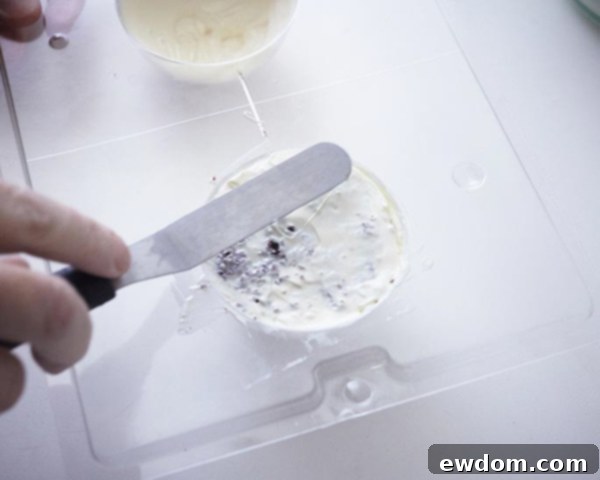
7. Demold and Prepare for Decoration
Carefully remove the cakes from the mold. If they don’t release easily, give the mold a gentle twist or flex. Once demolded, allow the cakes to come to room temperature. This crucial step prevents condensation from forming on the exterior, which could cause your sanding sugar to clump or dissolve. To speed up the drying process, you can gently dab them with a paper towel. Once dry and at room temperature, take your pre-made candy coating “peanut butter cup” tops and attach one to the flat top of each ornament using a small dab of melted candy coating as glue. Then, using a clean food-safe brush, spread a thin, even layer of piping gel over the areas where you intend to apply sanding sugar. You can cover the entire ornament or create decorative patterns.
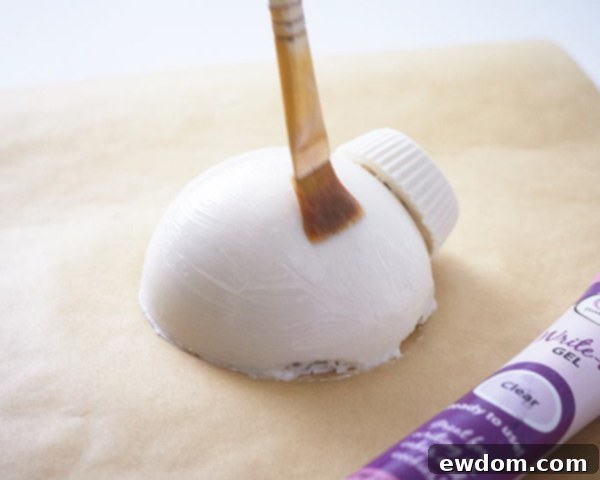
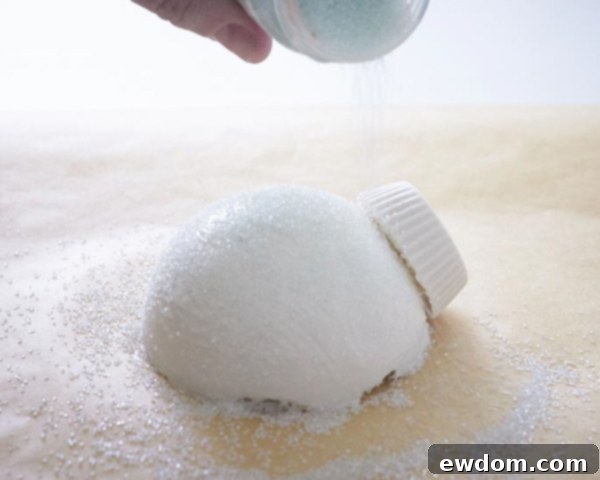
8. Dazzle with Sanding Sugar
Now for the sparkle! Place your ornament cakes on a piece of parchment or wax paper to catch any excess sugar. Generously sprinkle your chosen sanding sugars over the piping gel-coated areas. You can use a single color for a monochromatic look or blend multiple colors for a gradient effect. Don’t be shy with the sugar – a heavy coating ensures maximum sparkle. Once fully coated, gently lift the parchment paper and funnel the excess sanding sugar back into its jar for future use, minimizing waste.
9. Add the Final Festive Touches
To attach the dried fondant loops, dip one end of each loop into a tiny bit of melted candy coating. Press the coated end onto the top center of your ornament, holding it gently in place until the coating sets and the loop is securely attached. For the delicate fondant snowflakes, squeeze a few tiny dots of piping gel onto the back of each snowflake. Carefully press them onto your ornamented cakes wherever you desire, creating a beautiful winter scene. Ensure all your decorative elements are firmly affixed.
Creative Customization for Your Ornament Cakes
The beauty of these Christmas Ornament Cakes lies in their incredible potential for personalization. While the tutorial provides a fantastic foundation, don’t hesitate to unleash your creativity to make them uniquely yours. Here are some ideas to inspire you:
- Color Palettes: Experiment with different color schemes for your sanding sugar. Beyond traditional reds and greens, consider icy blues and silvers for a “winter wonderland” theme, or a vibrant mix of jewel tones for a rich, luxurious look. You could even use edible food coloring to tint your white candy coating before molding for a base color.
- Sanding Sugar Application: Instead of covering the entire cake, try applying piping gel in specific patterns – stripes, polka dots, or swirls – before sprinkling the sugar. This creates interesting textures and designs. Edible glitter or tiny nonpareils can also be mixed with or used instead of sanding sugar for different effects.
- Fondant Variations: While snowflakes are classic, consider using other small cookie cutters for different fondant shapes like stars, tiny holly leaves, or even miniature bows. You could also tint the fondant with gel food coloring to match your chosen color scheme.
- Personalized Touches: For a truly special touch, use a fine food-safe brush and edible food paint or edible markers to write initials, guest names, or small festive messages directly onto the ornament cakes or small fondant discs.
- Alternative Flavor Pairings: While chocolate cake and Swiss meringue buttercream are divine, feel free to experiment with other cake and frosting combinations. A classic vanilla bean cake with raspberry buttercream, or a gingerbread cake with cream cheese frosting, would be equally festive and delicious.
- Display Ideas: Arrange your finished ornament cakes on a tiered cake stand, nestled amongst evergreen branches, or even hung carefully from a sturdy decorative tree (ensure they are securely placed and won’t fall!).
Expert Tips for Perfect Ornament Cakes
Achieving stunning results often comes down to a few key details. Keep these tips in mind as you create your sparkling masterpieces:
- Melting Candy Coating: Always melt candy coating slowly and carefully, preferably in short bursts on half power in the microwave, stirring frequently. Overheating will cause it to seize and become unusable. If it thickens too much, a tiny bit of vegetable shortening (like Crisco) can sometimes help thin it out, but avoid adding water.
- Clean Molds: Ensure your molds are perfectly clean and dry before use. Any moisture can cause the candy coating to streak or not set properly.
- Even Coating: When lining the molds with candy coating, strive for an even layer. Too thick, and it will be difficult to bite through; too thin, and it might crack. A food-safe paintbrush helps immensely here.
- Drying Fondant: Allow all fondant pieces (loops and snowflakes) ample time to dry and firm up. This prevents them from sagging, bending, or tearing when you attach them to the cakes.
- Room Temperature Cakes: It’s critical that your demolded cakes come to room temperature and are completely dry on the surface before you apply piping gel and sanding sugar. Condensation will cause the sugar to melt and create a sticky mess.
- Generous Sanding Sugar: Don’t be afraid to apply a generous amount of sanding sugar. The excess can be easily collected and reused, ensuring maximum sparkle on your cakes.
- Secure Adhesion: When attaching the ornament tops, loops, and snowflakes, use a small amount of melted candy coating or piping gel to ensure they adhere securely. Hold them in place for a few seconds until set.
Conclusion: A Dazzling Christmas Tradition
These Christmas Ornament Cakes are more than just a dessert; they are a delightful centerpiece and a conversation starter, embodying the joy and festive spirit of the holiday season. Their individual portions make them a convenient and elegant choice for serving, while their customizable nature ensures they can perfectly complement any holiday theme or personal preference. From the satisfying process of creation to the sheer delight of presenting and tasting these sparkly treats, they promise to bring an extra layer of magic to your Christmas celebrations. We hope this comprehensive tutorial empowers you to create your own batch of dazzling ornament cakes and make them a cherished new tradition in your home. Get ready to impress your guests and savor the sweet success of these truly special holiday delights!
YOU MAY ALSO ENJOY:
- Birch Log Cake
- Whipped Cream Cubes
- Winter Hat Cake
- Christmas Cupcake Wreath
- Igloo Cake