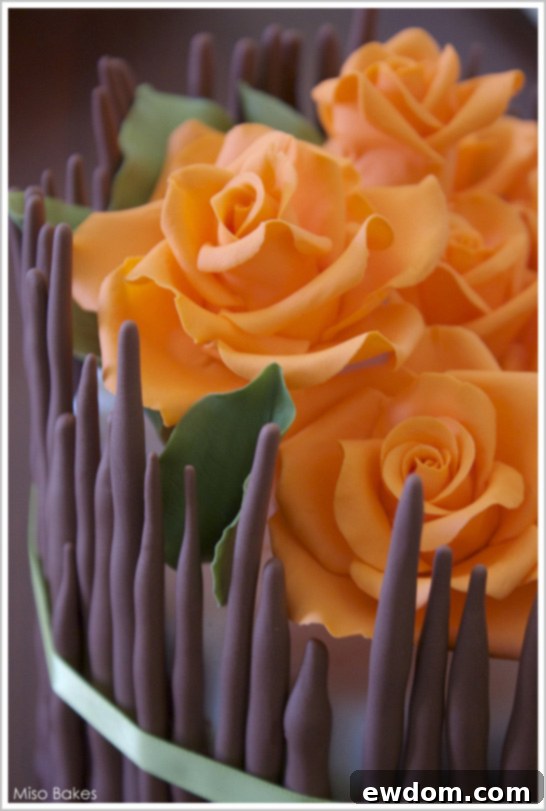
Our esteemed contributor, Miso from Miso Bakes, is delighted to share an exquisite new DIY project, perfectly timed for your Thanksgiving festivities!
As the aroma of autumn spices begins to fill the air and Thanksgiving draws near, many of us find ourselves immersed in the joyful, albeit busy, process of planning the perfect holiday feast. You’re likely meticulously crafting your menu, ensuring every dish from the savory turkey to the delectable side dishes is just right. Your home is probably undergoing a thorough tidying, ready to welcome cherished family and friends. Gradually, item by item, your extensive holiday To-Do list shrinks. Yet, amidst all this planning, a common challenge often emerges: what show-stopping dessert will truly elevate your Thanksgiving table beyond the traditional array of pumpkin and apple pies?
You aspire to create something memorable, a culinary masterpiece that will not only satisfy sweet cravings but also capture everyone’s attention. Perhaps you wish to impress your discerning mother-in-law or playfully steal the spotlight from Aunt Betty’s famously irresistible caramel apple crisp. This year, you’re determined to earn accolades for your artistic flair and exceptional cake-creating abilities. You want a dessert that’s not just delicious, but also a stunning visual centerpiece, sparking conversations and lingering admiration long after the last slice has been savored.
If these aspirations resonate with you, then this stunning Fall Flower Centerpiece Cake is precisely what you need! It offers a brilliant solution, serving a dual purpose: a breathtaking dessert and an elegant table decoration. Imagine crossing two significant items off your Thanksgiving preparations list with a single, magnificent creation. It’s a true “kill two birds with one stone” moment, combining practicality with unparalleled beauty and taste, ensuring your holiday table is both spectacular and unforgettable.
Craft Your Own Thanksgiving Masterpiece: A Fall Flower Centerpiece Cake Tutorial
Ready to transform your dessert table into a captivating display of autumn elegance? Let’s embark on this creative journey together. With Miso’s expert guidance, you’ll craft a unique Fall Flower Centerpiece Cake that will undoubtedly become the talking point of your Thanksgiving celebration. This detailed tutorial breaks down each step, making the process enjoyable and achievable for bakers of all skill levels.
FALL FLOWERS CENTERPIECE CAKE: A DIY Tutorial by Miso Bakes
Creating edible floral art might seem daunting, but with the right tools and techniques, you’ll be amazed at what you can achieve. Miso’s instructions are designed to guide you through each stage, from preparing your gumpaste to assembling the final breathtaking arrangement on your cake.
Gather Your Essential Supplies for Gumpaste Flowers
Before you begin, ensure you have all the necessary components for your gumpaste flower project. Quality supplies make a significant difference in the final outcome and ease of creation.
- Baked Cake: Start with a sturdy, dense cake, ideally a 6-inch round, that has been smoothly iced and covered in fondant. A dense cake provides the necessary structural integrity to support your gumpaste decorations. Ensure your fondant layer is pristine, as it will be the canvas for your edible art.
- Gumpaste: Acquire gumpaste in vibrant fall colors: orange for the roses, rich brown for the delicate twigs, and various shades of green for realistic leaves. Gumpaste is essential due to its elasticity and ability to dry firm, holding intricate shapes much better than standard fondant.
- Support Wires/Sticks: Choose between skewers, toothpicks, or floral wire. If opting for floral wire, ensure it is food-safe or properly taped for direct contact with edible items. These will serve as internal supports for your gumpaste flowers and leaves, allowing them to dry in desired positions and providing stability for insertion into the cake.
- Floral Tape: (Only if using floral wire) Use green floral tape to cover any non-food-safe wire, creating a clean, cohesive stem for your leaves and allowing them to be grouped.
- Water: A small bowl of water acts as an edible glue, helping gumpaste petals adhere to each other and to the core.
- Drying Aids: A block of styrofoam or a cup filled with rice. These are crucial for holding your gumpaste cores and finished flowers upright as they dry, preventing distortion.
- Balling Tool or Spoon: Essential for thinning the edges of gumpaste petals, giving them a natural, delicate, and realistic appearance. If you don’t have a specialized balling tool, the back of a small spoon can work effectively.
- Take-out Spoons or Regular Spoons: Used for drying finished gumpaste rose petals, helping to create a natural curvature and depth, mimicking real rose petals.
- Petal Cutters: Assorted sizes of rose petal cutters are ideal for achieving various layers of petals, from tight inner buds to fuller outer blooms.
- Veiners (Optional): For leaves, a gumpaste leaf veiner can add realistic texture and detail.
Crafting Exquisite Gumpaste Roses: A Step-by-Step Guide
The secret to beautiful gumpaste roses lies in careful preparation and methodical layering. Allow ample drying time for each stage to ensure your roses maintain their shape.
Preparing Your Rose Cores (The Foundation)
- Advance Preparation is Key: Begin creating your rose cores several days in advance of assembling the cake. This allows them sufficient time to dry completely, ensuring they are firm and stable to build upon.
- Shaping the Core: Take a small amount of gumpaste, roughly the size of a miniature gumball (adjusting for your desired flower size), and roll it into a smooth ball. Gently taper one end to create a teardrop shape. This shape forms the natural center of your rose.
- Inserting the Support: Dip one end of your chosen support (skewer, toothpick, or floral wire) into a tiny bit of water. Carefully insert the wet end into the non-tapered, rounder base of the gumpaste teardrop. The water acts as an adhesive, securing the core to the support.
- Sealing and Drying: Gently pinch and seal the gumpaste around the inserted support to ensure it’s firmly attached. Allow these cores to dry upright in a block of styrofoam or a cup of rice. This prevents them from flattening or distorting as they harden.
**Tip: The size of your core will directly influence the overall size of your finished gumpaste flower. Experiment to find your preferred proportions.**
Building the Rose: Layer by Layer
Patience and attention to detail are crucial when forming gumpaste roses. Work quickly but meticulously, keeping any unused gumpaste covered to prevent it from drying out.
Layer One: The Inner Bud
This initial layer forms the tight, central bud of your rose, establishing its fundamental shape.
- Step 1: Petal Preparation: While there are many ways to craft gumpaste roses, a consistent approach for the first few layers often yields the best results. Using the same-sized petal cutter, cut out six individual petals. Keep these covered with plastic wrap or in a sealed bag to maintain their pliability.
- Step 2: Thinning the Edges: Take one petal and, using a balling tool or the back of a small spoon, gently thin out only the top half of its edges. The goal is to create a delicate, realistic appearance, so avoid thinning the entire petal or making it too flimsy.
- Step 3: Attaching to the Core: Apply a tiny dab of water to the center of the thinned petal. Carefully adhere this petal to the dried gumpaste core, ensuring the core is positioned centrally on the petal.
- Step 4: Forming the Bud: Apply a small amount of water to each corner of the attached petal. Gently fold these corners down, overlapping the edges to encase the core. You can lightly curl the very top edges back with your finger or a toothpick to mimic a natural bloom.
Layer Two: Starting the Spiral
The second layer begins to create the characteristic spiral of a blossoming rose.
- Step 5: Prepare More Petals: Thin out two more petals, using the same technique as in Step 2.
- Step 6: First Petal Placement: Apply a small dab of water to one half of a prepared petal. Wrap this petal around the first layer (the bud), making sure that the center of the new petal aligns with a seam from the first layer. This helps create a balanced, organic spiral.
- Step 7: Creating the Spiral Overlap: Carefully tuck one edge of this second petal underneath the first layer’s petal. Then, fold the other edge of the second petal over the first layer’s petal. This technique creates a continuous, natural-looking spiral.
- Step 8: Secure All Edges: Gently press and glue all edges down with a minimal amount of water, ensuring a secure and seamless attachment.
Layer Three: Adding Volume and Form
This layer further develops the rose’s shape, adding more volume and dimension.
- Step 9: Prepare Remaining Petals: Thin out the last three petals from your initial set of six, preparing them for attachment.
- Step 10: First Petal of Layer Three: Similar to the second layer, center the first petal of this third layer over a seam from the second layer. Apply water and adhere only half of the petal down. This leaves an opening for the final petal to be tucked into, creating a continuous flow.
- Step 11: Overlapping the Second Petal: Overlap the first petal of this layer with the second, securing it down with water. Ensure the overlaps are gentle and mimic the natural growth pattern of a rose.
- Step 12: Tucking the Last Petal: Carefully tuck the final petal of this layer into the partially secured first petal. This completes the seamless, flowing appearance of the rose’s inner petals.
Expanding Your Rose for Fullness and Depth
To create larger, more open roses, continue adding layers, gradually increasing the size of your petal cutters.
- Step 13: Continue Building: You can continue building your rose by cutting more petals. For subsequent layers, gradually switch to a larger petal cutter to create a fuller, more open bloom. Remember to always thin the edges of each new petal.
- Step 14: Curling Outer Petals: For the outermost petals, gently roll the edges back with a toothpick or a small paint brush handle. This adds a beautiful, realistic curl and movement to the rose.
- Step 15: Drying for Curvature: To give your finished roses even more depth and a natural curvature, allow them to dry on their sides in the concave curve of take-out spoons or regular spoons. This gentle support helps the petals maintain an organic, rounded shape as they harden.
NOTE: Gumpaste dries very quickly! It is absolutely critical to keep any unused gumpaste and cut petals covered with plastic wrap or gently placed flat in a sealed plastic bag. This prevents them from drying out and becoming unworkable.
Crafting Realistic Gumpaste Leaves
Leaves add crucial texture and contrast to your floral arrangement, enhancing its natural appeal.
- Roll and Impress: Roll out your green gumpaste to a thickness that allows for wire insertion (if using wire) and creates clear veining. If you have a leaf veiner, press your gumpaste into it to impart realistic texture.
- Cut and Wire: Use a petal cutter or a specific leaf cutter to cut out your leaf shapes. If desired, dip a short piece of floral wire (covered with floral tape for food safety) into water and carefully insert it into the base of each leaf.
- Thin and Dry: Gently thin the edges of the leaves with a balling tool for a delicate appearance. Allow them to dry completely, either flat or draped slightly to create natural curves.
- Prepare for Cake: If using wired leaves, wrap the wired stem in floral tape and then insert the wired end into a coffee stirrer or a piece of dry spaghetti before inserting it into the cake. This prevents direct wire-to-cake contact, ensuring food safety.
Creating Rustic Gumpaste Twigs
Delicate gumpaste twigs add an organic, autumnal touch that beautifully frames your flowers and leaves.
- Roll and Shape: Roll out a piece of brown gumpaste into a long, thin snake-like shape. Gently taper one or both ends to mimic natural twig tips. You can also create slight bends or knots for added realism.
- Dry: Allow the twigs to dry completely or at least partially. Partially dried twigs will retain some flexibility, making them easier to position on the cake, while fully dried ones will be more rigid.
- Adhere: Once shaped and dried to your preference, carefully adhere the twigs to the side or top of your fondant-covered cake using a tiny dab of water or edible glue.
Assembling Your Stunning Fall Centerpiece Cake
Now for the exciting part – bringing all your elements together to create a cohesive and breathtaking centerpiece!
- Prepare Your Cake Base: Ensure your cake is already baked, perfectly iced, and smoothly covered in fondant. A flawless foundation is key for your intricate gumpaste decorations to truly shine.
- Arrange the Roses: Begin by carefully arranging your dried gumpaste roses on top of the cake. Start with your largest or most prominent roses, positioning them as the focal point. Then, fill in with smaller roses, creating a natural, cascading effect or a clustered arrangement depending on your vision. Consider varying heights and angles for visual interest.
- Integrate the Leaves: Next, thoughtfully arrange your gumpaste leaves around and among the roses. Place them strategically to add pops of green, provide contrast, and fill any gaps. Ensure the leaves don’t protrude excessively or interfere with the placement of your twigs. Aim for a balanced, organic look that complements the flowers.
- Glue Twigs onto Cake: Once your roses and leaves are in place, gently attach your gumpaste twigs to the sides of the cake, weaving them around the floral arrangement. Use a minimal amount of water or edible glue for secure adhesion. The twigs add a rustic, earthy element that ties the entire fall theme together.
- The Finishing Touch: Ribbon: To complete your masterpiece, tie a complementary ribbon around the base of the cake. Choose a color and texture that enhances your fall theme, such as a rustic burlap, a rich satin, or a vibrant organza. If you have extra time and advanced gumpaste skills, consider creating an edible ribbon out of fondant for an even more personalized and impressive finish!
General Tips for Gumpaste Success:
- Work Clean: Keep your work surface clean and free of excess powdered sugar or cornstarch, which can dry out gumpaste.
- Humidity Control: Gumpaste is very sensitive to humidity. In humid environments, it can become sticky. Use a tiny bit of cornstarch on your hands if needed. In dry environments, it can dry too quickly, so keep it covered.
- Storage: Store unused gumpaste tightly wrapped in plastic wrap and then in an airtight container to prevent it from drying out.
- Edible Glue Alternative: If water isn’t strong enough for adhesion, especially for larger pieces, you can make edible glue by dissolving a tiny piece of gumpaste in a small amount of water to create a thicker paste.
This Thanksgiving, surprise your guests and delight your family with a dessert that’s truly a work of art. This Fall Flower Centerpiece Cake by Miso Bakes is more than just a sweet treat; it’s a testament to your creativity and a stunning focal point for your holiday table. Embrace the joy of crafting something beautiful and edible, making your celebration even more special and memorable.
Happy Thanksgiving from Miso Bakes!