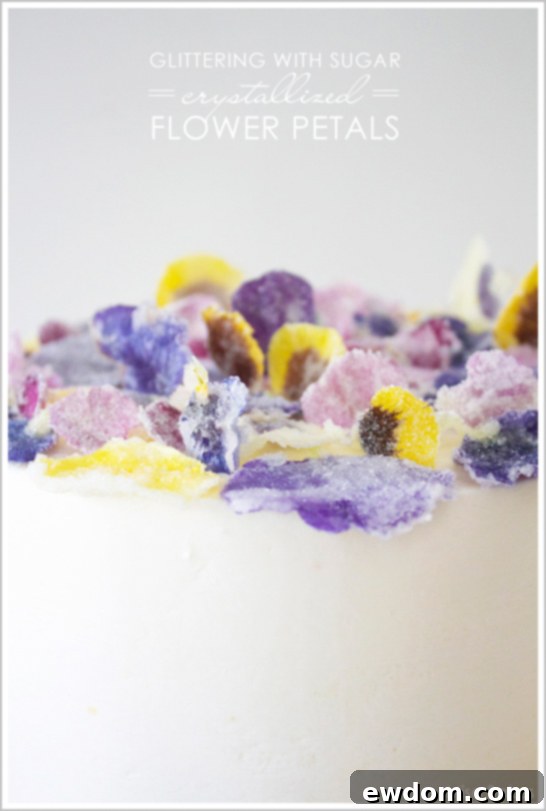
Enchanting Edible Art: DIY Crystallized Flower Petals for Magical Summer Decor
Our esteemed contributor, Miso of Miso Bakes, brings us a truly delightful and inspiring tutorial, perfectly suited for the vibrant energy of summer. Forget the usual barbecues and beach days for a moment, and instead, let’s delve into a world of whimsical beauty, reminiscent of enchanted forests and moonlit dreams.
When the warmth of summer arrives, my mind doesn’t immediately drift to sun-soaked beaches or the sizzle of a backyard grill. Instead, a more profound and magical image takes hold: the mystical realm of William Shakespeare’s A Midsummer Night’s Dream. I recall vividly a few years ago, having the privilege to witness this timeless play at the venerable Globe Theater in London. While the specifics of the cast and their interpretations have faded with time, one scene remains etched in my memory: a captivating moment deep within the woods, where fairies danced with ethereal grace, scattering shimmering glitter and delicate flower petals across the stage, transforming the setting into a scene of pure enchantment.
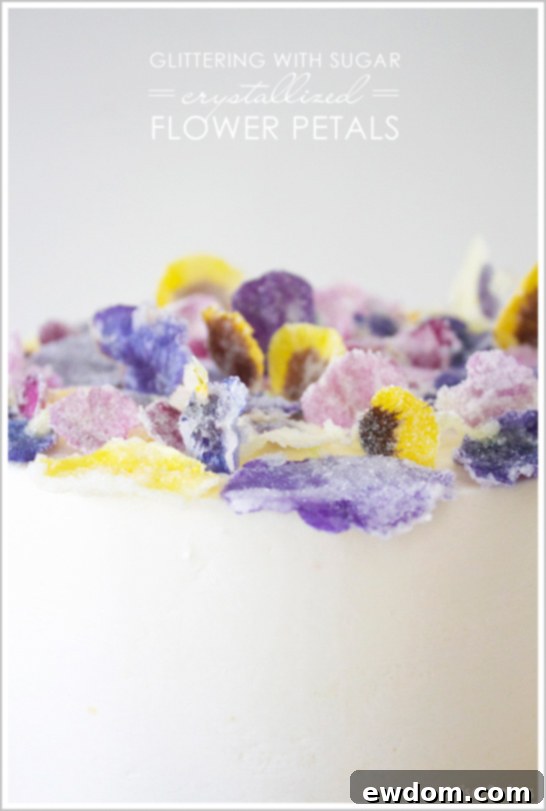
Indeed, there’s a certain magic to summer that, for me, surpasses even the fresh promise of spring. Perhaps it’s the call of the wild, the season of camping under a canopy of stars. There’s an undeniable allure to gathering around a crackling campfire, nestled deep within the hushed woods, the melodic chirping of crickets filling the air, occasionally punctuated by the sweet, damp fragrance of wildflowers. Now, imagine replacing the buzzing mosquitoes with the gentle glow of fireflies, and suddenly, you’re not just camping; you’re immersed in a living fairytale. This inherent magic of summer, combined with the fantastical imagery from Shakespeare’s play, provided the perfect muse for today’s enchanting project.
This tutorial is my humble, heartfelt ode to the enchanting spirit of A Midsummer Night’s Dream. Inspired by those glittering petals and the whimsical aura of the fairies, I set out to capture that ephemeral beauty in a tangible, edible form. The result? Exquisite crystallized flower petals, designed to elevate your summer creations into works of art.
The Allure of Crystallized Flowers: Edible Elegance for Any Occasion
Crystallized flower petals are more than just a garnish; they are miniature edible sculptures, offering a delicate crunch and a subtle floral essence that transforms any dessert or beverage. Their shimmering, sugar-coated surfaces catch the light, adding an unparalleled touch of elegance and fantasy. Imagine the delight of your guests as they encounter these sparkling natural wonders adorning a cake, a cupcake, or even a sophisticated cocktail. This age-old confectionery technique is surprisingly simple to master, yet it yields results that look incredibly intricate and professional. It’s a wonderful way to preserve the fleeting beauty of nature and infuse your culinary creations with a truly unique charm.
A Journey into Edible Flowers: What You Need to Know
Before you embark on the delightful journey of creating your own crystallized flower petals, it’s crucial to understand the fundamentals of selecting and preparing edible flowers. Not all flowers are safe for consumption, and even those that are, require careful handling to ensure both beauty and food safety.
Sourcing Your Blossoms Safely
The first and most critical step is to obtain edible flowers from a reliable source. I highly recommend purchasing them from reputable grocery stores, like Whole Foods, which often carry a selection specifically labeled for culinary use. When buying, always confirm that the flowers are explicitly stated to be chemical and pesticide-free. This is non-negotiable for your health and safety. If you’re fortunate enough to have a garden and wish to use your own homegrown blooms, thorough research is essential. Double-check that your chosen varieties are indeed safe for consumption. A fantastic resource for this is this comprehensive guide on edible flowers, which can help you identify safe options and avoid toxic look-alikes. Always err on the side of caution; if you’re unsure, it’s best to stick to commercially sourced, verified edible flowers.
Recommended Edible Flowers for Crystallization
Many beautiful flowers lend themselves wonderfully to the crystallization process. Some of the most popular and visually stunning choices include:
- Roses: Their delicate fragrance and varied colors make them a classic choice.
- Violets: Small, intensely colored, and very charming.
- Pansies: Offering a wide array of vibrant colors and often a subtle, sweet flavor.
- Borage: Known for its star-shaped blue flowers and a faint cucumber-like taste.
- Lavender: Provides a unique aromatic quality.
- Elderflower: Delicate and wonderfully fragrant, perfect for light desserts.
- Peonies: While larger, their petals can be used for a dramatic effect.
Remember, taste can vary, so experiment with small batches to find your favorite combinations of beauty and flavor.
Crafting Your Own Enchantment: The Crystallization Process
Now that you’ve gathered your beautiful, safe-to-eat flowers, it’s time to transform them into shimmering edible jewels. This process, while seemingly intricate, is quite straightforward and incredibly rewarding. Follow Miso Bakes’ expert guidance to create your own batch of dazzling crystallized flower petals.
Miso Bakes’ Guide to Stunning Crystallized Flower Petals
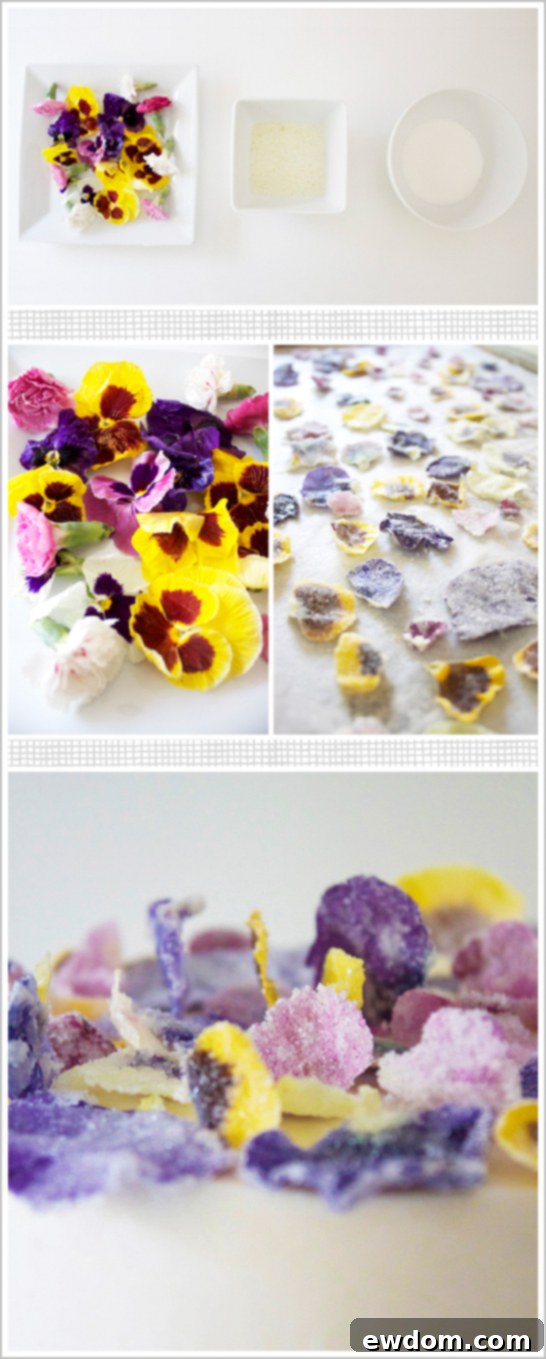
- Prepare Your Petals with Care: Begin by gently rinsing your chosen edible petals under cool, running water. This removes any dust or lingering pollen. Immediately after rinsing, lay them on a clean paper towel and very carefully pat them completely dry. Excess moisture can hinder the sugar from adhering properly. Once dry, delicately separate the petals from the flower head. Handle them by the stem or edge as much as possible to avoid bruising or tearing the delicate surfaces.
- The Perfect Egg Wash Base: In a clean bowl, crack two fresh egg whites. For added safety and to achieve a more fluid consistency, I recommend using pasteurized eggs. To further enhance the egg wash and improve its spreadability, I incorporate two tablespoons of superfine sugar. Whisk this mixture gently over a pot of simmering water (creating a double boiler effect) until it’s warm to the touch and all the sugar granules have fully dissolved. This warming step helps to make the egg whites more fluid and easier to apply, though it’s important to note that it does not guarantee the elimination of all potential bacteria. Allow the mixture to cool slightly before use. The goal here is a smooth, slightly viscous liquid that will evenly coat your petals.
- Applying the Glittering Sugar Coating: With a small, clean food-grade brush or even your fingertips, delicately rub each individual petal with the prepared egg white mixture. Ensure every surface of the petal is thoroughly but thinly coated. You want just enough to make the sugar stick, not so much that the petal becomes soggy. After coating with egg white, immediately and carefully sprinkle superfine sugar (also known as caster sugar) generously over both sides of the petal. Superfine sugar is ideal as its small crystals create a more uniform and delicate shimmer, though granulated sugar can also be used if superfine is unavailable. Gently shake off any excess sugar.
- The Patient Art of Drying: Once coated, carefully transfer your sugar-dusted petals to a cooling rack or a sheet pan. If using a sheet pan, line it with a Silpat baking mat or parchment paper lightly sprayed with a non-stick spray to prevent sticking. Proper drying is crucial for achieving crisp, long-lasting crystallized petals. You have two primary methods for drying:
- Air Drying: This is the most traditional method, allowing the petals to dry naturally at room temperature. This can take anywhere from 12 hours to a full day, depending on the humidity of your environment and the thickness of your petals. Ensure the petals are in a well-ventilated area, undisturbed, and not exposed to direct sunlight, which can fade their colors.
- Oven Drying: For a faster approach, you can place the petals in a very low oven, typically set at around 100°F (38°C). This method usually takes a few hours. Keep a close eye on them, checking periodically, until they are completely dry and brittle. They should feel crisp and firm to the touch, with no stickiness or flexibility remaining.
The key is to ensure they are fully dried to prevent spoilage and maintain their beautiful, crystallized texture.
Unlocking Creative Potential: Ideas for Your Candied Petals
Once your crystallized flower petals are perfectly dry and sparkling, a world of decorative possibilities opens up. These edible gems are incredibly versatile and can elevate a wide array of culinary creations, adding a touch of sophistication and whimsy that will impress your guests. Here are just a few ideas to inspire your creativity:
- Cake and Cupcake Garnishes: The most classic use! Arrange them elegantly on frosted cakes, individual cupcakes, or mini tarts for a truly stunning presentation. They are particularly striking on light-colored frostings, allowing their delicate beauty to shine.
- Cookie Decorations: Press them gently onto freshly frosted cookies or use a tiny dab of royal icing to adhere them to dry cookies.
- Elevated Beverages: Float a few petals in a glass of homemade lemonade, sparkling water, or a sophisticated cocktail for an instant touch of luxury and visual appeal.
- Dessert Platters: Sprinkle them over fresh fruit salads, panna cotta, mousse, or even ice cream for an unexpected crunch and burst of color.
- Cheese Boards: For a unique and artistic touch, arrange a few petals on a festive cheese board alongside fruits, nuts, and crackers.
- Gift Giving: Package them in small, airtight decorative boxes as delightful edible gifts for friends and family.
Storing Your Floral Treasures
To preserve the beauty and crispness of your crystallized flower petals, proper storage is essential. Once they are completely dry and cooled, carefully transfer them to an airtight container. Place a layer of parchment paper between layers of petals to prevent them from sticking together. Store the container in a cool, dry place away from direct sunlight and humidity. Avoid refrigeration, as this can introduce moisture and cause the sugar to melt or the petals to soften. When stored correctly, your crystallized petals can last for several weeks, ready to add a magical touch to your culinary endeavors at a moment’s notice.
Important Safety Considerations
While crystallized flower petals are a beautiful and delicious treat, it is crucial to remember a significant safety warning. Because this recipe utilizes raw egg whites, there are certain individuals who should consume these flowers with caution or avoid them altogether. Small children, the elderly, pregnant women, and individuals with compromised immune systems or pre-existing illnesses are particularly susceptible to potential risks associated with raw egg consumption. Always inform your guests if raw egg whites have been used, and if serving a large group, consider providing alternatives or explicitly labeling your creations. Prioritizing food safety ensures everyone can enjoy your beautiful creations responsibly.
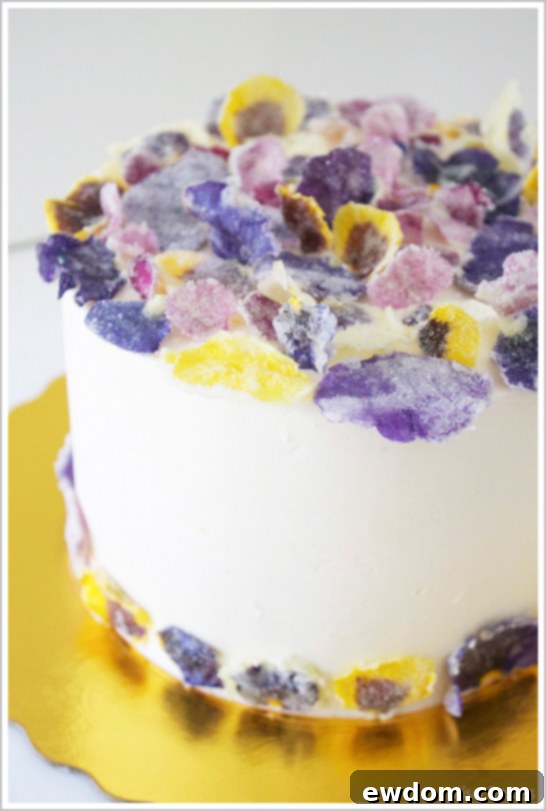
To truly embrace the floral theme, I recently used these shimmering petals to adorn a luscious lemon-vanilla bean cake. This particular cake featured layers of light, airy buttercream and a delicate, fragrant thin layer of rose petal jelly—a cherished souvenir from my travels through the picturesque regions of France. The crystallized petals added the perfect finishing touch, transforming a delicious dessert into an edible masterpiece, brimming with the romance and charm of a summer garden.
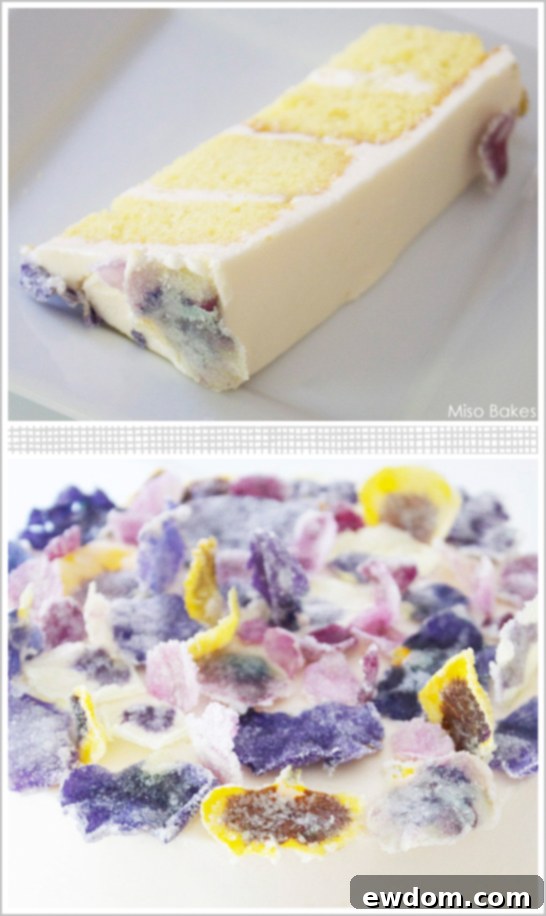
We hope this tutorial by Miso of Miso Bakes inspires you to bring a touch of midsummer magic into your kitchen. Enjoy the creative process and the sheer delight of these glittering, sugar-coated wonders!