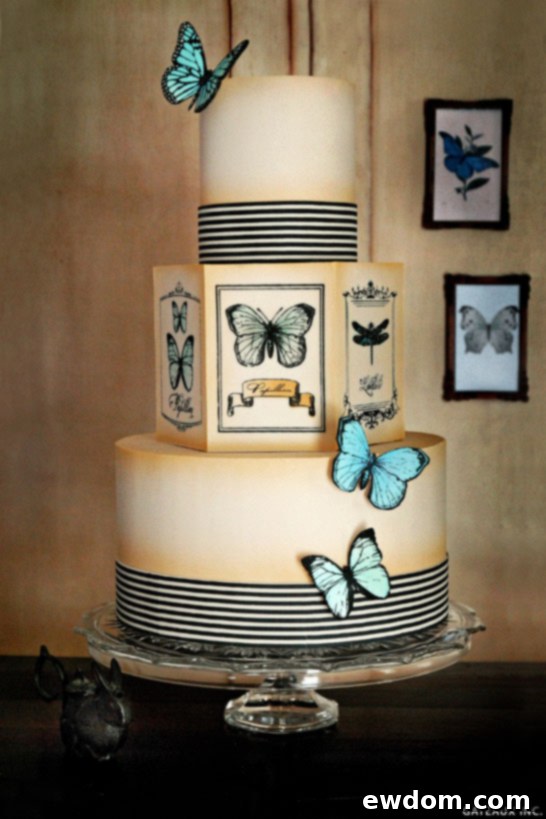
Mastering Vintage Elegance: Part 2 of Our Exquisite Vintage Butterfly Cake Tutorial
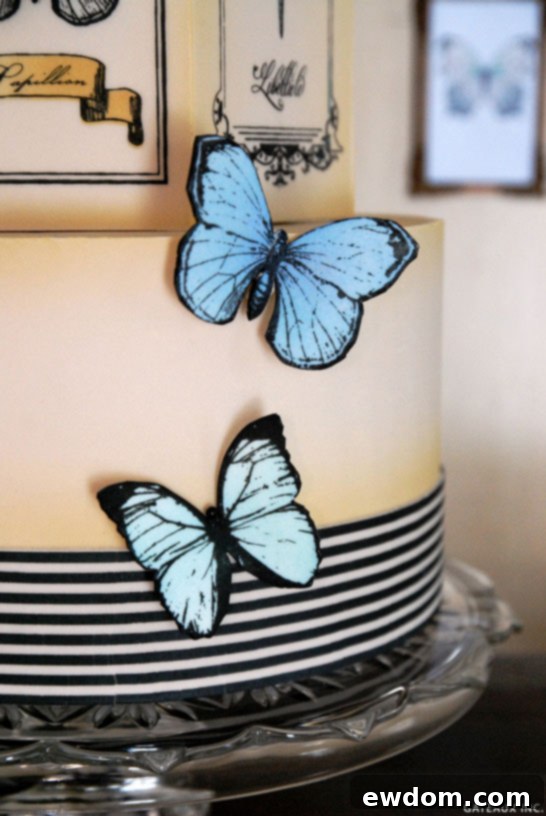
Welcome back, cake enthusiasts! A few weeks ago, we embarked on a delightful journey into the world of delicate confectionary artistry, introducing you to the breathtaking Vintage Butterfly Cake. Its stunning 3-D butterflies, rendered in elegant shades of pale blue and black, seemed to flutter gracefully around an antiqued, ecru-colored fondant canvas, beautifully framed by classic black and white striped ribbons. If you were captivated by the thought of creating those incredible, lifelike butterflies with surprising ease, utilizing a custom mesh stencil, and perhaps missed that essential first tutorial by the exceptionally talented Robin Martin of Gateaux Inc., we highly recommend pausing here to explore it. It lays the foundational groundwork for the spectacular design we’re delving into today, ensuring you don’t miss any secrets to mastering this truly unique cake.
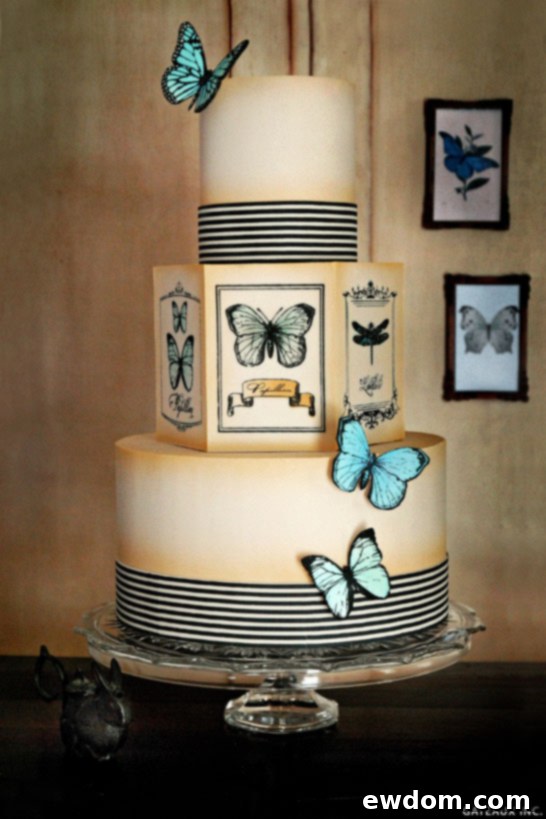
Unveiling the Art of Entomology-Inspired Fondant Appliques
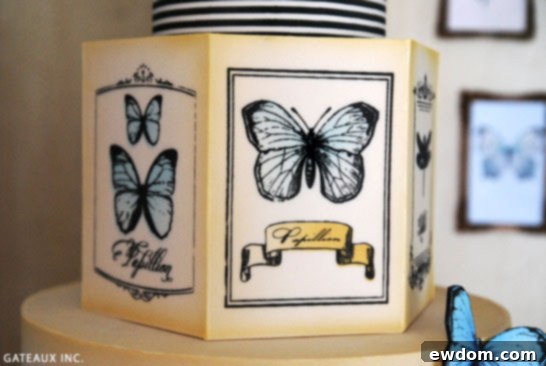
With the ethereal butterflies mastered, it’s time to elevate your Vintage Butterfly Cake to new heights of sophistication. Today marks the highly anticipated second part of our exclusive tutorial, where we reveal the secrets behind creating the truly magnificent fondant appliques gracing the middle hexagon tier. These intricately detailed panels are far more than mere decoration; they are miniature works of art, meticulously designed to evoke the timeless charm of pages from an old Entomology book. Imagine delicate, hand-drawn insect illustrations, each paired with its elegant Latin name, capturing the essence of scientific wonder and historical beauty on your cake. The thought of such intricate details might initially seem daunting and incredibly time-intensive, suggesting hours of meticulous hand-painting. However, prepare to be delightfully surprised! Under the expert guidance of Robin Martin of Gateaux Inc., you’ll discover that these stunning appliques are remarkably simple to achieve. Robin, a true visionary in cake artistry, returns to demonstrate exactly how these complex designs come to life with incredible ease and precision, all thanks to her innovative line of custom mesh stencils. These tools are game-changers, allowing even novice decorators to create professional-level details with confidence.
Before we dive into the step-by-step instructions, let’s take a moment to admire these exquisite details up close. Their beauty and the cleverness of their creation are truly inspiring.
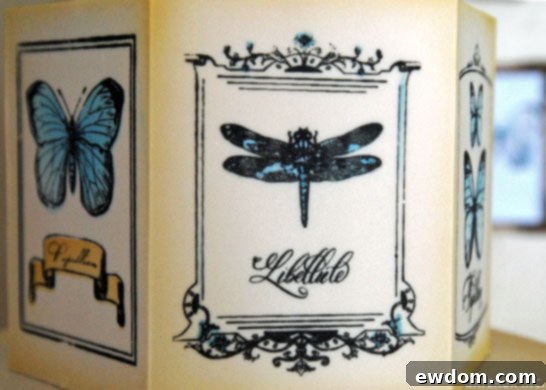

Your Guide to Crafting Exquisite Fondant Butterfly Panels
A Cake Decorating Tutorial by Robin Martin of Gateaux Inc.
Essential Supplies for Your Masterpiece
To embark on this creative journey, gather the following high-quality materials. Having everything prepared beforehand will ensure a smooth and enjoyable decorating experience:
- Premium Quality Fondant (choose a color that complements your vintage theme, such as ecru or ivory)
- Petal Dust or Airbrush Color of your choice (for subtle, aged tones)
- Framed Butterfly Mesh Stencil Set (the key to intricate details)
- Black Royal Icing – thinned to a smooth, spreadable consistency
- Bowl Scraper (essential for clean stencil work)
- Craft Knife or X-Acto Knife (for precise trimming)
- Plastic Wrap (for protection during airbrushing/dusting)
- Masking Tape (for extending stencil edges)
Step-by-Step Vintage Butterfly Panel Tutorial
STEP 1: Preparing Your Fondant Base
Begin by rolling out your chosen fondant to a consistent thickness. Cut a piece that is approximately 1 inch taller and 1 inch wider than the estimated dimensions of the side panels on your crumb-coated hexagon tier. This extra margin provides flexibility for trimming and ensures you have enough surface area to work with. Once your fondant panel is ready, carefully center the masking stencil from your set onto this fondant. This stencil will define the overall shape and boundaries of your beautiful entomology book page design.
STEP 2: Protecting Your Edges
Precision is key in achieving a professional finish. After positioning your masking stencil, cover any exposed edges of the fondant panel with plastic wrap. This crucial step prevents any accidental overspray from your airbrush or stray dust from your brush from tinting areas outside your intended design. It creates a clean, crisp boundary for your artwork, ensuring only the areas defined by the stencil receive color.
STEP 3: Infusing Color with Precision
Now, it’s time to bring a subtle aged hue to your panels. Using either an airbrush for a smooth, even application or a soft, puffy brush with petal dust, gently tint the open areas within the masking stencil. This initial layer of color will form the background “paper” effect of your entomology book page. Choose a muted, vintage-inspired shade like sepia, light brown, or a very pale blue to enhance the antique aesthetic, applying the color evenly to achieve a seamless blend.
STEP 4: Extending the Stencil Area
To ensure a flawless transfer of your detailed design, you might need to extend the edges of your mesh stencil slightly. Carefully apply masking tape along the periphery of the mesh stencil. This technique provides additional stability, prevents the stencil from shifting during the royal icing application, and helps to create sharp, defined lines, particularly useful when working with larger panels or intricate patterns that extend close to the edges.
STEP 5: Aligned Application of Royal Icing
With your base color dry and your stencil prepared, it’s time for the intricate details. Carefully align the detailed mesh stencil over the previously colored butterfly and banner areas. Precision is paramount here; ensure the stencil is perfectly centered and held firmly in place. Any movement at this stage can distort your design. With a steady hand, gently spread your thinned black royal icing over the stencil, working from one side to the other. The goal is an even, consistent layer that fills all the stencil’s openings.
STEP 6: Even Coverage is Key
Continue spreading the thinned royal icing over the entire area of the mesh stencil. Maintain a light, even pressure to ensure every intricate detail of the butterfly and its Latin name is perfectly transferred. The consistency of your royal icing is vital here; it should be thin enough to spread smoothly without clogging the stencil, yet thick enough not to bleed underneath. Work deliberately but swiftly to avoid drying on the stencil, which could cause tearing when removed.
STEP 7: The Art of Excess Removal
Once the royal icing has covered the stencil, take your bowl scraper and hold it at a slight angle. With a single, smooth, and confident sweep, remove all excess royal icing from the surface of the stencil. This action not only cleans the stencil but also pushes the icing firmly into the design, ensuring crisp lines and preventing blurry edges. The scraper should glide over the stencil, leaving behind only the icing that has settled into the intricate pattern.
STEP 8: The Reveal and Drying Process
This is arguably the most satisfying part! Immediately after scraping, carefully and slowly lift the mesh stencil straight up from the fondant panel. Avoid pulling it sideways, as this can smudge or stretch your delicate design. What will be revealed is a beautifully crisp, detailed illustration, mimicking the elegance of an old book plate. Allow the stenciled panel to dry completely, preferably overnight, in a cool, dry place. This ensures the royal icing hardens fully, preventing any damage during handling and assembly.
STEP 9: Final Assembly and Cake Application
Once all your exquisite panels are stenciled and thoroughly dry, it’s time to prepare your cake. Frost your hexagon tier smoothly in buttercream or ganache, creating a clean canvas for your fondant appliques. Next, using your craft knife, meticulously trim each dried panel to the exact size of each corresponding side of your hexagon cake tier. Precision here ensures a seamless fit. Finally, attach each panel to the cake with a thin, even layer of fresh buttercream or a touch of edible glue. Press gently to adhere, creating a cohesive and stunning vintage masterpiece.
Elevate Your Cake Decorating Skills with Robin Martin
A heartfelt thank you goes out to the incredibly talented Robin Martin of Gateaux Inc. for generously sharing her invaluable expertise and teaching us how to create these spectacular, vintage-inspired fondant panels today. Her innovative use of mesh stencils truly opens up a world of possibilities for intricate cake designs, inspiring us all to embrace the art of stenciling. We hope this comprehensive tutorial empowers you to try these techniques in your own kitchen, adding unparalleled elegance to your confectionery creations. Remember, practice makes perfect, and the results are truly rewarding.
For those who are just joining us, or if you wish to perfect the other key elements of this design, make sure to hop back to this post to learn how to create the charming and surprisingly easy 3-D stenciled butterflies that adorn the top of this gorgeous cake. You can find Robin’s detailed, step-by-step tutorial for the butterflies, complete with a short, instructive video clip showcasing the stencil in action, right here. Dive into both parts of this tutorial, and you’ll have all the knowledge to recreate this magnificent Vintage Butterfly Cake, piece by stunning piece.
Vendors & Creative Credits
Cake Design & Creation: Gateaux Inc. (Led by the masterful Robin Martin)
Framed Butterfly Mesh Stencil Set: Evil Cake Genius