Whimsical Garden Cupcakes: A Delightful Springtime Treat
As winter’s chill fades and the world awakens, there’s an undeniable magic in the air. Spring arrives with its promise of new beginnings, vibrant colors, and the sweet serenade of birdsong. The days grow longer, the sun feels warmer on your skin, and the urge to shed heavy layers for light, airy clothes – perhaps even a pair of gardening gloves – becomes irresistible. This season of renewal is simply begging to be celebrated, and what better way to capture its essence than through a batch of enchanting, edible garden-themed cupcakes? Perfect for your upcoming Easter gatherings, Mother’s Day brunch, or any springtime celebration, these garden cupcakes promise to be the star of your dessert table.
Join us as Mary and Brenda Maher, the creative minds behind Cakegirls, guide you through a step-by-step tutorial to create these adorable spring garden cupcakes. They’ve mastered the art of transforming simple ingredients into miniature works of edible art, proving that impressive results don’t always require complicated techniques. Get ready to cultivate your baking skills and bring a little piece of the garden indoors!
The Secret to Deceptively Simple Garden Decor
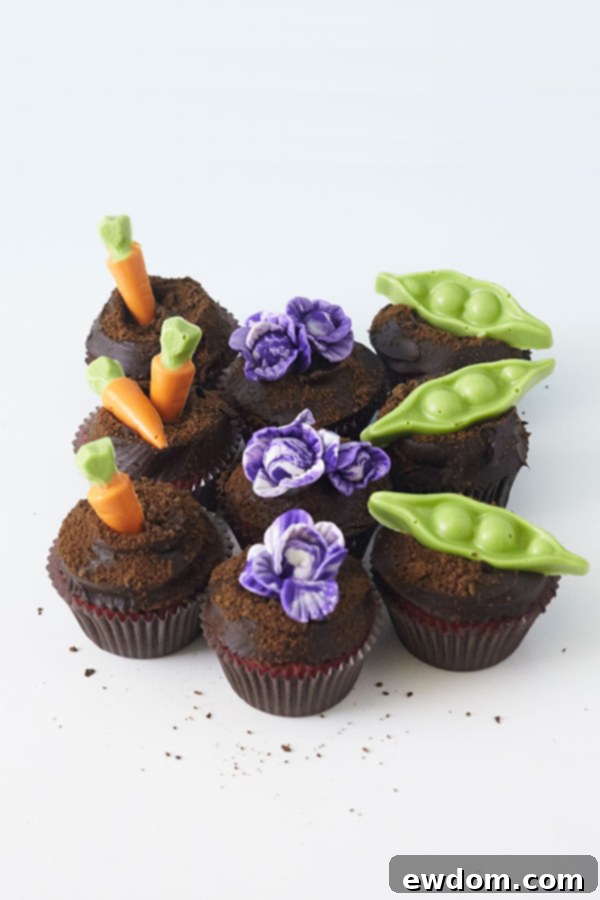
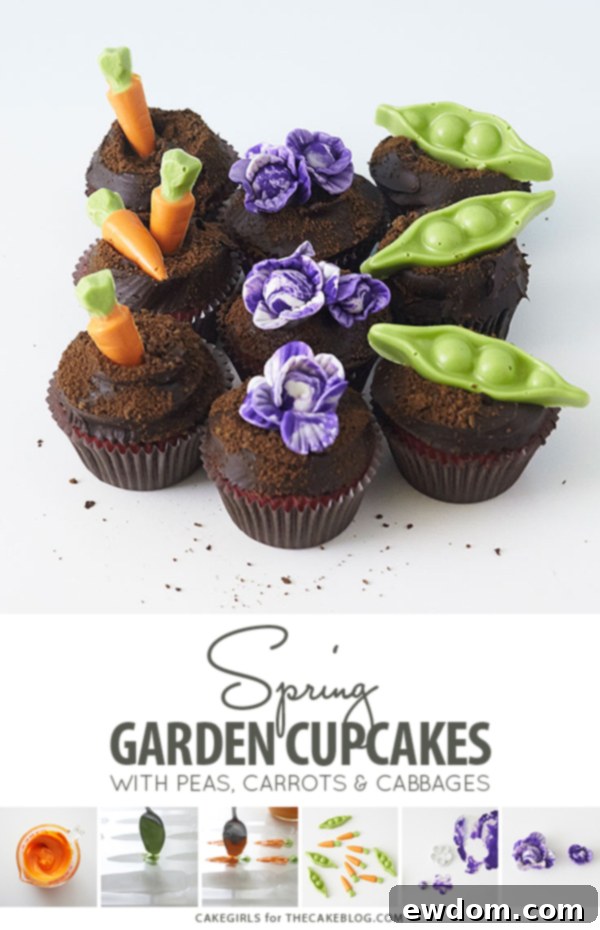
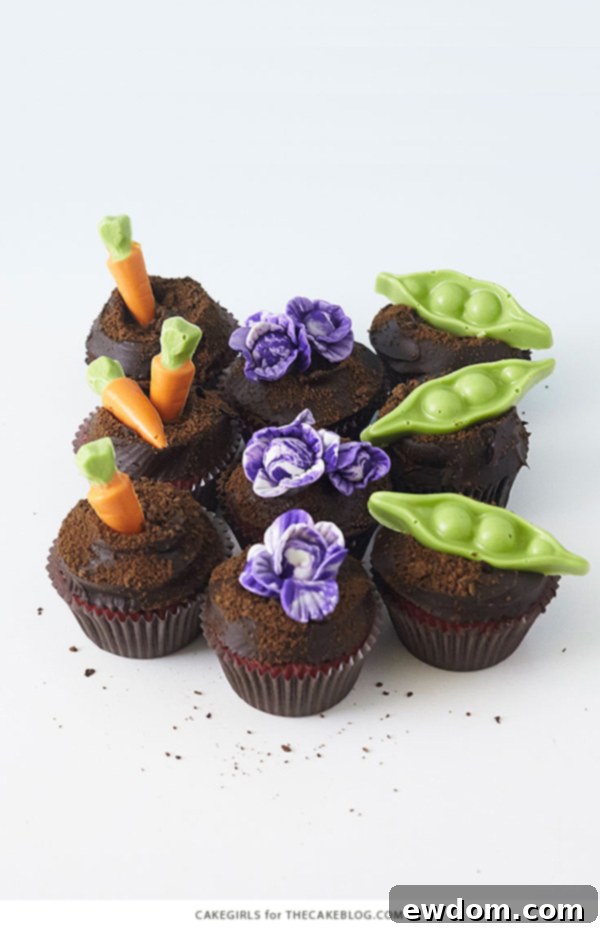
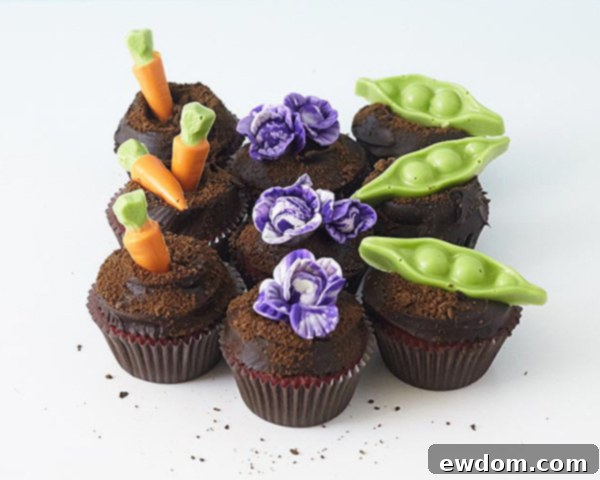
Don’t let the intricate appearance of these cupcakes fool you – they are remarkably simple to create! The beauty lies in cleverly combining readily available tools with basic decorating techniques. Our charming miniature carrots and peas are effortlessly formed using specialized chocolate molds and vibrant melted candy coating. These molds take all the guesswork out of shaping, allowing you to produce perfectly uniform vegetables with minimal effort.
The delightful cabbages, while a touch more hands-on, are equally achievable. A standard set of flower cutters is all you need to create their beautifully ruffled leaves, which are then artfully wrapped around a small fondant base. Marbling purple and white fondant adds a realistic depth and texture, making each tiny cabbage a miniature masterpiece. One of the greatest advantages of this project is the ability to prepare these charming bite-sized vegetable toppers days in advance. Simply store them in an airtight container in a cool, dry place, and they’ll be ready to adorn your freshly baked or even store-bought cupcakes whenever you’re ready to assemble your garden.
For the cupcake base, we recommend using your favorite chocolate cupcake recipe, ensuring a rich, decadent flavor profile that complements the sweet toppers. Once frosted with a smooth layer of chocolate buttercream, a sprinkle of crushed chocolate cookie crumbs instantly transforms the surface into realistic, inviting “garden dirt.” With these charming creations, you’ll find that enjoying all your “veggies” has never been this delightful!
GARDEN CUPCAKES: A Step-by-Step Tutorial
A creative guide by Cakegirls
Essential Supplies for Your Edible Garden
- Carrot Chocolate Mold: Specifically designed to create realistic mini carrots.
- Pea Pod Chocolate Mold: For crafting adorable pea pods.
- Orange Candy Coating: Provides the perfect hue for your carrots.
- Green Candy Coating: Ideal for pea pods and carrot tops.
- Purple Fondant: Adds a touch of realistic color variation to your cabbages.
- White Fondant: The base for marbling and creating cabbage leaves.
- 5 Petal Cutter Set: Essential for shaping the cabbage leaves.
- Cupcakes Iced In Chocolate Buttercream and Sprinkled with Cookie Crumbs: Your delicious “dirt” base.
Crafting Your Edible Carrots and Peas
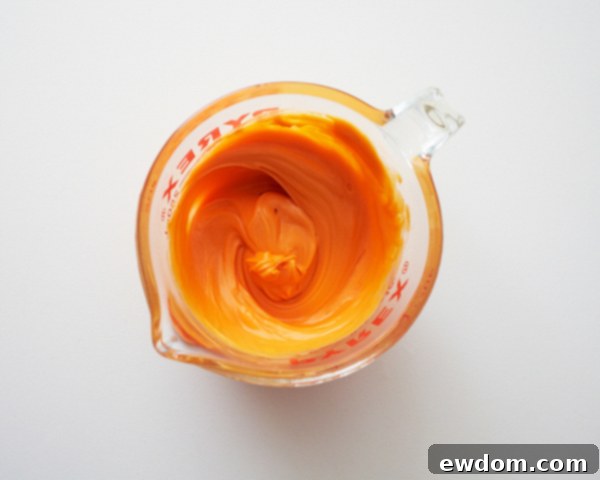
The key to perfect candy melt creations is proper melting. Begin by placing your orange candy coating disks in a microwave-safe bowl. Heat them in the microwave on half power, stirring thoroughly every 30 seconds. Continue this process until the coating is completely smooth and melted, with no lumps remaining. Be careful not to overheat, as this can cause the candy melts to seize and become unusable. Repeat this exact melting process with the green candy coating, ensuring it’s also perfectly smooth and ready for use.
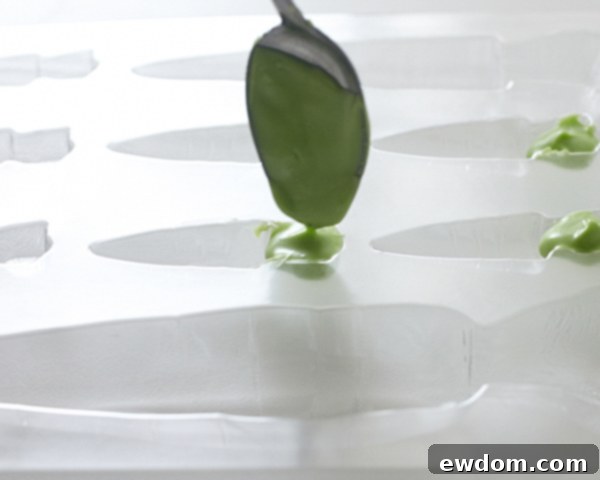
To create the two-toned carrots, carefully spoon a small amount of the melted green candy coating into the very top section of each mini carrot cavity in your chocolate mold. This will form the vibrant green tops of your carrots. Once filled, place the mold into the refrigerator for approximately 5-10 minutes, or until the green coating has completely firmed up. This step is crucial to prevent the colors from bleeding into each other.
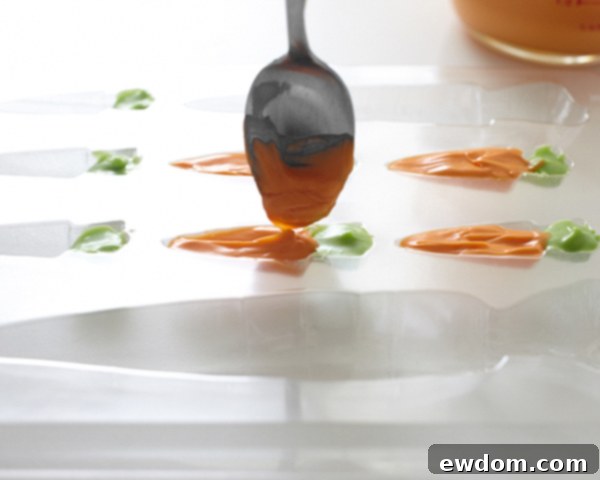
Once the green tops are firm, retrieve the mold. Now, fill the remaining portion of each carrot cavity with the melted orange candy coating. After filling, gently tap the mold against your counter a few times. This simple action helps to release any trapped air bubbles, ensuring your carrots come out perfectly smooth and free of imperfections. For optimal setting, place the mold directly into the FREEZER this time, for 5-10 minutes. The freezer helps the candy coating become very firm, making it much easier to release from the mold without breakage.
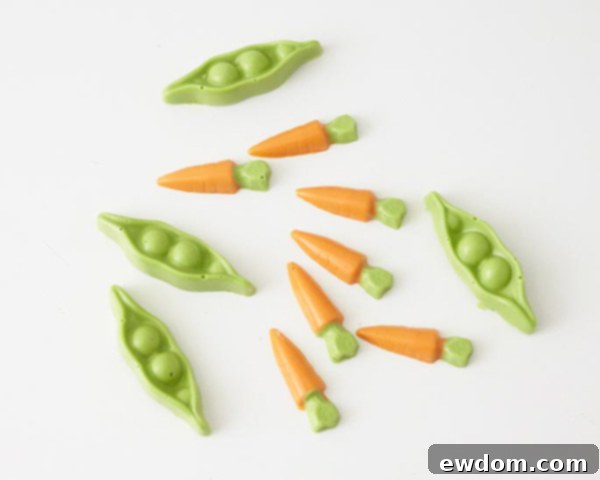
For the delightful pea pods, you’ll follow a similar process. Fill the pea pod chocolate mold exclusively with the green candy coating. Tap the mold on the counter to eliminate any air bubbles, then place it directly into the freezer until completely solid and firm. Once both the carrot and pea molds are solid and very firm to the touch, gently flip them over and carefully pop out your perfectly formed candy vegetables. These delicate pieces are surprisingly robust once set, but always handle them with care.
PRO TIP: These candy-coated carrots and peas can be prepared several days in advance. To maintain their quality and prevent them from melting or sticking, store them in a covered, airtight container in a cool, dry place away from direct sunlight. This makes your cupcake assembly day much smoother!
Creating Realistic Fondant Cabbages
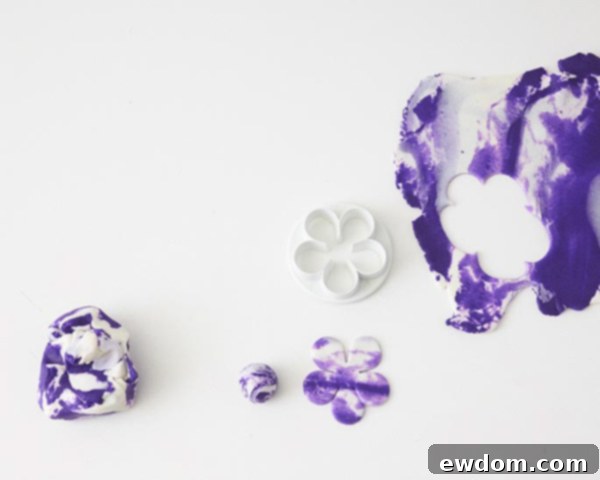
Our charming cabbages derive their realistic look from marbled fondant. Begin by lightly kneading together some white and purple fondant. The key here is to under-mix it intentionally, leaving distinct streaks and a beautiful marbleized effect. This imperfect blending will mimic the natural variegation found in real cabbage leaves. Pinch off a piece of this marbled fondant roughly the size of a gumball and roll it into a smooth ball; this will form the core of your cabbage.
Next, roll out a larger portion of the marbled fondant thinly using a rolling pin. Take the largest cutter from your 5-petal cutter set and use it to cut out a flower shape from the rolled fondant. This flower will serve as the outer leaves of your cabbage.
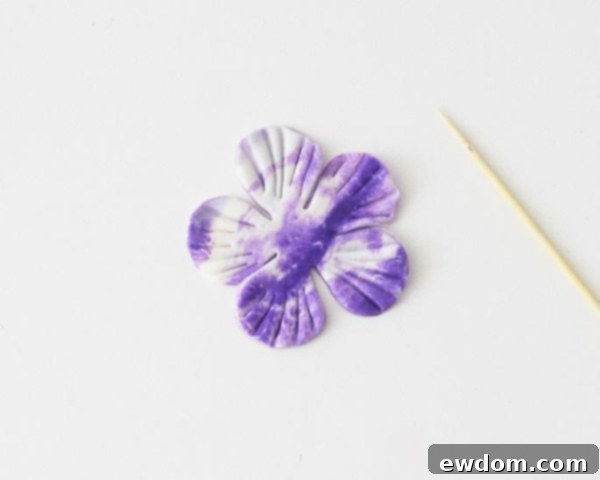
To give the cabbage leaves a more organic, textured appearance, use a toothpick to gently press indentations into each petal of the fondant flower. This technique adds depth and mimics the natural veins and folds of cabbage leaves, making them look far more authentic.
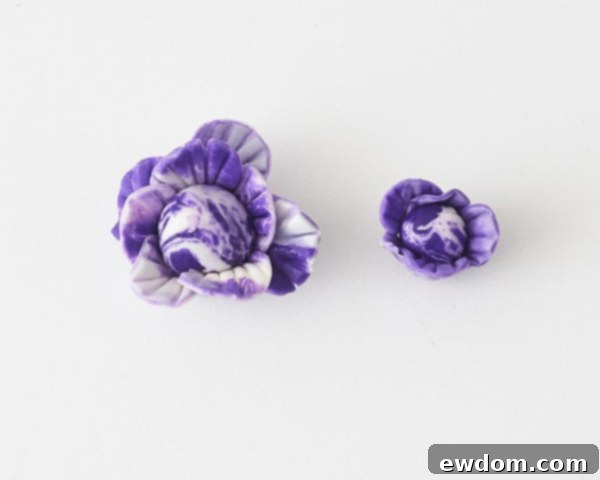
Now, it’s time to assemble your cabbage. Lightly brush a tiny bit of water onto the center of your prepared fondant flower. This acts as a gentle adhesive. Carefully wrap the flower around the gumball-sized fondant ball you created earlier, shaping it to resemble a tightly furled cabbage. To enhance the natural look, create an additional flower using a smaller cutter or by stretching a larger one slightly. Then, use just a few of its individual petals to add to the existing cabbage, layering them strategically to create a more organic, robust appearance. Feel free to vary the sizes of your cabbages by creating smaller fondant balls and utilizing the smaller cutters from your petal set. This variety will add a wonderful dimension to your finished garden cupcakes.
MAKE AHEAD TIP: Just like the candy melts, these fondant cabbages can be made several days in advance. Store them in a covered container in a cool, dry place. Ensure they are fully set before stacking or packaging to prevent any damage.
Assembling Your Cupcake Garden
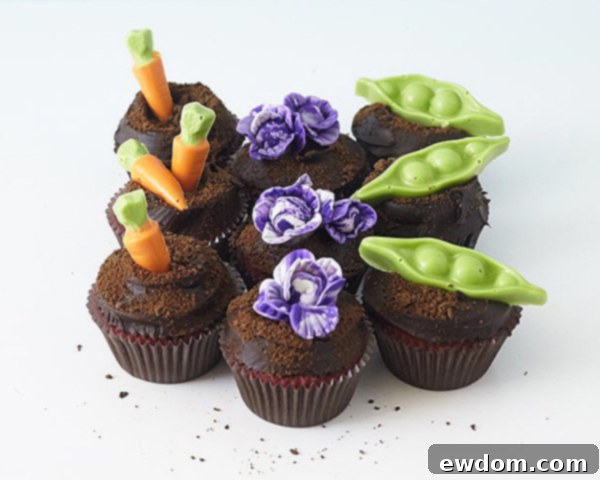
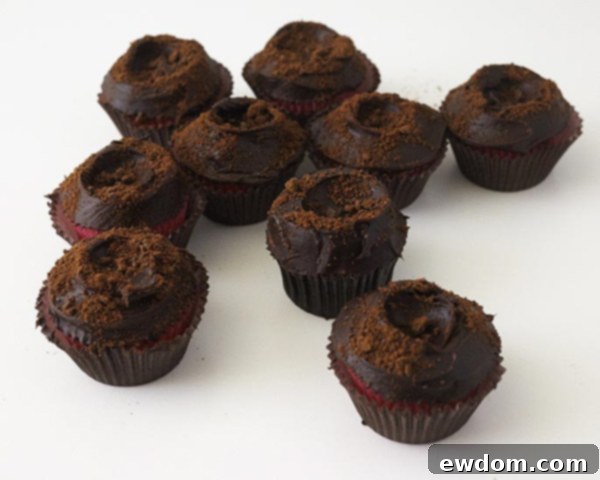
With all your delightful edible veggies prepared, it’s time for the final assembly! Bake your favorite chocolate cupcakes in charming brown liners – these provide a rustic, earthy feel that perfectly suits the garden theme. Once cooled, generously frost them with a luscious chocolate buttercream. Before the frosting sets, use the back of a spoon or your finger to create a small indent in the center of each cupcake; this little “crater” is where your miniature vegetables will be nestled, ensuring they sit securely.
Now for the magic touch: sprinkle the tops of your iced cupcakes liberally with crushed chocolate cookie crumbs. Oreos or any similar chocolate cookie work perfectly. These crumbs not only add a wonderful textural contrast but also brilliantly mimic the appearance of rich, dark garden soil, providing the perfect backdrop for your tiny crops.
Finally, arrange your carefully crafted candy carrots, pea pods, and fondant cabbages on top of the “dirt” surface. Play with different arrangements – a cluster of carrots here, a lone cabbage there, a couple of pea pods peeking out. And voila! You have successfully cultivated your very own batch of charming vegetable garden cupcakes! These delightful treats are not just desserts; they’re miniature edible landscapes that are sure to bring smiles and compliments from everyone who sees and tastes them.
Tips for a Flourishing Cupcake Garden
- Temperature Control is Key: When working with candy melts, precise temperature is crucial. Overheating can make them thick and grainy, while too cool will make them difficult to pour. Always melt on half power and stir frequently.
- Chill Thoroughly: Ensure your candy molds are completely chilled before attempting to de-mold. This prevents breakage and ensures crisp details. A few extra minutes in the freezer can make all the difference.
- Fondant Handling: If your fondant becomes sticky, dust your work surface and hands with a little cornstarch or powdered sugar. If it’s too dry, knead in a tiny bit of vegetable shortening.
- Natural Cabbage Look: Don’t strive for perfection with the cabbages. Real cabbage leaves have imperfections and slight variations, which adds to their charm. The marbled fondant already helps with this!
- Creative “Dirt”: While chocolate cookie crumbs are classic, you could also experiment with crushed graham crackers or even a sprinkle of cocoa powder for a different “dirt” effect.
- Experiment with Veggies: Once you’re comfortable, explore other small candy molds! Tiny mushrooms or radishes could also look adorable in your cupcake garden.
- Presentation Matters: Arrange your finished cupcakes on a rustic wooden board or a platter adorned with a few real spring flowers for an even more enchanting display.
These garden cupcakes are more than just a dessert; they’re an experience. They embody the joy of spring, the charm of handmade treats, and the delight of sharing something truly special with loved ones. Whether you’re an experienced baker or a curious beginner, this tutorial provides all the guidance you need to create a stunning, delicious, and utterly adorable dessert that will be remembered long after the last crumb is gone. So, roll up your sleeves, unleash your inner gardener, and get ready to bake some happiness!
YOU MAY ALSO ENJOY THESE SPRINGTIME TREATS:
- Easter Bunny Garden Cupcakes
- Mini Easter Egg Cakes
- Tiny Flower Pot Cakes
- Sugar Cookie Moss Cake
- Easter Nest Cake