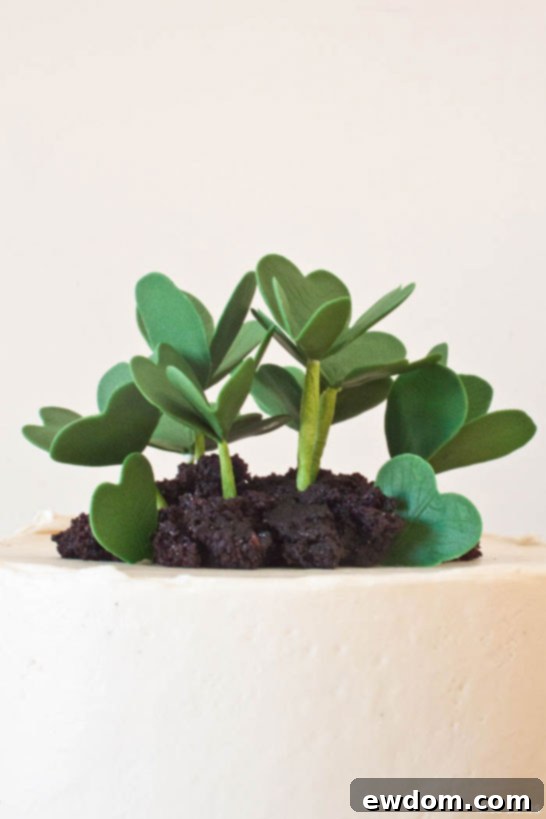
Our esteemed contributor, Miso of Miso Bakes, shares an enchanting new tutorial perfect for celebrating St. Patrick’s Day with a touch of homemade charm and symbolism.
Craft Your Own Lucky Shamrock and Four-Leaf Clover Cake for St. Patrick’s Day
St. Patrick’s Day, a vibrant celebration of Irish heritage and culture, is just around the corner, bringing with it a flurry of green, good cheer, and, of course, delicious treats. For many, this joyous occasion is synonymous with shamrocks and the elusive four-leaf clovers, each carrying its own unique significance. While the four-leaf clover is universally recognized as a potent symbol of luck, its three-leaf counterpart, the shamrock, holds a deeper, perhaps even more profound meaning: happiness.
Many years ago, I encountered a poignant quote that beautifully encapsulated the essence of these two verdant symbols: “People step on happiness to find luck.” This powerful statement struck a chord, reminding us how often we overlook the simple joys in pursuit of grander fortunes. It’s a philosophy that deeply influenced the creation of this year’s St. Patrick’s Day cake, a design intended to honor both happiness and luck in equal measure.
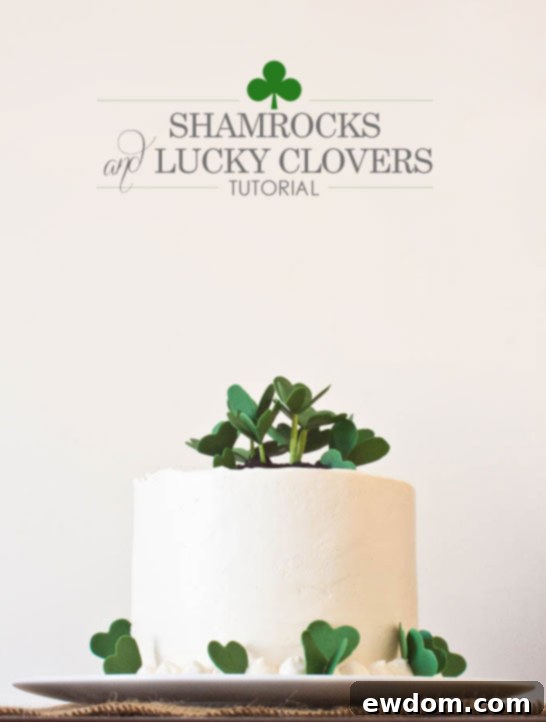
A Cake Symbolizing Joy and Fortune
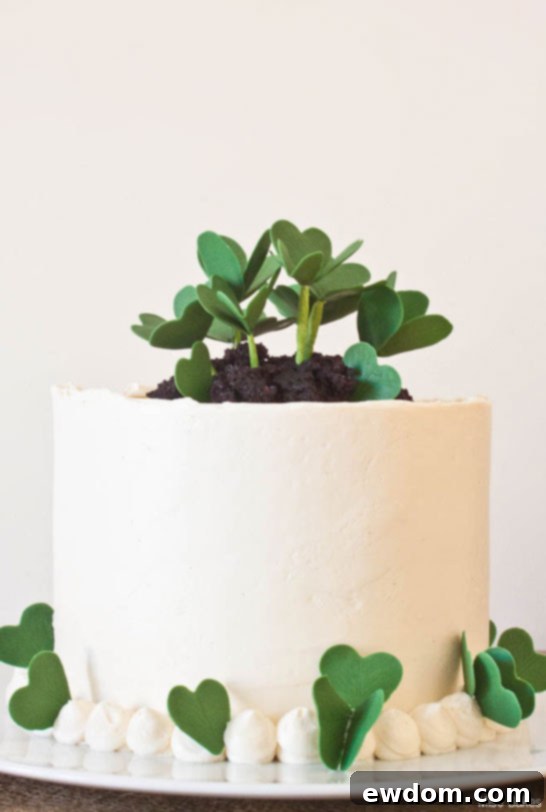
This St. Patrick’s Day, I wanted to create a cake that visually represented this beautiful balance of happiness and luck. The design concept revolved around crafting intricate shamrocks and lucky four-leaf clovers from sugarpaste, then using these edible decorations, alongside carefully crumbled cake scraps, to adorn a celebratory cake. The intention was to achieve a delightfully rustic aesthetic, a look that feels authentic and inviting. Consequently, I intentionally chose not to meticulously clean and smooth the top edges of the cake, allowing its charmingly imperfect character to shine through.
This approach embraces the beauty of natural textures and a homemade feel, reflecting the heartwarming simplicity of genuine happiness. The scattered sugarpaste clovers and cake crumbs evoke a sense of abundance and playful spontaneity, perfectly aligning with the spirit of the holiday.
Now, let’s dive into the creative process! Below you’ll find my detailed, step-by-step tutorial on how to craft these delightful sugarpaste shamrocks and lucky clovers, transforming simple ingredients into charming edible art for your St. Patrick’s Day festivities.
DIY Tutorial: Crafting Sugarpaste Shamrocks and Lucky Clovers
SHAMROCKS & LUCKY CLOVERS CAKE DECORATIONS
DIY by Miso Bakes
Essential Supplies for Your Clover Creation
To embark on this delightful cake decorating project, gather the following tools and ingredients. Each plays a crucial role in achieving beautifully realistic and sturdy edible clovers:
- Green Gumpaste: This is the ideal medium for delicate, lifelike edible flowers and leaves. Gumpaste dries harder and holds its shape better than fondant, allowing you to create thin, intricate petals without them wilting or tearing. Choose a vibrant green for that classic St. Patrick’s Day look.
- Small Heart-Shaped Cutter: The foundational shape for your clover petals. A cutter approximately 1 to 1.5 inches wide is typically perfect for creating clovers suitable for cake and cupcake decorations.
- Rolling Pin: Essential for rolling your gumpaste to an even, consistent thickness. A non-stick rolling pin or one dusted lightly with cornstarch works best.
- Floral Wire (26 gauge recommended): These thin wires provide structural support for your petals, allowing you to position and arrange your clovers elegantly. The 26 gauge is fine enough to be discreet yet sturdy enough to hold the gumpaste. Always remember to inform those eating the cake about any non-edible elements like wires, ensuring they are removed before consumption.
- Ball Tool: A versatile modeling tool with a small ball on the end. It’s used to thin and ruffle the edges of your gumpaste petals, giving them a natural, delicate appearance. If you don’t have a specific ball tool, a small, smooth round object like the back of a paintbrush or a lollipop stick can sometimes work in a pinch.
- Floral Tape: This slightly adhesive, stretchable tape is used to bind the wired petals together and create a sturdy stem. Choose green floral tape to blend seamlessly with your clover design.
- Leaf Veiner: A silicone mold or impression mat designed to imprint realistic vein patterns onto gumpaste leaves. Using a veiner significantly enhances the lifelike quality of your shamrocks and clovers.
- Toothpicks: These are crucial for creating a sturdy, cake-safe stem that can be easily inserted into your cake without damaging the delicate gumpaste wires or making them difficult to remove. They serve as an extension of your floral wire stem.
Step-by-Step Guide to Crafting Perfect Clovers
Follow these detailed instructions to create stunning sugarpaste shamrocks and four-leaf clovers that will elevate your St. Patrick’s Day desserts.
STEP 1: Crafting the Petals with Precision
Begin by rolling out your green gumpaste to an even, thin consistency – roughly 1/16 to 1/8 inch thick. Using your small heart-shaped cutter, carefully cut out three individual green hearts for each shamrock you intend to make. For lucky four-leaf clovers, you will, of course, need four hearts.
Next, take each heart and place it on a foam pad or a soft surface. Using your ball tool, gently thin the curved, top half of each heart. Apply light, even pressure in a circular motion, moving from the center outwards towards the edges. This process will create delicate, ruffled edges, mimicking the natural softness of a clover leaf. If the edges become too ruffled or uneven, gently flatten them out with your fingertip to refine the shape. It’s important to ensure that the bottom, pointed half of each heart remains thick enough to securely insert your floral wires without tearing or weakening the gumpaste.
STEP 2: Imparting Natural Texture with a Veiner
To give your gumpaste petals a realistic touch, it’s time to add natural vein patterns. Take one of your thinned heart petals and gently press it, face down, onto your leaf veiner. I find that placing the petal face down helps to ensure that the prominent center vein of the veiner aligns perfectly with the natural center line of the heart shape, resulting in a more authentic look. Apply gentle, even pressure across the entire surface of the petal to transfer the intricate vein details. Repeat this process for all your petals.
STEP 3: Securing and Drying Your Petals
Now, prepare your floral wires. Dip one tip of a 26-gauge floral wire into a tiny bit of water. This acts as a natural adhesive, helping the wire to grip the gumpaste. Carefully insert the wet tip of the wire into the thicker, pointed base of a heart petal. Insert it about halfway up the petal for good stability. Once the wire is in place, gently pinch the gumpaste at the base of the petal around the wire to seal it tightly. This ensures the petal won’t detach from the wire once dry.
After wiring, lay your petals flat on a drying rack or a piece of foam. It’s crucial to let them dry completely. Unlike some other gumpaste flowers, shamrock petals typically lie flat rather than having a pronounced curve, so drying them flat will maintain their natural appearance. Depending on humidity and gumpaste brand, this can take anywhere from a few hours to overnight. Ensure they are fully firm before proceeding to the next step.
STEP 4: Assembling the Shamrock Structure
Once your wired petals are completely dry and firm, it’s time to bring them together to form the iconic shamrock. Take three wired petals and arrange them so that their pointed bases meet at a central point, forming the classic three-leaf clover shape. Hold them firmly together. Using your green floral tape, begin wrapping around the point where the three wires meet, working your way down the combined stem. Stretch the floral tape slightly as you wrap to activate its adhesive properties and ensure a tight, secure bind.
Continue taping downwards for about an inch or two, creating a unified stem. At this point, you may want to trim a bit of the excess floral wire, leaving about 1 to 1.5 inches of taped stem. This shorter, taped wire stem will serve as the base onto which you will attach a toothpick, making it safe and easy to insert into your cake.
STEP 5: Creating the Cake-Safe Stem
To ensure your beautiful shamrock can be safely and easily inserted into a cake, we need to extend its stem with a toothpick. Take one end of a toothpick and align it with the trimmed, taped wire stem of your shamrock. Using more floral tape, firmly tape the toothpick to the wire stem. Start wrapping from the point where the wire and toothpick meet, and continue wrapping down the length of the toothpick until it is fully covered and securely attached. The toothpick provides a sturdy, food-safe means of inserting your clover into a cake or cupcake without risking wires coming into contact with the edible parts, and it’s also much easier for guests to remove before eating.
STEP 6: Your Shamrock Blooms!
Congratulations! Your three-leaf clover, or shamrock, is now complete! Admire your handiwork – a delicate, lifelike edible decoration ready to grace your St. Patrick’s Day creations. Each petal, carefully thinned and veined, comes together to form a symbol of happiness and Irish charm.
Creating a Lucky Four-Leaf Clover
To create a lucky four-leaf clover, simply follow the exact same steps outlined above, but with one key difference: instead of using three petals, you will use four! Arrange the four wired petals to meet at a central point, tape them together, and attach the toothpick stem as described. This slight alteration transforms your symbol of happiness into a rare emblem of good fortune.
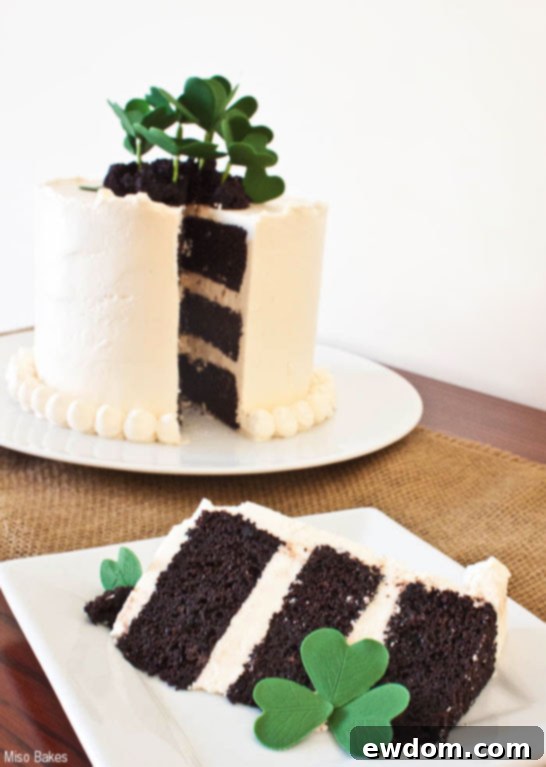
Decorating with Your Edible Clovers: Creative Ideas
Once you’ve crafted a collection of these charming sugarpaste clovers, the possibilities for decoration are endless! You can use them to adorn your magnificent St. Patrick’s Day cake, just as I have, scattering them artfully across the top and sides for a whimsical, rustic effect. They also make fantastic embellishments for cupcakes, providing an instant festive touch to individual servings. Imagine a tray of emerald-green cupcakes, each topped with a delicate, handcrafted shamrock!
Here’s a fun idea that adds an interactive element to your St. Patrick’s Day celebration: bake a batch of shamrocks, mixing in just one or two four-leaf clovers amongst a larger number of three-leaf ones. Then, incorporate these into your cake or cupcakes, discreetly hiding the lucky clovers. As guests pick their slices or cupcakes, they might stumble upon the rare four-leaf clover! The person who finds it could win a special prize, perhaps a small token of good luck, a gift certificate, or even bragging rights for the rest of the day. It’s a delightful way to engage your guests and add an extra layer of excitement to your festivities, perfectly blending the themes of happiness and chance.
Beyond cakes and cupcakes, these versatile gumpaste clovers can also be used to decorate cookies, elaborate dessert platters, or even as decorative elements on individual dessert plates. Their delicate beauty will undoubtedly impress your guests and bring a smile to everyone’s face.
Tips for Success and Storage
- Work in a Dry Environment: Gumpaste is sensitive to humidity. If your environment is humid, work quickly and keep unused gumpaste tightly wrapped to prevent it from drying out.
- Dusting: Lightly dust your work surface and hands with cornstarch or powdered sugar to prevent gumpaste from sticking. Use sparingly to avoid drying out your gumpaste too much.
- Handling Dry Pieces: Once your clovers are dry, they are brittle. Handle them with extreme care to prevent breakage.
- Storage: Fully dried gumpaste clovers can be stored for several weeks, or even months, in an airtight container at room temperature, away from direct sunlight or moisture. Do not refrigerate or freeze gumpaste decorations as condensation can cause them to become sticky or wilt.
- Color Variations: Feel free to experiment with different shades of green, or even add a touch of edible pearl dust or glitter for an extra magical shimmer.
A Sweet Blessing for Your St. Patrick’s Day
Creating these sugarpaste shamrocks and lucky clovers is more than just a cake decorating project; it’s an opportunity to infuse your celebrations with personal meaning and heartfelt wishes. Whether you’re making them to symbolize simple happiness or the thrill of good fortune, these edible adornments are sure to bring joy to your St. Patrick’s Day festivities.
Happy St. Patrick’s Day to all! May your celebrations be filled with the warmth of friendship, the richness of tradition, and an abundance of both happiness and luck. We hope this tutorial inspires you to get creative in your kitchen and share a piece of this delightful tradition with your loved ones.