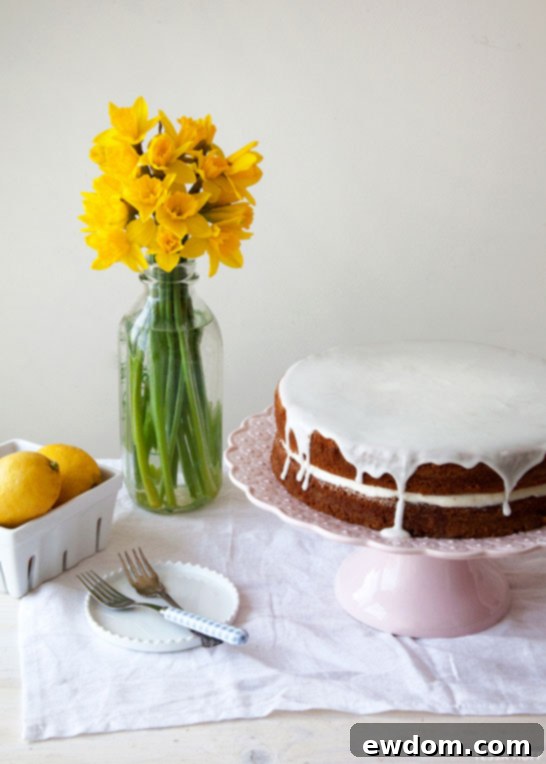
The Epitome of Spring: A Delightful Lemon and Lavender Buttermilk Cake by Tessa Huff
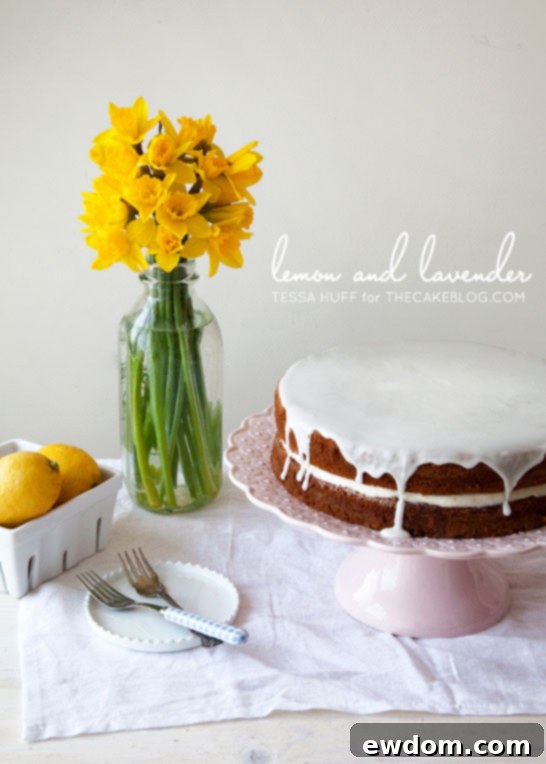
Every now and then, life calls for a moment of simple indulgence. You don’t always need a grand celebration or an elaborate occasion to savor a truly exquisite slice of cake. Sometimes, the sheer delight of a beautifully crafted, understated dessert is all it takes to transform an ordinary afternoon into a cherished memory. In a world often saturated with overly decadent, sprinkle-laden, or caramel-drenched confections, there’s an undeniable charm in embracing the philosophy that less truly can be more. This particular cake, with its fresh, clean, and utterly captivating flavors, embodies that principle perfectly. It’s the quintessential treat to enjoy any day, bringing a touch of refined elegance to your table.
As we fully immerse ourselves in the vibrant spirit of spring, my inspiration has been consistently drawn from the delicate beauty of fresh-cut flowers and the invigorating essence of refreshing flavors. The air grows warmer, carrying the sweet scent of blossoms, and the days stretch longer, bathed in golden sunshine. This seasonal shift sparked a desire to create a cake that mirrored these feelings – light, airy, and bursting with the promise of warm spring afternoons. The result is this magnificent Lemon and Lavender Buttermilk Cake, a confection so bright and harmonious, you might just find yourself wondering if sunshine itself has a flavor.


The Delicate Balance of Flavors and Textures
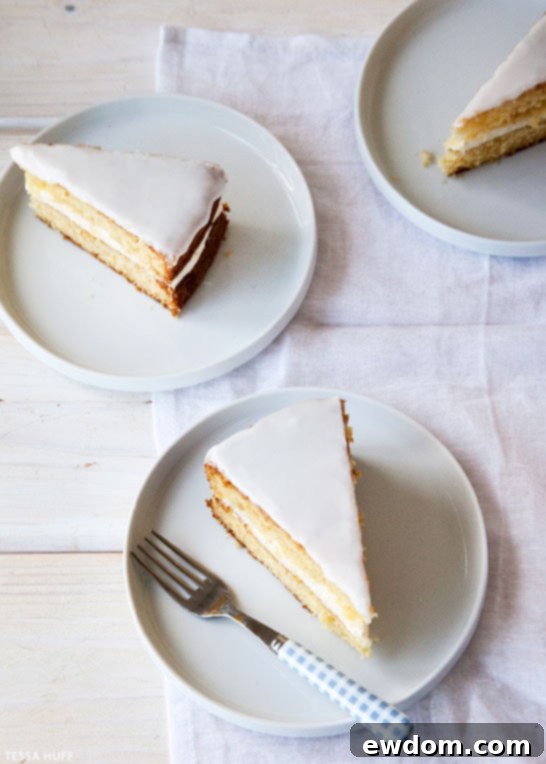
At the heart of this recipe lies a lemon-infused buttermilk cake that is remarkably light and fluffy. Its crumb is so exquisitely delicate that it demands fillings and frostings that complement its airiness rather than weighing it down. To achieve this perfect balance, each cake layer receives a generous soak in a fragrant lavender simple syrup. This subtle floral infusion adds a sophisticated depth without overpowering the bright citrus notes. These moist layers are then generously enrobed with a silky, ethereal lavender buttercream, a dream of a frosting that melts in your mouth.
But the true magic doesn’t stop there. Instead of a heavy, rich frosting that might detract from the cake’s delicate nature, this creation is finished with a sweet, tangy lemon glaze. This simple yet effective topping provides just the right amount of brightness and a beautiful, glistening sheen. Imagine enjoying this type of cake – perhaps a slender slice, perfectly paired with a cup of freshly brewed tea – while engaging in delightful conversation with friends on a sun-drenched afternoon. It’s more than just a dessert; it’s an experience, a moment of pure culinary bliss that captures the very essence of spring.


The Ultimate Spring Dessert: Lemon & Lavender Buttermilk Cake Recipe
This exquisite recipe, generously shared by our talented contributor Tessa Huff, promises to become a cherished addition to your baking repertoire. Follow these detailed steps to create a cake that’s not only delicious but also a feast for the eyes.
For the Lemon Buttermilk Cake:
- 3 cups all-purpose flour
- 1 tablespoon baking powder
- 3/4 teaspoon salt
- 2 cups granulated sugar
- 1 cup unsalted butter, softened to room temperature
- 3 large eggs + 2 large egg yolks
- Zest of one large lemon (ensure to only get the yellow part, avoiding the white pith)
- 1 teaspoon pure vanilla extract
- 1 1/4 cups buttermilk, at room temperature
- Begin by preheating your oven to 350 degrees Fahrenheit (175°C). Prepare two 9-inch or 10-inch round cake pans by greasing and flouring them, or lining the bottoms with parchment paper. Set them aside. In a medium bowl, sift together the all-purpose flour, baking powder, and salt. Whisk briefly to ensure thorough mixing and set the dry ingredients aside.
- In the bowl of an electric stand mixer fitted with the paddle attachment, beat the softened unsalted butter on medium speed for about 2-3 minutes until it becomes light and creamy. Gradually add in the granulated sugar, continuing to beat for another 3-5 minutes until the mixture is truly light, fluffy, and pale in color. This creaming process incorporates air, which is vital for a tender cake.
- Reduce the mixer speed to low. Add the lemon zest and vanilla extract, mixing until just combined. Then, incorporate the eggs and egg yolks one at a time, allowing each to fully integrate into the batter before adding the next. Scrape down the sides of the bowl after each addition to ensure everything is well mixed.
- Stop the mixer and use a rubber spatula to scrape down the sides and bottom of the bowl thoroughly. This step is crucial for an even batter.
- With the mixer still on low speed, begin adding the dry ingredients alternately with the buttermilk, starting and ending with the dry ingredients. Add about one-third of the dry ingredients, mix until just combined, then add half of the buttermilk, mix, and repeat, finishing with the last third of the dry ingredients. Mix until the batter is just smooth and no streaks of flour remain. Be careful not to overmix, as this can lead to a tough cake.
- Evenly distribute the cake batter between your two prepared cake pans. Bake for 22-24 minutes, or until a wooden skewer or toothpick inserted into the center of the cakes comes out clean. Allow the cakes to cool in the pans for about 10 minutes before inverting them onto a wire rack to cool completely.
For the Lavender Simple Syrup:
- 1 cup water
- 1 cup granulated sugar
- 1 tablespoon culinary lavender (ensure it’s food-grade lavender, not ornamental)
Combine all the ingredients into a medium-small saucepan. Place over medium-high heat and stir constantly until the sugar completely dissolves and the syrup begins to boil. Once boiling, reduce the heat to low and simmer for about 10 minutes, or until the mixture slightly thickens into a syrup consistency. Remove from heat, strain out the lavender buds using a fine-mesh sieve, and let the syrup cool completely. Reserve approximately 1/4 cup of this exquisite syrup for the lavender buttercream.
For the Lavender Buttercream:
- 3 large egg whites
- 3/4 cup + 1 tablespoon granulated sugar
- 1 1/2 cups unsalted butter, softened but still cool to the touch, cut into tablespoons
- 1/2 teaspoon pure vanilla extract
- 1/4 cup cooled lavender simple syrup (reserved from above)
- In the heatproof bowl of an electric mixer (preferably stainless steel), combine the egg whites and granulated sugar. Gently whisk them together by hand until just combined. Fill a medium saucepan with a couple of inches of water and place it over medium heat, bringing it to a simmer. Place the mixing bowl on top of the saucepan, ensuring the bottom of the bowl does not touch the simmering water. This creates a double boiler. While continuously whisking the egg white mixture, heat it until it reaches 160 degrees Fahrenheit (71°C) on a candy thermometer. This pasteurization step is crucial for food safety and a stable meringue.
- Once the desired temperature is reached, carefully remove the bowl from the saucepan and transfer it to your electric mixer. Fit the mixer with the whisk attachment. Beat the hot egg white and sugar mixture on high speed for approximately 7 to 10 minutes, or until the meringue is glossy, holds stiff peaks, and the outside of the bowl has returned to room temperature. This creates a stable Italian meringue.
- Stop the mixer and swap the whisk attachment for the paddle attachment. With the mixer set to medium-low speed, begin adding the softened unsalted butter, a couple of tablespoons at a time. Continue beating until all the butter is incorporated. The mixture may look curdled or soupy at some point – don’t worry, this is normal! Keep beating.
- Once all the butter is in and the mixture starts to come together, add the pure vanilla extract and the reserved 1/4 cup of lavender simple syrup. Increase the mixer speed to medium-high and continue beating for several more minutes until the buttercream transforms into a silky-smooth, light, and airy consistency. If it seems too soft, refrigerate for 10-15 minutes and then re-beat.
For the Lemon Glaze:
- 2 cups confectioners’ sugar, sifted
- 2 tablespoons fresh lemon juice (start with less and add more if needed)
- 1-2 tablespoons milk (any kind, adjust for desired consistency)
In a medium bowl, stir the fresh lemon juice into the sifted confectioners’ sugar until mostly combined. Gradually add the milk, starting with one tablespoon, and mix until the sugar is completely dissolved and your desired pourable consistency is achieved. You want it thick enough to coat the back of a spoon but thin enough to drip elegantly.
For the Assembly:
Once your cake layers are completely cooled, it’s time to bring all these wonderful components together. Place one cake layer on your serving plate or cake stand. Using a pastry brush, generously brush the top of this first cake layer with the lavender simple syrup. This adds incredible moisture and another layer of subtle lavender flavor. Spread an even layer of the lavender buttercream over the top of the syrup-brushed cake. Carefully place the second cake layer on top, ideally placing it upside down for a flat, even surface. Gently spread the lemon glaze over the top of the entire cake, allowing it to naturally drip elegantly over the edges for a rustic yet refined look. Allow the glaze to set for a few minutes before slicing and serving. For the best flavor, allow the cake to sit at room temperature for about an hour before serving.


Tips for Baking Success:
- Room Temperature Ingredients: Ensure your butter, eggs, and buttermilk are at room temperature. This allows them to emulsify properly, creating a smoother batter and a more tender cake crumb.
- Don’t Overmix: After adding the dry ingredients, mix only until just combined. Overmixing develops gluten, leading to a tough, dry cake.
- Culinary Lavender: Always use culinary-grade lavender, as ornamental varieties can be too strong or bitter. A little goes a long way, so don’t be tempted to add more.
- Lemon Zest Power: When zesting the lemon, aim for only the bright yellow part. The white pith underneath is bitter and will negatively impact the flavor.
- Cool Cakes Completely: Before frosting or glazing, ensure your cake layers are absolutely cool. Warm cakes will melt your frosting and glaze, resulting in a mess.
- Storage: This cake can be stored at room temperature for up to two days, covered, or refrigerated for up to 5 days. Bring to room temperature before serving for the best flavor and texture.
This Lemon and Lavender Buttermilk Cake is more than just a dessert; it’s an invitation to pause, breathe, and savor the delicate beauty of fresh, seasonal flavors. It’s a testament to the fact that baking can be an art form, capable of evoking feelings of joy, tranquility, and simple elegance. We encourage you to try this recipe, embrace the art of baking, and share this delightful creation with loved ones. It’s sure to become a cherished centerpiece for any spring gathering or a perfect personal treat on a quiet afternoon.
YOU MAY ALSO ENJOY THESE DELICIOUS CAKE RECIPES:
- Candied Lemon Cake
- Lemon Meringue Cake
- Raspberry Earl Grey Cake
- Orange Creamsicle Cake
- Banana Choco Hazelnut Cake
- Rose Buttercream Cake