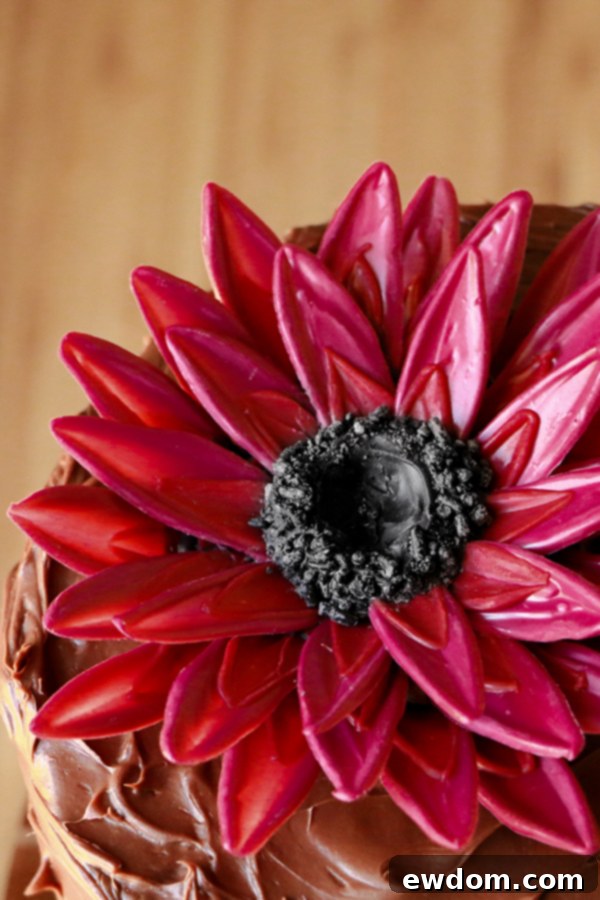
Crafting a Stunning Giant Chocolate Sunflower Cake: An Easy DIY Tutorial
Welcome to an exciting cake decorating journey with our talented contributor, Erin Gardner! Prepare to transform a simple buttercream cake into a breathtaking masterpiece with her latest tutorial. This comprehensive guide will show you how to create a magnificent, oversized chocolate sunflower, perfect for adding a touch of autumnal elegance or vibrant charm to any celebration. Forget intricate piping or specialized equipment; we’ll be using readily available kitchen tools and versatile chocolate candy coating to achieve stunning, professional-looking results. Whether you’re a seasoned baker or just starting out, this DIY chocolate sunflower cake project is designed to be fun, accessible, and incredibly rewarding.
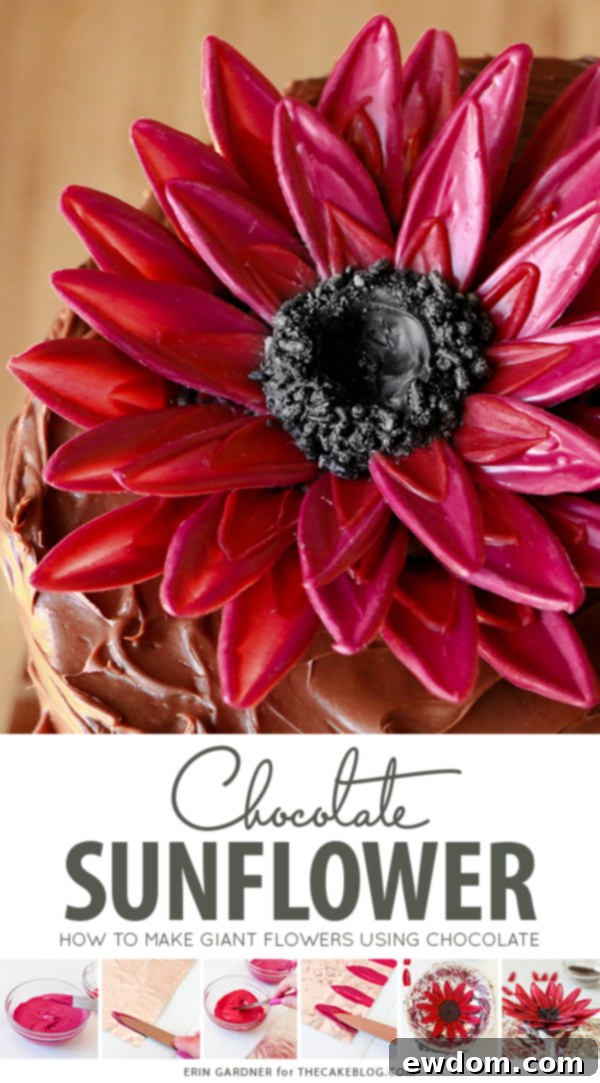
Elevate Your Baking with Edible Chocolate Art
Building on the popularity of her beloved Chocolate Flower Cake concept, Erin Gardner brings us a fresh, fall-inspired take with this spectacular giant chocolate sunflower. Imagine the delight on your guests’ faces when they behold a cake adorned with a lifelike, edible sunflower that looks almost too good to eat! This oversized bloom isn’t just visually striking; it’s also surprisingly simple to create, making it an ideal project for anyone looking to add a “wow” factor to their desserts without spending hours on complex techniques.
The beauty of this method lies in its simplicity and accessibility. You won’t need an arsenal of professional cake decorating tools. Instead, we’ll leverage common kitchen items, transforming everyday ingredients like chocolate candy coating into delicate, detailed petals. This tutorial isn’t just for large cakes; the versatile techniques you’ll learn can easily be scaled down to create charming miniature chocolate sunflowers, perfect for adorning cupcakes, cookies, or even individual dessert servings. Get ready to discover how effortless it can be to craft stunning, edible floral decorations that truly stand out.
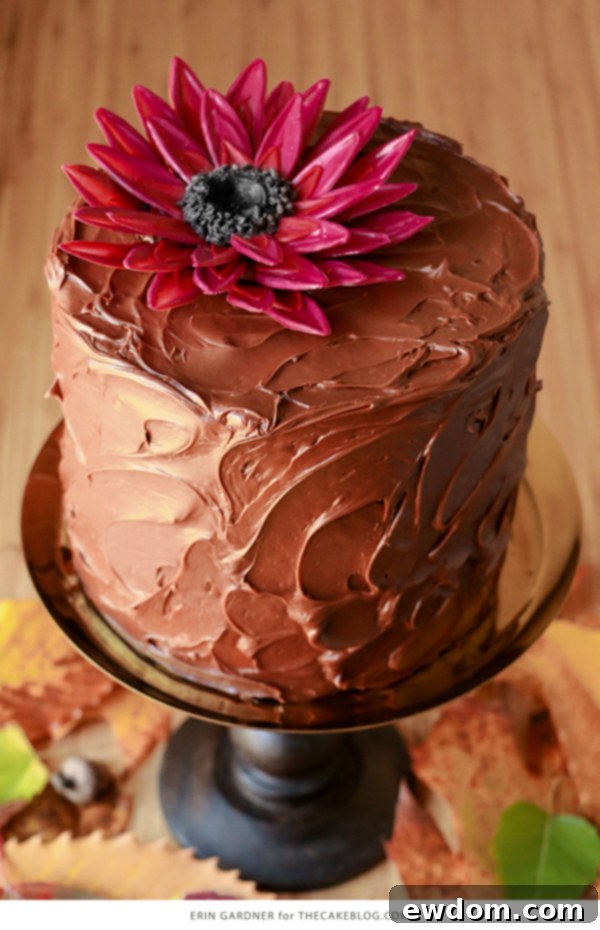
Unleashing Creativity with Custom Color Palettes
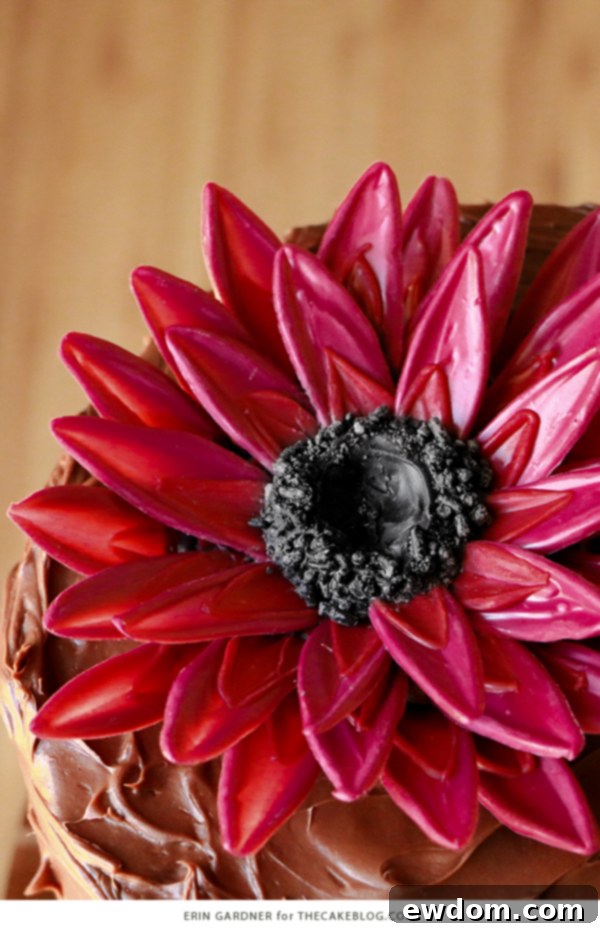
While the iconic vibrant yellow sunflower holds a special place in our hearts, this tutorial encourages you to think outside the box and explore a world of creative possibilities with your chocolate masterpiece. One of the easiest ways to imbue your cake with a unique personality is by opting for an unconventional color palette. Erin’s stunning example showcases gorgeous purple and rich burgundy jewel tones, proving that sunflowers don’t have to be yellow to be breathtaking. Imagine the elegance of a sunflower crafted with deep blues and teals, or the rustic charm of one in earthy browns and creams. The only limit is your imagination!
Consider creating striking two-toned petals to add depth and visual interest. Picture petals with bases of burnt orange transitioning into warm ochre tips, or even subtle shades of forest green paired with a deeper brown for a truly unique botanical statement. The technique allows for endless experimentation, letting you tailor your chocolate sunflower to any theme, season, or personal preference.
Choosing Your Chocolate Base: Candy Coating vs. Tempered Chocolate
For this project, you have two excellent choices for your edible petals: high-quality tempered white chocolate tinted with vibrant cocoa butters, or the more accessible and user-friendly chocolate candy coating (often referred to as candy melts or confectionery coating). Both options yield beautiful results, allowing you to create delicate, firm petals that hold their shape.
Chocolate Candy Coating: This is an incredibly convenient option, particularly for beginners, as it doesn’t require tempering. It melts smoothly and sets quickly, making the petal creation process much simpler. You might initially find candy coating predominantly in bright, primary colors or soft pastels. However, don’t let this deter you from achieving sophisticated hues! A simple trick is to add a few black or dark brown candy coating chips to your melted colored coating. Stir continuously until they are fully melted and incorporated. This instantly deepens the shade, creating rich, chic, and custom colors like dusty rose, muted teal, or sophisticated eggplant – perfect for Erin’s jewel-toned aesthetic or your own unique vision.
Tempered White Chocolate: For those with more experience working with chocolate, using properly tempered white chocolate tinted with cocoa butters offers a luxurious finish and a superior snap. Tempering ensures the chocolate is stable, shiny, and resistant to blooming (white streaks). While it requires a bit more technical skill, the results are undeniably premium. Whichever base you choose, ensure it’s of good quality to ensure smooth melting and a beautiful finished product.
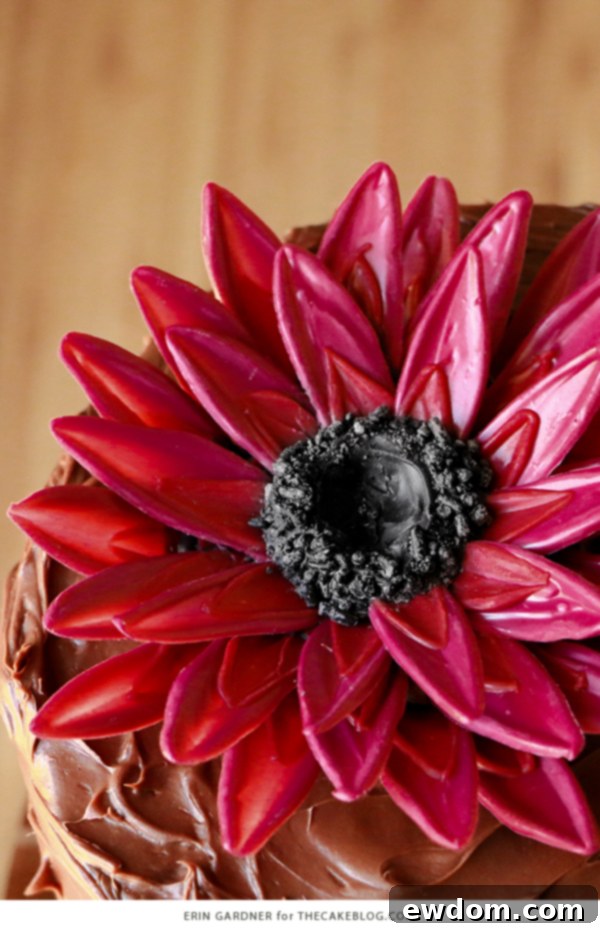
Essential Supplies for Your Chocolate Sunflower Project
Gathering your tools and ingredients before you begin will ensure a smooth and enjoyable crafting experience. Here’s what you’ll need to create your magnificent chocolate sunflower, a tutorial by Erin Gardner:
- Buttercream Iced Cake: Your canvas! Ensure your cake is fully cooled and iced smoothly before you begin. A sturdy buttercream allows the finished chocolate flower to adhere securely.
- Chocolate or Candy Coating: Approximately 1 cup each of your chosen main petal colors (e.g., red, purple, and an additional black for deepening colors and the flower center). Opt for high-quality candy melts for best results in terms of melting consistency and setting.
- Black Jimmies Sprinkles or Black Sugar Sparkles: (Jimmies or Sugar Sparkles) These will create the realistic texture for the sunflower’s center. If using jimmies, you’ll crush them for a finer look.
- Small Heatproof Bowls or Round Plastic Containers: Essential for melting your chocolate and for assembling the flower. Microwave-safe bowls are recommended.
- Spoon: For melting, stirring, and applying chocolate.
- Heavy Duty Aluminum Foil: This is your secret weapon for shaping and setting the petals. Ensure it’s robust enough to hold its shape.
- Rolling Pin: Handy for crushing sprinkles to achieve the desired texture for the flower’s center.
- Paring Knife: A small, sharp paring knife with a flat side is crucial for forming the delicate chocolate petals. Make sure it’s clean and dry.
- Paper Towels: For wiping your knife clean between colors and applications, preventing color contamination.
- Optional: Small offset spatula for alternative petal shaping, a toothpick for fine adjustments.
Step-by-Step Guide: Crafting Your Chocolate Sunflower
Follow these detailed instructions carefully to create stunning chocolate petals and assemble your beautiful sunflower.
Part 1: Preparing Your Petals
Step 1: Prepare the Foil Strips
Begin by tearing off several strips of heavy-duty aluminum foil, each approximately 3 inches wide. These strips will serve as your non-stick surface and shaping molds for the chocolate petals. For a full, lush sunflower, aim to create around 30 individual petals. Each foil strip can comfortably accommodate about 10 petals, so prepare enough strips to lay out all your petals for drying. Lay them flat on a clean, stable surface.
Step 2: Melt and Tint Your Candy Coating
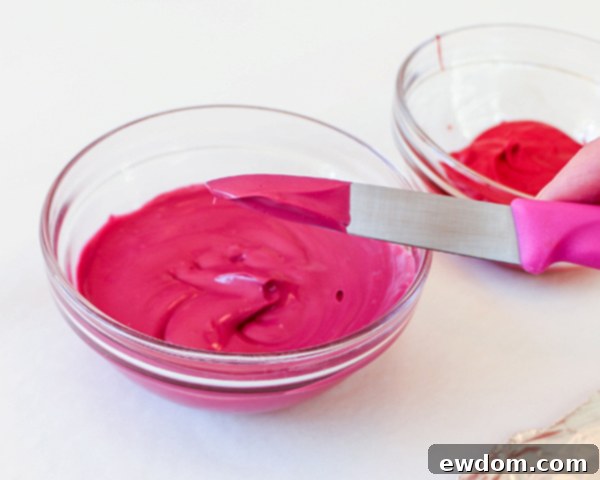
Place your chosen primary candy coating colors (e.g., purple and red) into separate heatproof, microwave-safe bowls. Melt the candy coating slowly and carefully, either in the microwave in 30-second intervals, stirring well after each, or over a double boiler. Be cautious not to overheat the chocolate, as this can cause it to seize or become grainy. Once melted and smooth, add 2-3 black candy coating chips to each bowl of colored chocolate. Stir continuously until the black chips are fully melted and incorporated. This simple addition will subtly deepen and mute your colors, giving them a more sophisticated, jewel-toned appearance, moving away from overly bright hues.
Tip: Keep your melted chocolate warm but not hot. If it starts to harden, microwave for another 10-15 seconds and stir. A slightly thicker consistency is sometimes easier to work with for petals than very thin, runny chocolate.
Step 3: Create the Primary Petal Layer
Take your clean, dry paring knife. Dip the flat side of the knife into the melted purple chocolate (or your chosen base color). Aim to coat about 2 inches of the blade’s flat surface with a generous, even layer of chocolate. Ensure there are no significant drips.
Step 4: Shape the Petals on Foil
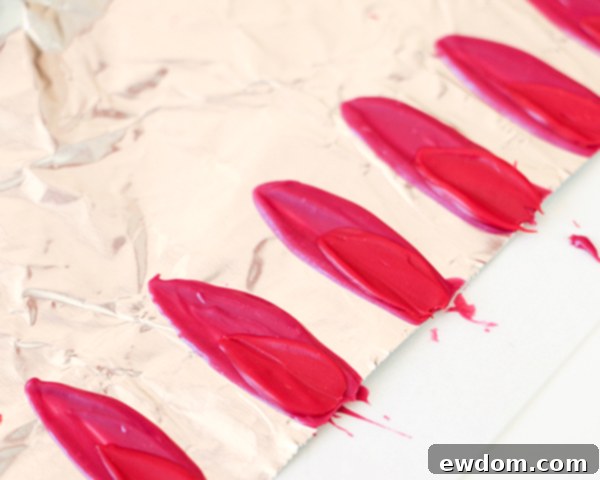
Carefully lay the chocolate-coated side of the knife against one of your prepared aluminum foil strips. Position the bottom edge of the chocolate flush with the edge of the foil. With a gentle, controlled motion, pull the knife away from the foil, smearing the chocolate onto the surface. As you pull, slightly rock the knife back and forth to create a distinct, elongated petal shape. The goal is to achieve a thin but opaque layer of chocolate; you shouldn’t be able to see the foil through the chocolate. If necessary, go back in and add a little more chocolate to refine the shape or fill any thin spots.
Repeat this process to create approximately 15 petals with your primary color. Wipe your knife clean with a paper towel as needed, especially if the chocolate starts to accumulate or become messy. Consistency in shape and thickness will contribute to a beautiful final flower.
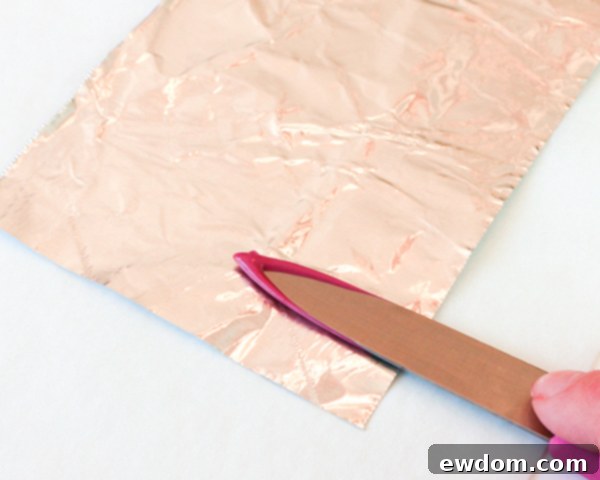
Step 5: Add the Secondary Petal Layer (Two-Toned Effect)
Now, repeat the dipping process with your second color, the melted red chocolate (or your accent color). This time, dip only about 1/4 to 1/2 inch of the knife’s flat side into the chocolate. The goal is to create a smaller, contrasting stripe.
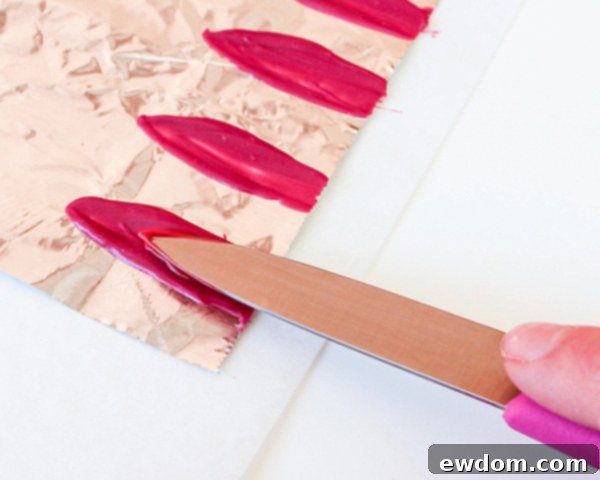
Carefully position the coated edge of the knife against a previously formed purple petal on the foil, aligning the bottom edge of the red chocolate with the base of the purple petal. Just as before, pull and smear the knife to create a second, smaller layer of color on top of the first. This creates a beautiful two-toned effect, adding depth and realism to your sunflower petals.
Repeat this step for all of your primary-colored petals. Allow all the finished petals to sit undisturbed on the foil at room temperature for approximately 10-15 minutes, or until they are completely hardened. You can gently test a corner of a petal to ensure it’s firm before proceeding. If your kitchen is warm, you can briefly place them in the refrigerator to speed up the setting process.
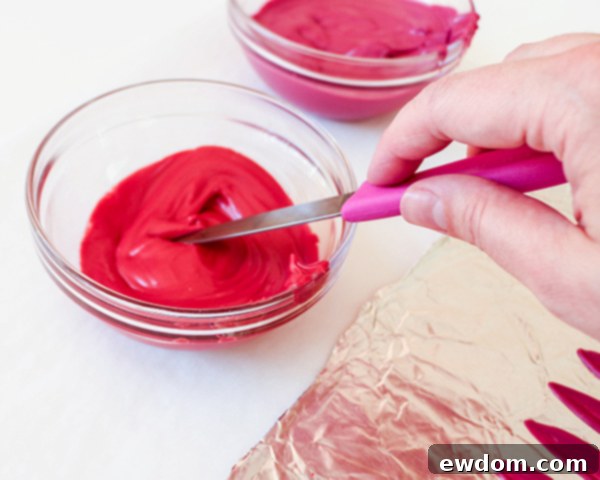
Part 2: Preparing the Sunflower Center Texture
Step 6: Crush Sprinkles for Realistic Texture
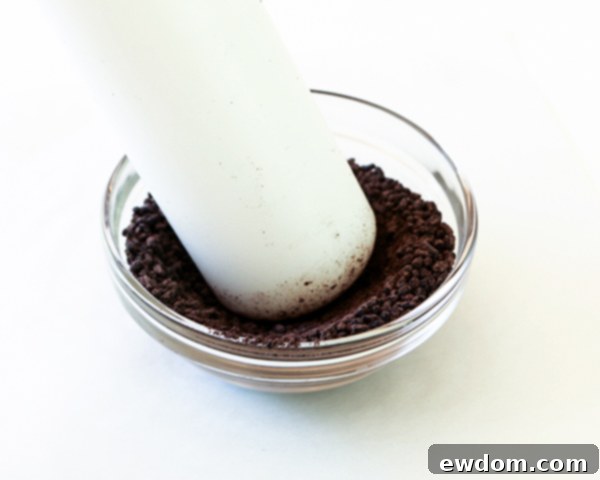
If you’re using black jimmies sprinkles for the sunflower’s center, pour them into a small, sturdy bowl. Take the end of a rolling pin and gently but firmly crush the sprinkles into smaller, irregular pieces. This step is crucial for creating a more organic, seed-like texture reminiscent of a real sunflower’s center. If you’re using black sugar sparkles or black sanding sugar, you can skip this step as they already have the desired fine texture. Set aside the crushed sprinkles until needed.
Part 3: Assembling Your Giant Chocolate Sunflower
Step 7: Prepare the Flower Base
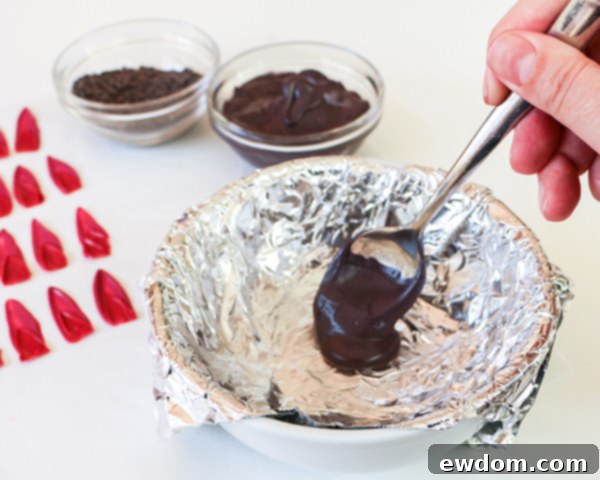
Line another small, round bowl (choose one with a diameter that approximates the size you want for your flower’s center) with a fresh piece of aluminum foil. This foil lining will help you easily remove the fragile chocolate flower once assembled. Melt your black candy coating in a separate heatproof bowl, following the same gentle melting process as before.
Spoon a quarter-sized amount of the melted black chocolate into the very center of the foil-lined bowl. This will serve as the adhesive base for your first layer of petals.
Step 8: Attach the First Layer of Petals
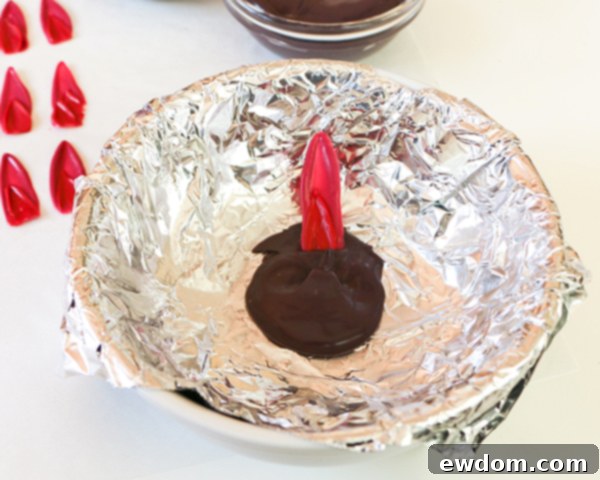
Carefully peel the hardened chocolate petals from the aluminum foil strips you used earlier. Handle them gently, as they can be quite fragile. Take one petal and gently press its flat, wider end into the puddle of melted black chocolate in the bowl. Position the petal so it stands upright, angled slightly outwards to mimic a natural sunflower. Continue placing petals all the way around the central chocolate puddle, overlapping them slightly to create a full, dense first layer. You will use approximately half of your prepared petals for this initial layer.
Tip: Work relatively quickly during this step, as the black chocolate will start to set. If it becomes too firm, you can gently warm the bowl (or the entire assembly) for a few seconds in the microwave to re-soften the chocolate, allowing for better adhesion. Ensure each petal is securely embedded.
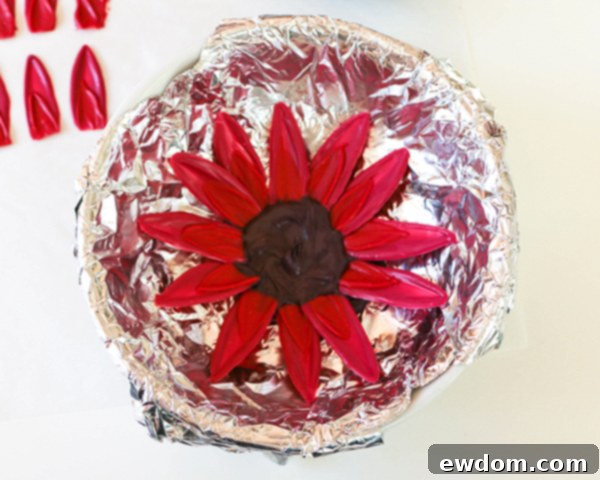
Step 9: Add the Second Layer of Petals
Once your first layer of petals is complete, add another small spoonful of melted black candy coating to the center of your nascent flower. This fresh chocolate will act as the adhesive for your second layer. If the chocolate from the previous step has firmed up too much, you can dip the flat end of each remaining petal into a separate small pool of freshly melted black chocolate before attaching it. This ensures good adhesion.
Repeat the process from Step 8, placing the remaining petals in a second layer. This time, offset them slightly from the first layer’s petals to create a fuller, more natural, and layered appearance. Continue until all your petals are used, or until you achieve your desired fullness. Set the assembled flower aside and allow the chocolate to completely harden, which should take about 10 minutes. This setting time is crucial for the flower’s structural integrity.
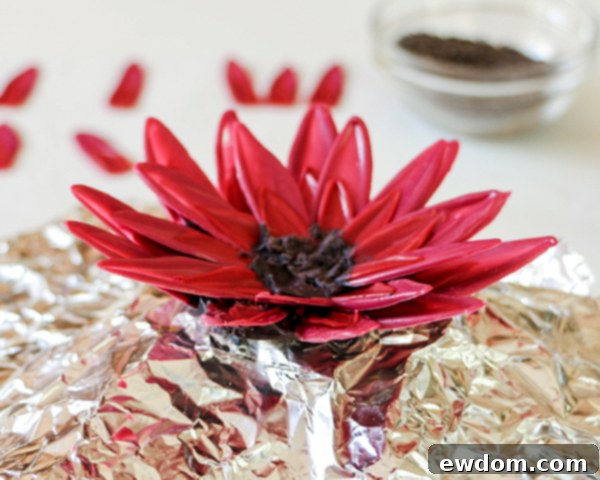
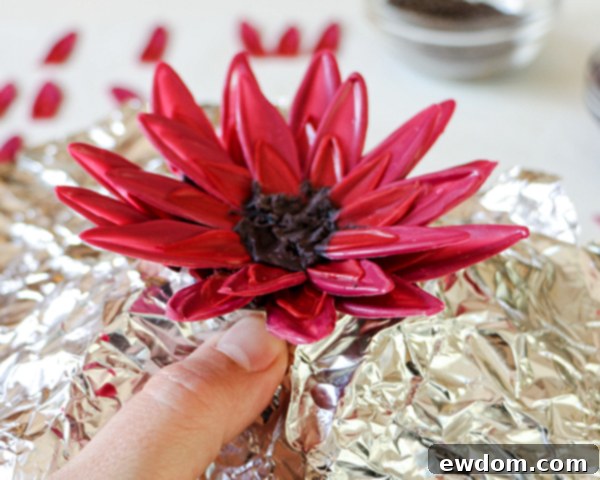
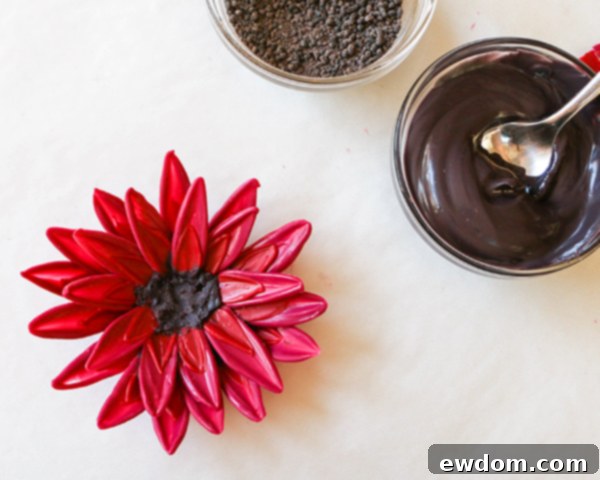
Step 10: Gently Release the Flower
Once the chocolate has fully hardened, carefully lift the aluminum foil lining, with the chocolate flower inside, out of the bowl. Then, gently peel back the sides of the foil from around the flower. It’s imperative to handle the finished chocolate flower with extreme care. Always support it from the bottom or the central base, as the individual petals can be quite delicate and prone to breaking if handled roughly.
Part 4: Creating the Sunflower’s Realistic Center
Step 11: Add the Textured Center
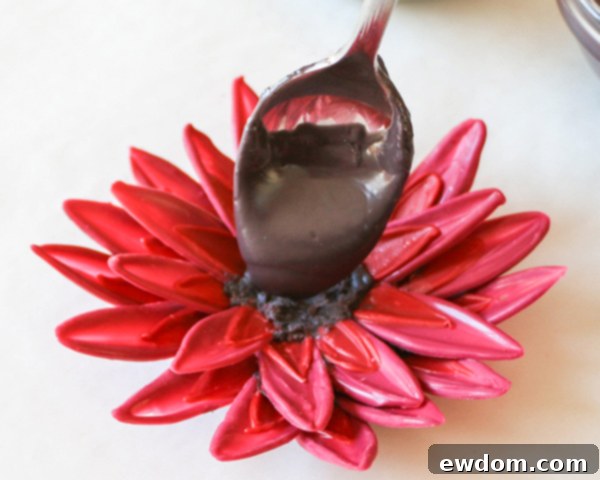
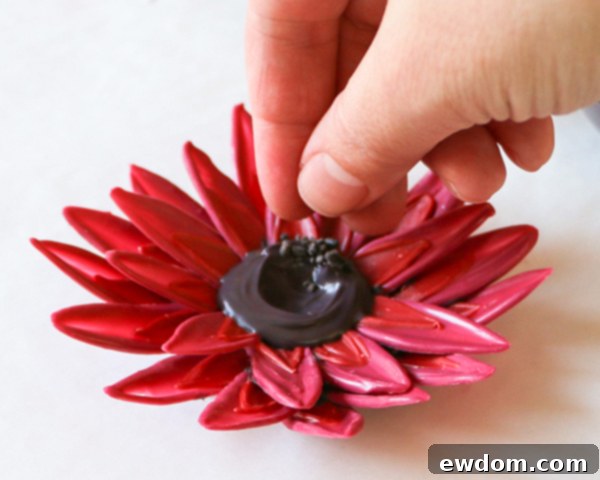
Spoon another quarter-sized (or slightly larger, depending on your desired center size) puddle of freshly melted black candy coating into the very center of your assembled chocolate sunflower. While the chocolate is still wet, use the tip of your spoon or a toothpick to gently create a slight well or indentation in the middle of the puddle. This helps define the center and makes it look more organic.
Immediately and generously dust the outer edges of this wet black chocolate puddle with your crushed black jimmies sprinkles (or sugar sparkles). Press them gently into the chocolate to ensure they adhere well. This creates the signature textured, seed-like appearance of a sunflower’s core. You can add more sprinkles towards the very center if desired, or leave the central well a bit smoother.
Part 5: Final Touches and Display
Step 12: Harden and Place Your Masterpiece
Allow your finished chocolate sunflower to completely harden before attempting to move it. This ensures all components are firmly set. To speed up the hardening process, you can carefully place the entire flower in the refrigerator for a short period (10-15 minutes). However, it’s crucial to avoid long-term storage of chocolate decorations in the refrigerator. The humidity inside can cause the chocolate to “bloom” (develop white, streaky discoloration) and soften its texture, compromising its appearance and crispness.
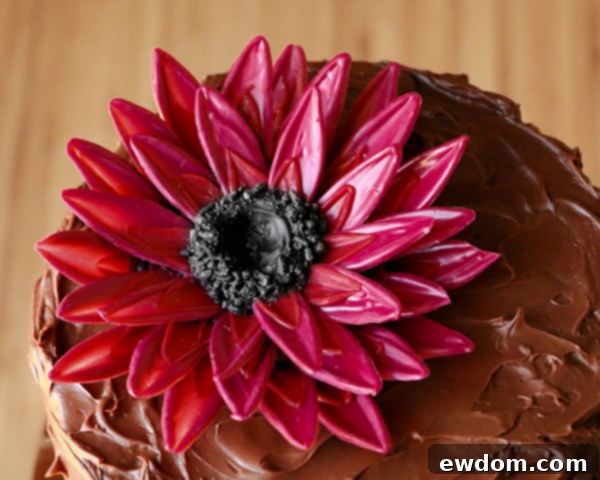
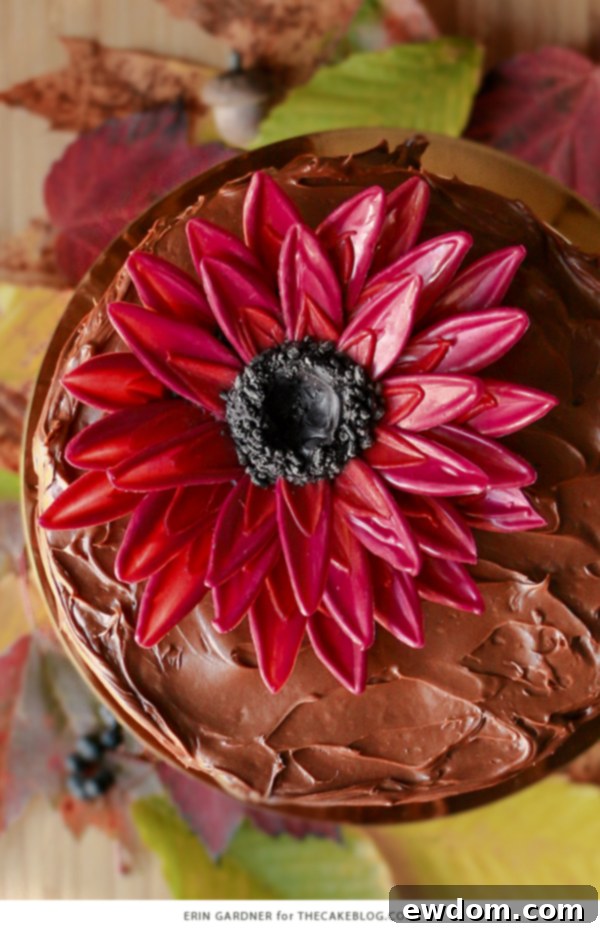
Once fully set, your magnificent chocolate sunflower is ready to adorn your freshly iced cake! Carefully place it on top, positioning it as desired. For an even more lavish and realistic effect, you can strategically tuck any leftover chocolate petals under the edges of the main sunflower. This helps fill in any potential gaps and gives the entire bloom a remarkably fuller, more abundant appearance.
If you’re not planning to use the flower immediately, store it in an airtight container in a cool, dark, and dry place at room temperature. This will preserve its quality and vibrant look until it’s ready for its grand reveal.
Tips for Success and Common Troubleshooting
- Working with Chocolate: Always melt candy coating slowly to prevent scorching. If it becomes too thick, add a tiny bit of shortening or a specialized candy melt thinner, but do so sparingly to avoid making it too oily.
- Handling Petals: Chocolate petals, especially thin ones, are delicate. Handle them with care from the base. If a petal breaks, don’t despair! You can often “glue” it back with a tiny dab of melted chocolate, or simply use it as an “under-petal” to fill gaps.
- Temperature Control: A cooler room temperature (ideally between 68-72°F / 20-22°C) is ideal when working with chocolate. If your kitchen is very warm, your chocolate may take longer to set, or the petals might soften during assembly. Consider using a fan to keep the area cool.
- Experiment with Tools: While a paring knife works perfectly, you can also experiment with small offset spatulas or even the back of a spoon to create different petal textures and shapes. Each tool can yield a slightly different aesthetic.
- Color Blending: For unique ombre effects, try dipping your knife partially in one color, then quickly in another before smearing onto the foil. The brief overlap can create a lovely gradient.
- Consistency is Key: Strive for consistent petal thickness and size for a more uniform and polished final look. Practice makes perfect!
Beyond the Sunflower: Endless Possibilities with Chocolate Flowers
While this tutorial focuses on a stunning giant sunflower, the techniques you’ve learned are incredibly versatile. You can adapt them to create a myriad of other chocolate flowers, allowing your creativity to flourish:
- Miniature Blooms: Use smaller knives or even toothpicks to create tiny petals for cupcakes, cookies, or individual dessert shots. These make charming edible garnishes.
- Different Flower Types: Experiment with different petal shapes and arrangements to create chocolate roses, dahlias, magnolias, or even abstract floral designs. Vary the length and curve of your knife strokes to achieve diverse botanical forms.
- Seasonal Themes: Change your color palette to suit any season – delicate pastels for spring, vibrant brights for summer, rich jewel tones for autumn, or even elegant whites and silvers for winter wonderlands.
- Gift Toppers: Chocolate flowers can also be used to adorn gift boxes, embellish dessert tables, or as standalone edible gifts for special occasions. Present them in small confectionery boxes for a unique handmade touch.
- Cake Side Decor: Instead of just the top, imagine creating smaller chocolate flowers or leaves to decorate the sides of your cake, adding texture and dimension.
Unleash Your Inner Cake Artist!
Creating this giant chocolate sunflower cake is more than just a decorating project; it’s an opportunity to express your creativity and impress with an edible work of art. Erin Gardner’s ingenious technique makes sophisticated cake design accessible to everyone. With a few basic ingredients and a dash of patience, you can transform an ordinary cake into an extraordinary centerpiece that will be remembered long after the last slice is enjoyed.
We encourage you to experiment with colors, shapes, and sizes. Don’t be afraid to make it your own! The joy of baking lies in personal expression, and this chocolate sunflower offers a perfect canvas. Share your magnificent chocolate sunflower cake creations with us online, using relevant hashtags, and inspire other bakers to discover the joy of edible floral art. Happy baking and decorating!
YOU MAY ALSO ENJOY More Chocolate Decorating Tutorials by Erin Gardner:
- DIY Giant Chocolate Flowers
- DIY Chocolate Poinsettia Cake
- DIY Chocolate Daffodils
- DIY Chocolate Floral Wrap
- Chocolate Painted Cake