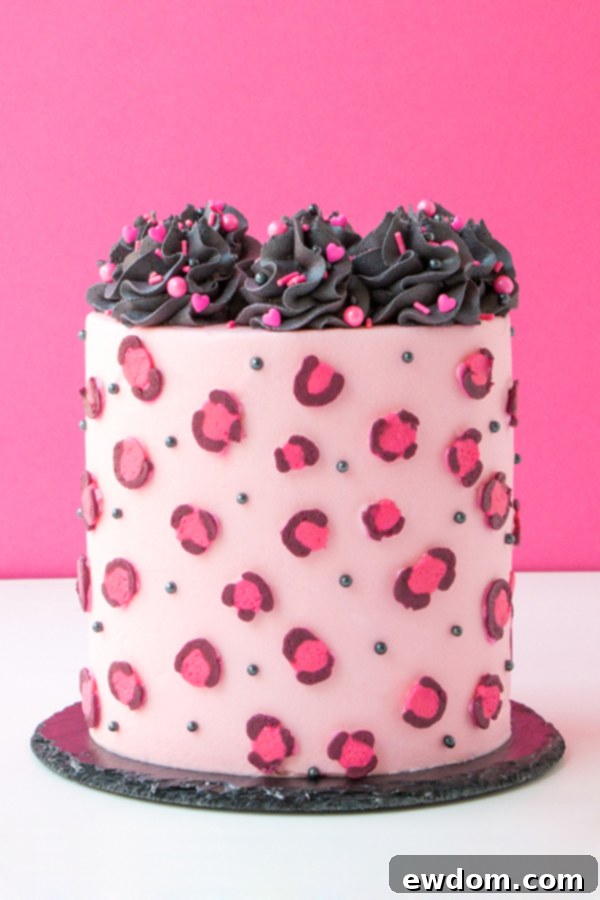
Unleash Your Inner Wild: Crafting a Stunning Pink Leopard Print Buttercream Cake
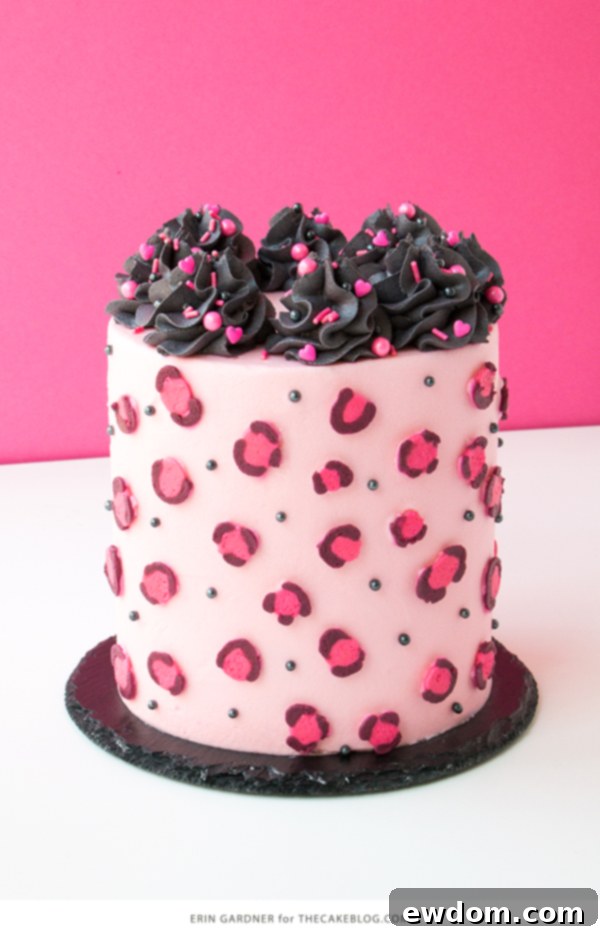
A captivating new cake decorating tutorial by our talented contributor, Erin Gardner, showing you how to create an eye-catching pink leopard print cake using the versatile buttercream frosting technique. Dive into the world of trendy cake design and unleash your creativity!
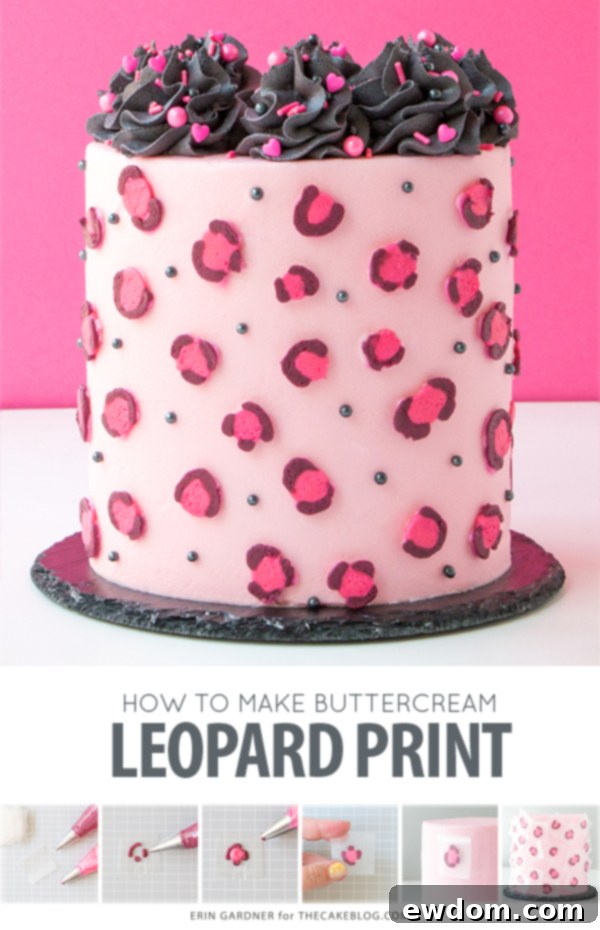
Embrace the Trend: Leopard Print on Your Cake
From high fashion runways to chic home decor, leopard print has made a roaring comeback this year. A quick glance at any stylish offering confirms its resurgence – spots are everywhere, and we are absolutely here for it! For some of us, leopard print never truly went out of style; it’s a timeless classic that adds an instant touch of glam and edge.
As enthusiasts of both fashion and confectionary arts know, trends in clothing and interior design almost inevitably find their way into the world of cake decorating. This year, we’re taking the iconic leopard motif and transforming it into an edible masterpiece that’s as bold as it is beautiful.
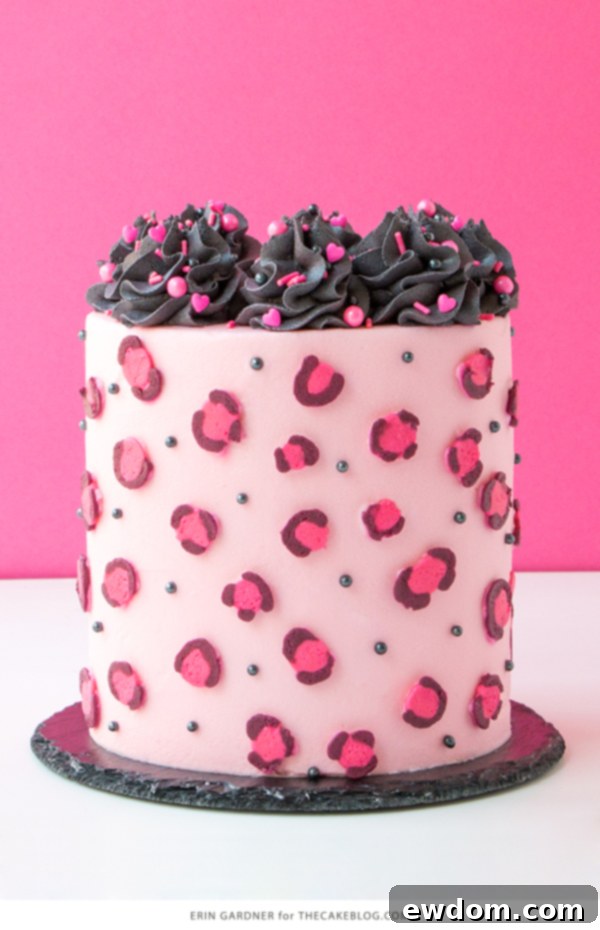
Why Pink? A Fresh Take on a Classic Pattern
When conceptualizing this leopard print cake design, the goal was to create something truly distinctive and memorable. While classic browns and tans offer a sophisticated look, opting for an untraditional color palette brings a fresh, modern twist. Our contributor, Erin Gardner, chose vibrant pinks, a decision that resonates deeply with a nostalgic 90s aesthetic – a playful and energetic era perfectly captured by this whimsical color choice. This unexpected pop of color elevates the design, making it a standout piece for any celebration.
Of course, the beauty of this technique lies in its versatility. If classic leopard print colors are more to your taste, feel free to substitute the pinks for traditional browns, creams, and black. Imagine a sophisticated gold and black leopard print, or a whimsical pastel blue and green version for a baby shower! The possibilities are endless, allowing you to tailor this design to any theme or personal preference.
Mastering the Buttercream Transfer Technique for Flawless Spots
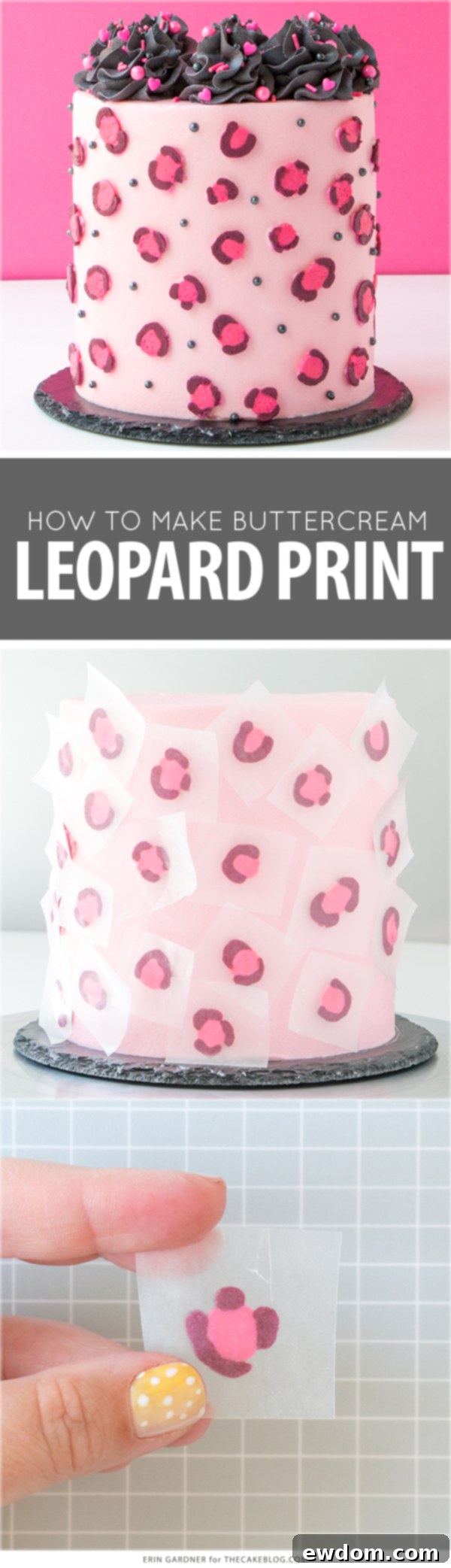
To achieve the crisp, defined, and slightly elevated spots that give this cake its unique texture, we’re employing the buttercream transfer method. This technique involves piping the design onto waxed paper, chilling it until firm, and then carefully transferring the hardened buttercream elements onto the cake. This approach offers several significant advantages:
- Precision and Detail: Piping on a flat surface allows for greater control and accuracy in creating each individual spot.
- Texture and Dimension: The transferred spots will sit slightly proud of the cake’s surface, adding an appealing three-dimensional quality to your design.
- Error Correction Made Easy: If a spot doesn’t turn out quite right, there’s no need to despair or re-frost your entire cake. Simply slide your cake back into the fridge, use the tip of a knife to gently remove the errant spot, and try again. This forgiving method significantly reduces stress for decorators of all skill levels.
While precision is a benefit of this method, remember that the natural look of leopard print thrives on randomness. Don’t get too caught up in making every spot perfectly uniform. Embrace the organic imperfections – the more varied and scattered your spots appear, the more authentic and captivating your finished cake will be.
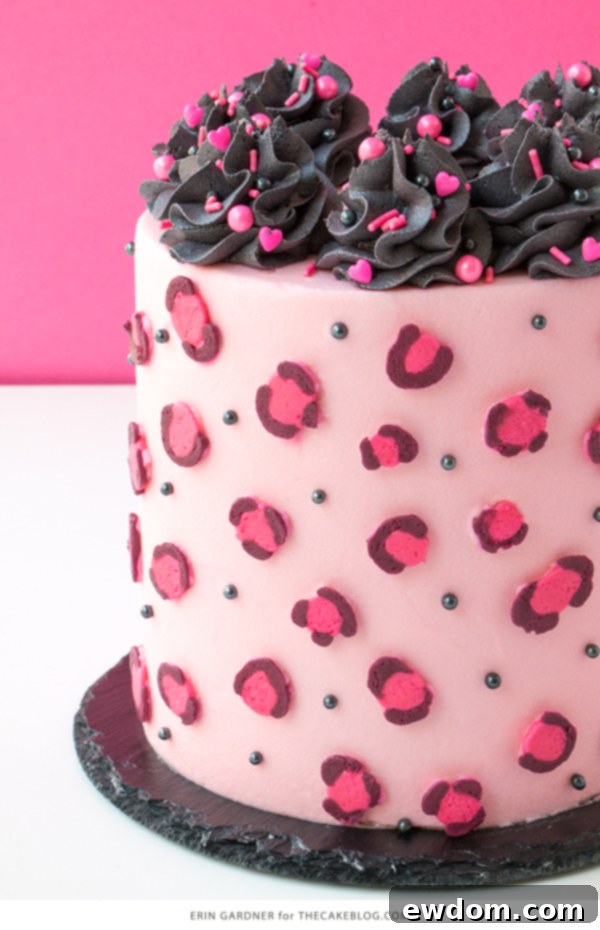
Your Step-by-Step Guide to a Pink Leopard Print Buttercream Cake
This comprehensive tutorial by Erin Gardner will walk you through every stage of creating this stunning leopard print cake, from preparing your buttercream to applying the final elegant touches.
Supplies You’ll Need:
To embark on this exciting cake decorating adventure, gather the following essential tools and ingredients. Having everything ready before you begin will ensure a smooth and enjoyable process.
- Vanilla Buttercream: Approximately 6-7 cups of your favorite stable vanilla buttercream recipe. Ensure it’s smooth and pliable for easy piping.
- Gel Food Colors: For vibrant and concentrated hues without altering buttercream consistency.
- 3 shades of pink gel food colors. Erin used Americolor Soft Pink (for the base cake and backing spots), Fuchsia (for spot centers), and Burgundy (for spot outlines).
- Black gel food color (to create the dark gray border).
- Waxed Paper: A roll of waxed paper is crucial for creating the buttercream transfers. Parchment paper can also work, but waxed paper often peels away more easily.
- Piping Bags: A variety of sizes for different colors of buttercream.
- Small Round Piping Tips: (e.g., Wilton 3, 4, or 5) These are optional but highly recommended for achieving clean, consistent lines and dots for the leopard spots. If you don’t have tips, you can simply snip small openings in your piping bags.
- Large Star Piping Tip: (e.g., Wilton 1M or 21) For piping the decorative border on top of the cake.
- 6-inch Round Cake: A baked and leveled 6-inch round cake, already covered smoothly in soft pink buttercream and thoroughly chilled. Chilling is essential for a firm surface that accepts the transfers cleanly.
- Dark Gray or Silver Sugar Pearls: For adding a touch of elegance and sparkle to your finished design.
- Assorted Pink Sprinkles and Pearls: To complement your pink leopard print and add further visual interest.
Step 1: Gather and Prepare Your Tools and Buttercream
Organization is key to successful cake decorating. Start by getting all your supplies ready.
- Waxed Paper Squares: Cut numerous small squares of waxed paper, approximately 1 to 2 inches in size. These will serve as individual canvases for your leopard spots.
- Tinting Buttercream:
- Take about 1 cup of your vanilla buttercream and tint it with the Soft Pink gel color. This will be used for the base of the spots.
- Tint another cup with Fuchsia gel color. This vibrant pink will form the center of your spots.
- Tint a third cup with Burgundy gel color. This darker pink will create the characteristic outlines of the leopard spots.
- Finally, tint 2 to 3 cups of buttercream with black gel food color to create a rich dark gray. This will be used for the top border of the cake, providing a striking contrast to the pink leopard pattern.
- Filling Piping Bags:
- Fill separate piping bags with the burgundy and soft pink buttercreams. If using tips, fit them with small round piping tips (e.g., Wilton #3 or #4). If not using tips, snip a very small opening at the end of the bags.
- Fill a piping bag with the fuchsia buttercream. Use a slightly larger round tip (e.g., Wilton #5) or cut a slightly larger opening for easier filling of the spot centers.
- Fill a piping bag with the dark gray buttercream, fitted with your large star tip (e.g., Wilton 1M).
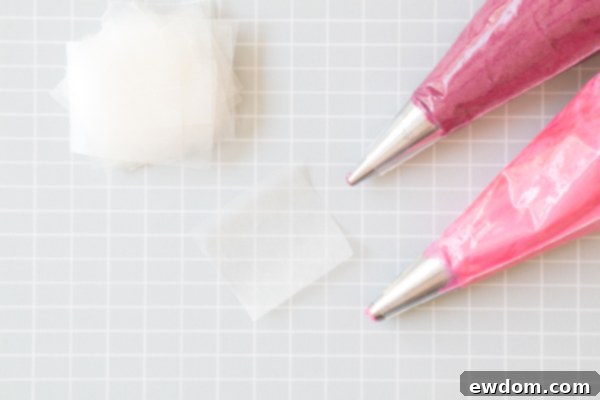
Step 2: Creating Your Buttercream Leopard Spots
This is where the magic begins! Take your time with this step, creating a variety of spot shapes and sizes for a truly organic look.
- Size Matters (but not too much!): You have complete freedom over the size of your leopard spots. For a 6-inch cake, spots ranging from 0.5 to 1 inch in diameter work wonderfully. If you prefer a guide, you can lightly draw circles on the back of your waxed paper squares. However, freehand piping, as Erin did, often results in a more natural and dynamic pattern.
- Piping the Outline: Using the burgundy buttercream fitted with a small round tip (or a finely snipped bag), pipe small, irregular lines, dots, or crescent shapes that roughly outline a small, imperfect circle on each waxed paper square. Remember, leopard spots are rarely perfect circles; embrace the organic, broken ring appearance.
- Filling the Center: Once your burgundy outline is complete, use the fuchsia buttercream (with the slightly larger round tip or opening) to carefully fill in the center of the outlined shape. Ensure the fuchsia buttercream is smooth and level within the burgundy border.
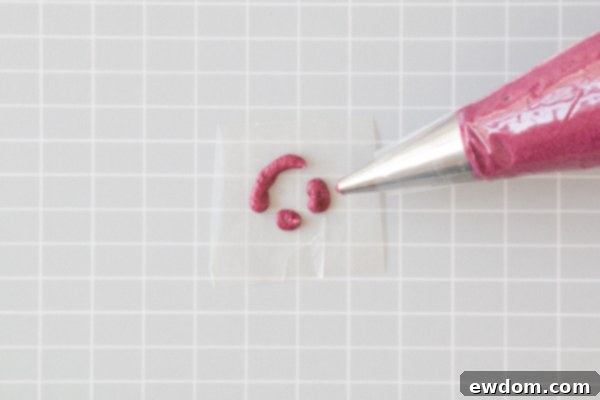
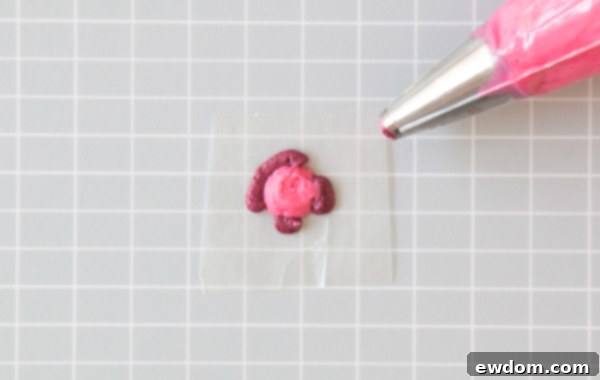
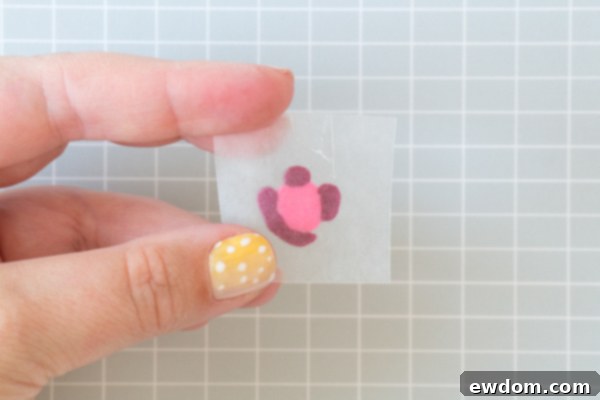
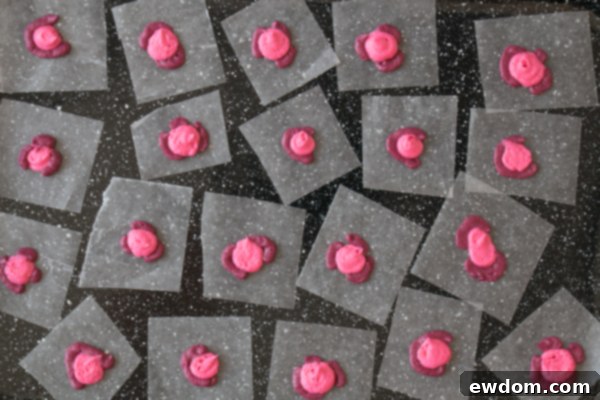
- Chilling the Transfers: As you complete each spot, place the waxed paper square onto a baking sheet. Continue creating spots until you have a sufficient quantity. For a tall 6-inch round cake, Erin made approximately 60 leopard spots. Vary the patterns and shapes of your burgundy outlines to ensure a diverse and authentic look. Once all your spots are piped, transfer the baking sheet into the fridge. Chill them for about 10 minutes, or until they are firm enough to handle without smudging.
Step 3: Assembling Your Spotted Masterpiece
With your beautiful buttercream transfers firm and ready, it’s time to bring your leopard print cake to life!
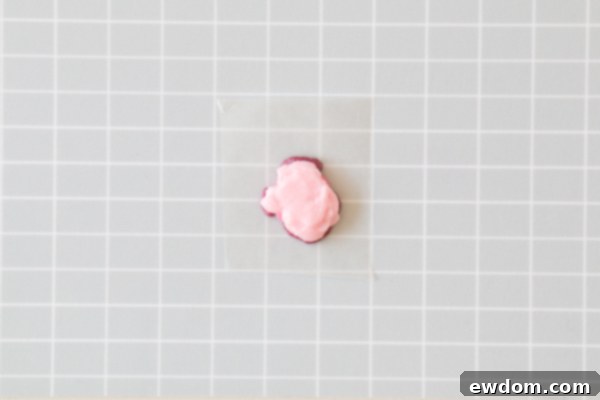
- Backing the Spots: Take your pale pink buttercream (the one you tinted with Soft Pink). On the back of each chilled leopard spot (the side that was resting on the waxed paper), pipe a small, flat layer of this pale pink buttercream. This layer serves two purposes: it helps the spot adhere securely to the cake, and it slightly elevates the spot, adding to the delightful texture and ensuring it sits level on the cake’s curved surface.
- Placing the Spots: Retrieve your chilled, soft pink buttercream-covered cake from the fridge. Begin to press the prepared leopard spots randomly onto the sides of the cake. Resist the urge to create a perfectly uniform pattern; the beauty of leopard print lies in its organic and spontaneous arrangement. Gently smooth your finger over each spot after placement to ensure it makes full contact and adheres well to the cake.
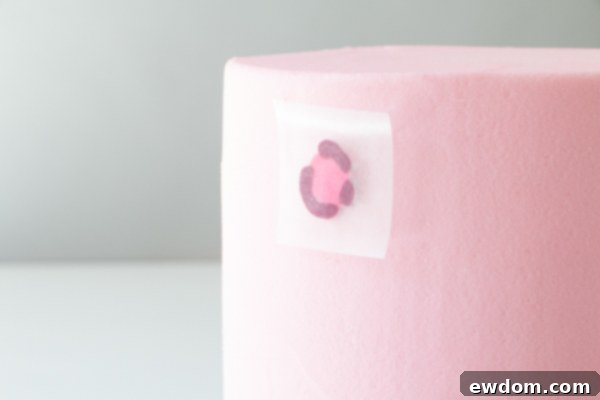
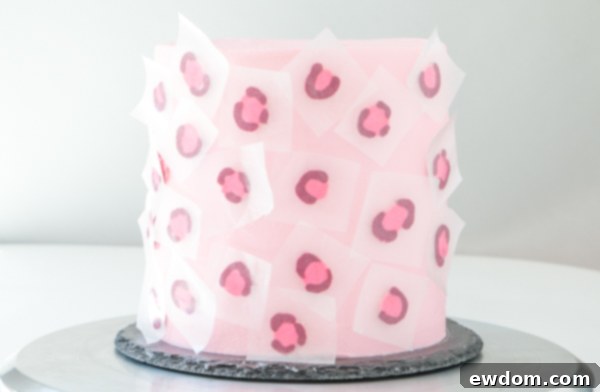
- Chilling and Peeling: Once you’ve applied a good number of spots, return the cake to the fridge for another 10 minutes, or until the spots are firm to the touch. This chilling period is critical for the next step. Carefully begin to peel off the waxed paper backings from each spot. You’ll be left with perfectly formed, raised buttercream leopard spots on your cake! Repeat the entire process (piping new spots, backing, placing, chilling, and peeling) to fill in any remaining bare spaces on the cake, ensuring a dense and complete leopard pattern.
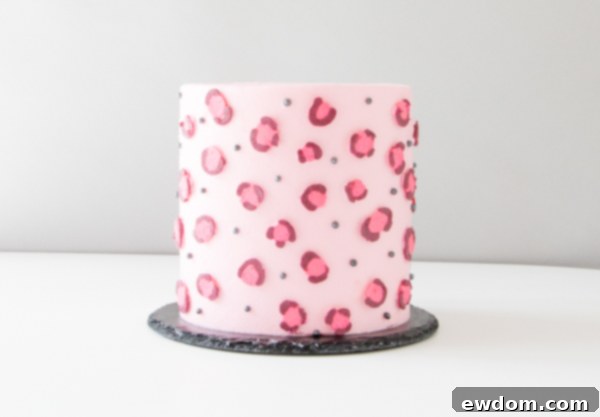
Step 4: The Perfect Finishing Touches
Now it’s time to add the elegant details that complete your professional-looking leopard print cake.
- Piping the Border: Take your dark gray buttercream (in the piping bag fitted with a large star tip) and pipe beautiful swirls or a decorative border around the top edge of the cake. This deep, contrasting color provides a sophisticated frame for your vibrant pink leopard pattern.
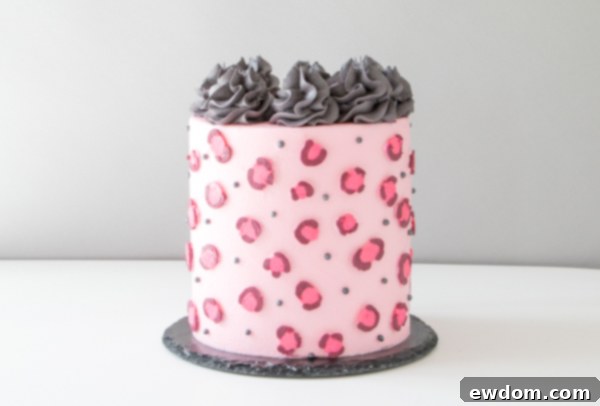
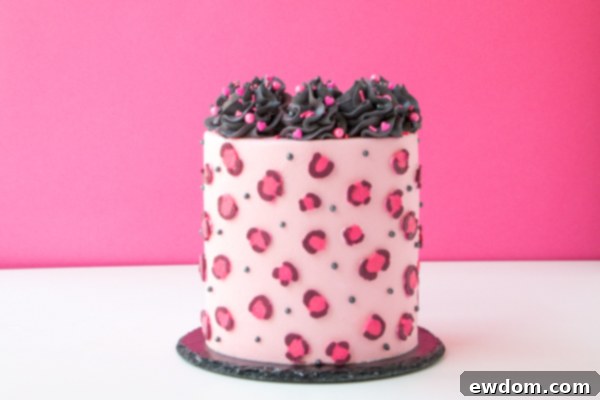
- Adding Sprinkles: Enhance the visual appeal by filling in any small spaces between the leopard spots on the sides of the cake with dark gray or silver sugar pearls. Then, lavishly garnish the dark gray buttercream swirls on top with an assortment of pink sprinkles and pearls. These embellishments add sparkle, texture, and reinforce the cohesive pink color scheme.
Tips for Success and Creative Variations:
- Buttercream Consistency: Ensure your buttercream is at the right consistency – not too soft (which will melt quickly and lose shape) and not too stiff (which will be difficult to pipe smoothly). If it’s too warm, chill it briefly; if too stiff, knead the piping bag gently or add a tiny bit of milk or cream.
- Work in a Cool Environment: Buttercream is sensitive to heat. If your kitchen is warm, work quickly or chill your cake and transfers frequently.
- Practice Makes Perfect: If you’re new to piping, do a few practice spots on a spare piece of waxed paper before committing to your actual transfers.
- Experiment with Colors: Don’t limit yourself to pink! Try classic leopard print tones (chocolate, caramel, cream), or other unexpected vibrant combinations like blues and greens, or even neon hues for a truly wild statement.
- Vary Spot Shapes: Play with different outlines – some more open, some almost closed, some with broken lines. This natural variation adds to the charm of the leopard print.
- Different Cake Sizes: This technique can be scaled up or down for larger or smaller cakes, or even square cakes. Just adjust the number and size of your spots accordingly.
Explore More Trendy Buttercream Cake Designs!
Loved creating this leopard print masterpiece? Continue your decorating journey with these other popular buttercream cake tutorials from The Cake Blog:
- Shag Cake: Master the art of the fluffy, textural shag rug look on a cake.
- Cactus Cake: Bring a desert-inspired charm to your dessert table with this adorable design.
- Buttercream Painted Flowers Cake: Unleash your artistic side with delicate painted floral designs.
- Striped Buttercream Cake: Achieve perfectly clean and crisp stripes for a modern and elegant finish.
- Fairytale Ruffle Cake: Learn to create enchanting and delicate buttercream ruffles fit for a dream.
Whether you’re celebrating a birthday, a special occasion, or simply indulging your passion for baking, this pink leopard print buttercream cake is sure to impress. Happy decorating!