Mastering Egg-Free Baking: Unveiling the Best Egg Alternatives for Delicious Cakes
A groundbreaking baking science experiment by our esteemed contributor, Summer Stone-Polzel, delves into the world of egg substitutes.
The journey into egg-free baking is a path chosen by many for a multitude of compelling reasons. Whether navigating the complexities of allergic reactions, adhering to specific dietary requirements like veganism, or making ethical choices rooted in animal welfare, the demand for delicious eggless baked goods continues to surge. For home bakers and professional chefs alike, the quest for the perfect egg substitute in cakes is an ongoing culinary challenge. While numerous options for egg substitution are available on the market and in your pantry, understanding which one truly performs best – and how – is crucial for achieving superior results. In this comprehensive guide, we will explore the intricate roles eggs play in baking and meticulously evaluate various popular substitutes to help you create truly magnificent egg-free cakes.
Before diving into substitutes, it’s essential to appreciate the multifaceted contributions of eggs in baking. They are not merely an ingredient; they are workhorses performing several critical functions that contribute to the final texture, flavor, and appearance of baked goods. A successful egg replacer must therefore be capable of taking on some or all of these varied roles:
- Binding and Structural Scaffolding: Egg proteins, particularly albumin, coagulate upon heating, forming a stable network that gives cakes their structure and prevents crumbling. They act as the glue holding all ingredients together.
- Adding Moisture: Eggs contain a significant amount of water and fat, contributing to the overall hydration of the batter and preventing dryness in the finished product.
- Fat Provision: The fat in egg yolks adds richness, tenderness, and helps create a fine crumb structure. It contributes to the luxurious mouthfeel of a cake.
- Flavor Enhancement: Eggs impart a subtle yet distinct savory flavor that complements other ingredients, adding depth and complexity to the overall taste profile.
- Emulsification: Lecithin, found abundantly in egg yolks, is a natural emulsifier. It helps to bind oil and water components in a batter, creating a smooth, homogenous mixture and preventing separation, which leads to a more consistent texture.
- Browning (Maillard Reactions): The proteins and sugars in eggs participate in Maillard reactions during baking, contributing to the beautiful golden-brown crust and complex caramelized flavors.
Most viable egg-substitutes aim to fill one or more of these crucial roles that eggs perform, but replicating all of them perfectly with a single ingredient is often the biggest hurdle in egg-free baking.
Our Scientific Approach: Experimenting with Egg Substitutes
To accurately identify the most effective replacements for eggs in a cake recipe, our contributor, Summer Stone-Polzel, embarked on a rigorous scientific baking experiment. The core methodology involved testing numerous candidate substitutes within a meticulously chosen standard vanilla cake recipe. Initially, the challenge was significant; a direct, one-to-one substitution often led to unsatisfactory results – cakes that were dense, gummy, or lacked the desired rise. This early observation highlighted a crucial insight: successful egg-free baking often requires more than just a simple swap; it demands thoughtful recipe mediation and adaptation.
Determined to find a robust solution, Summer approached the problem by working backward from an established, highly successful egg-free recipe. Through careful analysis, she identified key structural changes that allowed this eggless recipe to perform exceptionally well. A pivotal discovery was the inclusion of an extra cup of flour and an extra cup of liquid compared to a traditional standard vanilla cake recipe (which typically calls for 1 cup butter, 2 cups sugar, 3 cups flour, and 4 eggs). This additional flour-liquid mixture proved instrumental, acting as a binding paste that cohesively holds the cake’s elements together and effectively compensates for the structural integrity typically provided by eggs. Beyond this foundational adjustment, an egg replacement was still necessary to fulfill the other essential characteristics that eggs contribute, such as moisture, richness, and emulsification.
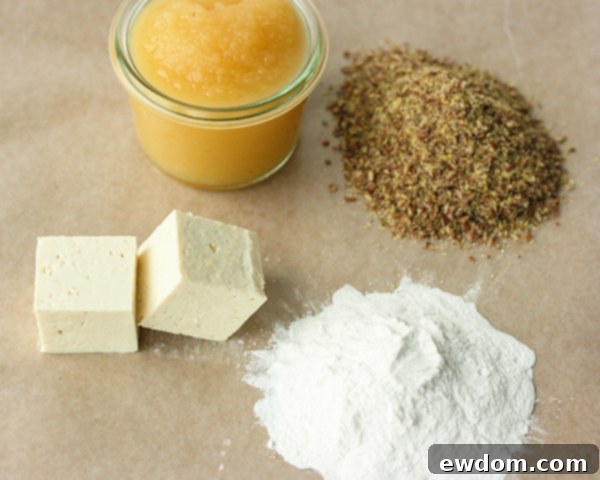
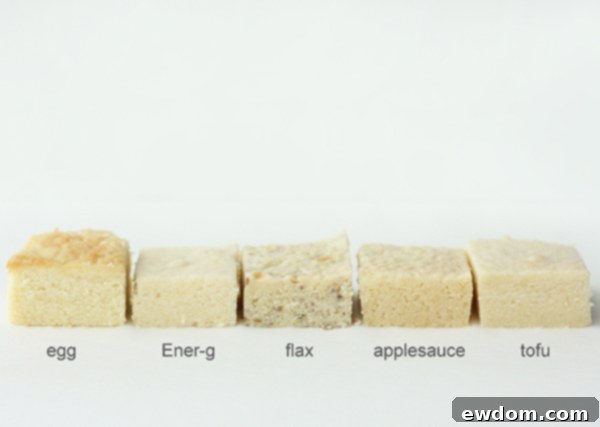
Following these initial experimental phases and recipe refinements, four most promising egg substitutes were selected for head-to-head testing against a control cake containing eggs. Each candidate was incorporated into the improved egg-free recipe, ensuring a consistent base for comparison. The egg substitutes chosen for this comprehensive evaluation included applesauce, flaxseed meal (often referred to as ‘flax egg’), silken tofu, and a commercial product, Ener-G brand Egg Replacer. The goal was to precisely determine which of these widely available alternatives offered the most superior performance in terms of cake texture, rise, flavor, and overall appeal.
The Results Are In: Ranking the Best Egg Substitutes for Cakes
The extensive testing revealed a fundamental truth: while no single ingredient can perfectly replicate the complex array of functions that eggs perform in baking, several products come remarkably close and can yield excellent results with the right understanding and application. One consistent observation across all substitutes was their limited ability to replicate the browning capabilities of eggs. This is primarily due to the absence of the specific proteins required for robust Maillard reactions, which create that desirable golden-brown crust. Similarly, none of the substitutes could entirely mimic the unique flavor profile or the precise structural nuances that eggs provide – however, some did contribute their own pleasant flavors, which can be an advantage depending on the cake’s profile. Here is a detailed breakdown of the tested egg ingredient substitutes, ranked from best to worst, along with an explanation of how each fills the vital roles of eggs in cake recipes.
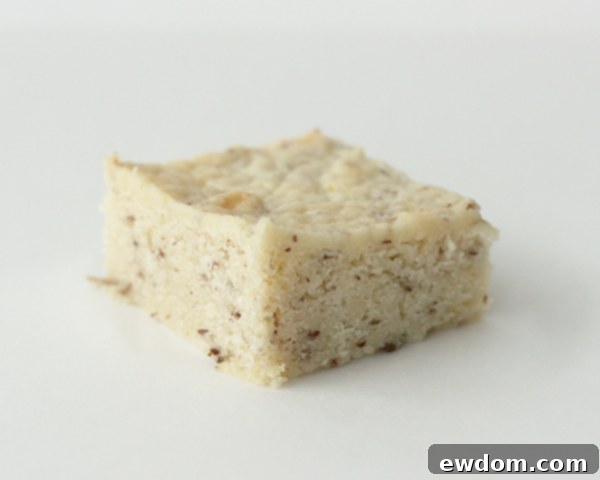
1. Flaxseed Meal (Flax Egg)
Usage: For each egg, combine 1 tablespoon of finely ground flaxseed meal with 3 tablespoons of water. Allow it to sit for 5-10 minutes until a gelatinous consistency forms.
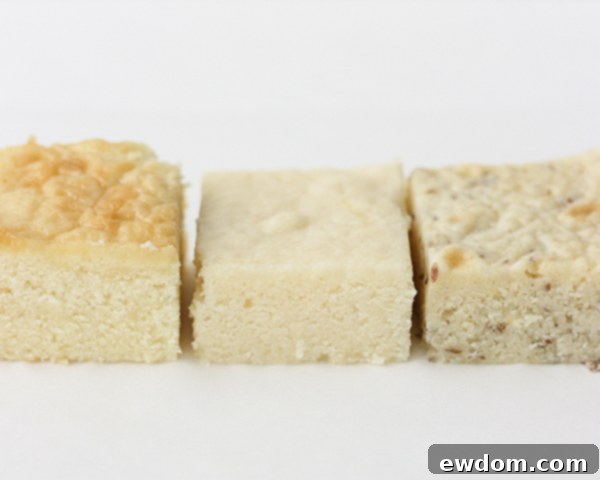
Performance: Flaxseed meal emerged as the top contender in our experiment. This soluble-fiber-rich seed, when combined with water, forms a viscous gel (often called a ‘flax egg’) that excels at thickening and stabilizing emulsions within the cake batter. The high fiber content effectively binds to the added water, providing excellent moisture retention and preventing the cake from drying out. The resulting cake exhibited a moderately light and tender crumb, a texture that was remarkably close to its egg-containing counterpart. Furthermore, the flaxseed imparted a mild, pleasantly nutty, and slightly wheaty flavor, which can be a delightful addition, especially in spice cakes, carrot cakes, or whole-grain-based recipes. Its natural binding properties make it a powerhouse for structure.
Downfall: The primary drawback of flaxseed meal is its tendency to create small, brown flecks throughout the cake. While this may be entirely unnoticeable or even desirable in darker cakes like chocolate or spice cakes, it can be quite obvious and detract from the pristine appearance of a light-colored vanilla or lemon cake. Bakers prioritizing visual uniformity in lighter cakes might need to consider alternatives or embrace the rustic charm of flaxseed flecks.
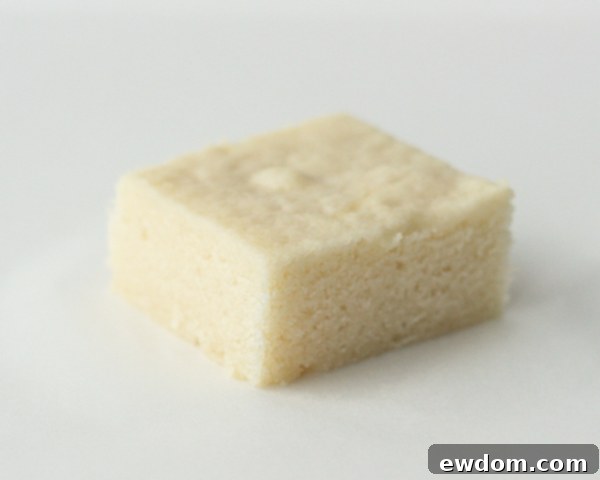
2. Ener-G Egg Replacer
Usage: For each egg, use 1 ½ teaspoons of Ener-G Egg Replacer powder mixed with 2 tablespoons of water, or as per package instructions.
Performance: This commercial product secured a very close second place, showcasing an impressive ability to mimic the structural qualities of eggs. Ener-G Egg Replacer is a carefully formulated blend of starches (like tapioca and potato), leavening agents (such as baking soda and cream of tartar), and soluble fibers (like cellulose gum). The starches contribute significantly to the cake’s structure and stability, while the leavening agents provide crucial lift and aeration, resulting in a cake with good volume. The soluble fibers aid in stabilizing emulsions and effectively holding moisture within the batter. The structure achieved with Ener-G was arguably the most similar to the egg-containing control cake, offering a light and airy crumb.
Downfall: The main challenge with Ener-G Egg Replacer was a distinct paper-like aftertaste, particularly noticeable in the naked cake. This flavor is likely attributable to the tapioca starch content. While its impact might be minimized when used in small quantities or within a heavily frosted or strongly flavored cake, it could be a detractor in delicate vanilla cakes where the flavor profile is more exposed. Careful consideration of flavor pairings is advised when using this commercial option.
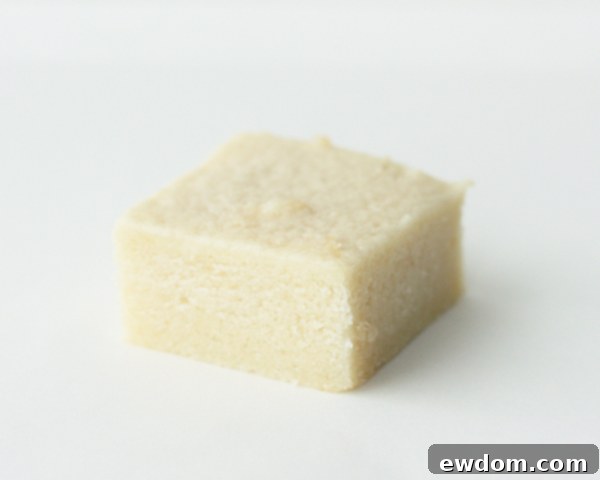
3. Silken Tofu
Usage: For each egg, substitute with ¼ cup of silken tofu, blended until perfectly smooth.
Performance: In theory, the protein content in tofu, particularly soy protein, holds promise for providing binding properties in baked goods. However, in the context of cake baking, our experiment found that silken tofu’s primary contribution was moisture. While it did add some hydration, its ability to contribute to the cake’s structure was limited. The soy protein did not coagulate in the same robust manner as egg protein, resulting in a cake that was noticeably shorter and denser compared to those made with flaxseed meal or Ener-G Egg Replacer. The texture was heavier, lacking the airy lightness often desired in a cake. It also imparted a faint but discernible tofu flavor, which might not be universally appealing in all cake recipes, especially those with delicate flavor profiles. Tofu might be better suited for more robustly flavored cakes or dense desserts like cheesecakes or brownies where its properties align more closely with desired outcomes.
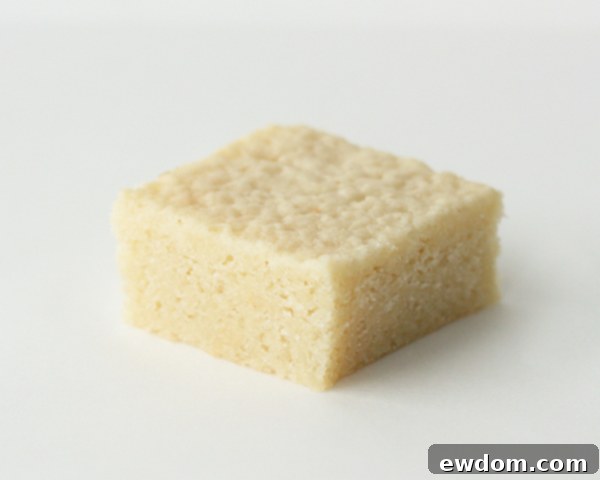
4. Applesauce
Usage: For each egg, use ¼ cup of unsweetened applesauce.
Performance: Applesauce, a cooked fruit puree, is frequently suggested as an egg substitute due to its inherent moisture and pectin content. Pectin is a natural gelling agent that can help stabilize cake structure to a certain extent. However, in our trials, applesauce unfortunately led to a cake with a distinct short and gummy texture. While it certainly provided moisture, it lacked the binding and structural proteins necessary to create a light and tender crumb, resulting in a heavier, somewhat chewy consistency. Furthermore, the strong flavor of applesauce was very evident, making it an unsuitable choice for a basic vanilla cake where the apple notes were distinctly out of place. While applesauce can be excellent in specific applications like apple cakes, muffins, or quick breads where its flavor profile is welcome, it struggles to act as a neutral and effective egg replacement in more versatile cake recipes.
Beyond Substitutes: General Tips for Successful Egg-Free Baking
Our findings underscore that achieving exceptional egg-free cakes often requires a holistic approach, extending beyond just the choice of substitute. The foundational adaptation of incorporating a mix of additional flour and liquid, as demonstrated in our experiments, is paramount for providing the necessary binding and structural support that eggs typically deliver. This ensures a more robust and satisfying cake texture. In conjunction with this crucial recipe mediation, the right egg replacer can significantly contribute to specific qualities, leading to a beautifully baked product.
- Consider the Recipe’s Original Purpose: If the recipe heavily relies on eggs for leavening (e.g., soufflés), a simple substitute might not be enough. Cakes, however, are more adaptable.
- Add Extra Leavening: Many egg substitutes lack the leavening power of eggs. A pinch of extra baking powder or baking soda (often activated by an acidic ingredient like vinegar or lemon juice) can help compensate for lost lift.
- Mind the Fat Content: If your chosen egg substitute is low in fat (like applesauce), consider adding a touch more oil or vegan butter to maintain richness and moisture, preventing a dry cake.
- Adjust Baking Time and Temperature: Egg-free cakes can sometimes bake differently. Keep an eye on the oven; they might require slightly longer or shorter baking times, or a minor temperature adjustment, depending on the substitute.
- Manage Expectations: While modern egg substitutes are excellent, the texture of an egg-free cake may still differ subtly from its traditional counterpart. Embrace these delicious nuances.
For home bakers aiming for a delicious and reasonably effective egg stand-in, flaxseed meal proves to be a fantastic choice, particularly if the presence of small brown flecks in your cake is not a concern. Its pleasant wheaty flavor and excellent binding capabilities make it a versatile option. However, for those prioritizing a visually pristine, light-colored cake without any flecks, Ener-G Egg Replacer may be a better option for structure, though you might need to mask its subtle aftertaste with other strong flavors or a generous layer of frosting. Applesauce and tofu, while not the top performers in terms of mimicking egg functions for a traditional cake, are decent options if they are the only ingredients readily available. They are best suited for recipes where their specific textures and flavors complement the overall dish. We sincerely hope these insights and recommendations empower your egg-free baking efforts, allowing you to create delightful and satisfying cakes for any occasion!
Explore More Baking Science Insights:
YOU MAY ALSO ENJOY:
- Is Butter Really Better?
- Baking Temperature Comparison
- How to Bake with Alcohol
- Can You Overmix a Cake?
- Which Flour Is Best?